
A Comprehensive Guide to Private Blockchain Development for Business Security
Private blockchain represents a transformative force in business operations, further offering enhanced security, efficiency, and transparency.

Blockchain technology has transformed various industries with its unique ability to offer secure, decentralized, and transparent solutions. Among the different types of blockchains, private blockchains have gained attention due to their focus on security and restricted access. This guide explores the concept of private blockchains, how they differ from public blockchains, and the steps involved in developing a secure and efficient private blockchain platform for businesses. We also discuss the potential benefits and real-world use cases of private blockchain development.
What is a Private Blockchain?
A private blockchain is a type of decentralized ledger that is accessible only to a select group of participants. Unlike public blockchains, where anyone can join and participate, private blockchains require authorization or invitations to access and contribute to the network. This controlled access makes private blockchains an attractive option for businesses seeking enhanced security and confidentiality in their operations.
Private blockchains are often managed centrally by a single entity or a consortium of trusted parties. This centralized control allows for greater flexibility in terms of network governance and decision-making. It also enables businesses to establish their own rules and protocols, ensuring compliance with industry standards and regulations.
How Are Private and Public Blockchains Different?
The key differences between public and private blockchains lie in their accessibility, control, transparency, and security. Here are the main distinctions between the two:
Accessibility: Public blockchains are open to anyone, allowing users to read, write, and participate in network activities. Private blockchains restrict access to authorized users, requiring permission or invitations to join.
Control: Public blockchains are decentralized, with no single point of control. Private blockchains are centrally managed, allowing the governing entity to control access and make changes to the network.
Transparency: Public blockchains offer complete transparency, with all transactions visible to anyone on the network. Private blockchains have limited visibility, ensuring that only authorized users can view transactions.
Anonymity: Public blockchains allow users to remain anonymous, while private blockchains require participants to verify their identities.
Security: Public blockchains are highly secure due to their decentralized nature and use of cryptography. Private blockchains offer additional security by restricting access to verified users.
How to Create a Private Blockchain Platform
Creating a private blockchain involves several key steps that require technical expertise and a clear understanding of business goals. Here is a step-by-step guide to building a private blockchain platform:
Step 1: Define Business Objectives
Identify the purpose of your private blockchain and determine the goals you aim to achieve. Consider the business processes that could benefit from blockchain technology and the specific features you need to include in the platform.
Step 2: Hire Skilled Blockchain Developers
Developing a private blockchain requires a team of experienced blockchain developers. Look for developers who are familiar with private blockchain development, understand consensus mechanisms, and have experience with smart contracts.
Step 3: Choose the Blockchain Framework
Select a suitable blockchain framework for your private blockchain. Popular frameworks for private blockchain development include Hyperledger Fabric, Corda, and Quorum. The choice of framework depends on factors such as scalability, security, and compatibility with existing systems.
Step 4: Build the Blockchain Infrastructure
Set up the infrastructure for your private blockchain, including nodes, consensus mechanisms, and network protocols. Configure the network to ensure high efficiency and security, and implement strong encryption to protect data.
Step 5: Implement Smart Contracts
Smart contracts automate business processes on the blockchain. Develop and test smart contracts to ensure they work as intended. Smart contracts should be secure, transparent, and capable of executing predefined conditions.
Step 6: Ensure Compliance and Security
Implement measures to ensure compliance with industry regulations and data protection laws. Develop security protocols to safeguard the network from unauthorized access and potential attacks.
Step 7: Conduct Testing and Quality Assurance
Thoroughly test the private blockchain to identify and address any issues. Perform unit tests, integration tests, and security tests to ensure the platform is robust and reliable.
Step 8: Launch and Monitor the Network
Once the private blockchain is fully developed and tested, launch the platform and monitor its performance. Regularly update and maintain the network to address any security vulnerabilities and ensure smooth operation.
Best Practices for Private Blockchain Development
When developing a private blockchain, it’s crucial to follow best practices to ensure the platform’s success:
Utilize Smart Contracts: Smart contracts automate business processes and ensure secure transactions.
Ensure Network Resilience: Implement measures to handle disruptions and ensure high network uptime.
Use Permissioned Networks: Restrict access to authorized users to enhance security and privacy.
Employ Strong Encryption: Protect data with strong encryption techniques to prevent unauthorized access.
Maintain Compliance: Ensure compliance with industry regulations and data protection laws.
Benefits of Private Blockchain for Businesses
Private blockchains offer several advantages for businesses, including enhanced security, data privacy, and improved performance:
More Transparency: Private blockchains improve transparency in business operations by enabling better coordination among participants.
Enhanced Security: The restricted access of private blockchains provides an additional layer of security.
Better Performance: Private blockchains offer faster transaction processing and improved efficiency.
Data Privacy: Businesses can maintain data privacy by controlling who has access to the blockchain network.
Use Cases of Private Blockchain
Private blockchain development has a wide range of applications in various industries:
Financial Services: Private blockchains are used for cross-border payments, settlement processes, and secure data sharing.
Healthcare: Private blockchains enable secure sharing of patient data and improve interoperability.
Real Estate: Private blockchains streamline property transactions and enhance property management.
Insurance: Private blockchains automate claims processing and improve fraud detection.
Supply Chain Management: Private blockchains ensure traceability of goods and reduce instances of fraud.
In conclusion, private blockchain development is a powerful solution for businesses seeking enhanced security and efficiency in their operations. By implementing a private blockchain platform, organizations can benefit from improved transparency, data privacy, and faster transactions, while ensuring compliance with industry standards. Hire leading blockchain developers to implement private blockchain platform easily.
About the Creator
Sumit Chauhan
I'm Sumit Chauhan, a dedicated tech enthusiast with a keen interest in exploring the realms of mobile app development across Android and iOS platforms.
Keep reading
More stories from Sumit Chauhan and writers in 01 and other communities.
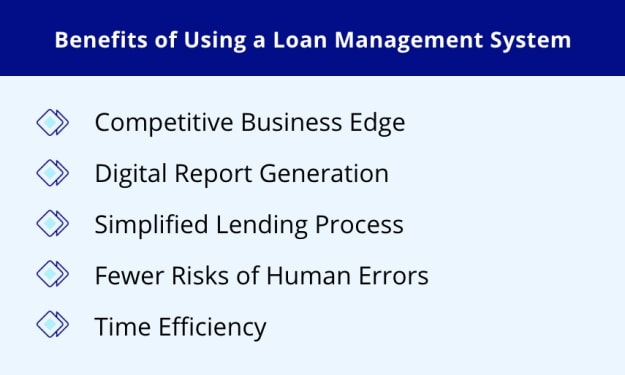
How to Build a Comprehensive Loan Management System
The financial industry has undergone a significant transformation with the adoption of technology to streamline operations and enhance customer experiences. Loan management systems (LMS) are a key component of this digital evolution, enabling lenders to manage loans efficiently while providing borrowers with a seamless experience. This article explores what a loan management system is, the essential features it should have, and why financial institutions need such systems. We’ll also discuss the complete loan management process and how to build a robust system.
By Sumit Chauhan2 years ago in 01
Soundtrack of a City: How Local Music Scenes Reveal the True Soul of a Destination
Music as a Cultural Language Every city has a sound. Long before you understand its history or customs, you can often feel its spirit through the music that fills its streets, clubs, and neighborhoods. Local music scenes act as a living language, expressing everything from struggle and celebration to identity and pride. When you travel, listening to that soundtrack gives you access to emotions and stories that guidebooks can never fully explain.
By Devon Alexis7 days ago in 01
Outlook Account Hack: Complete Guide to Crack a Password
The Reality of Email Account Vulnerabilities Microsoft Outlook accounts represent more than just email inboxes—they serve as gateways to personal data, professional communications, and often as single sign-on keys to numerous other services. With over 400 million active users worldwide, Outlook has become a prime target for cybercriminals employing increasingly sophisticated methods. This comprehensive guide examines the legitimate security landscape, revealing how attackers exploit vulnerabilities while providing actionable strategies to fortify your digital identity. Understanding these threats isn't about enabling malicious behavior—it's about empowering users and administrators with the knowledge needed to build impenetrable defenses in an era where email security is paramount to both personal privacy and organizational integrity.
By Alexander Hoffmann5 days ago in 01


Comments
There are no comments for this story
Be the first to respond and start the conversation.