
When Was Padmanabhaswamy Temple Built?
A Glimpse into Its History

Introduction
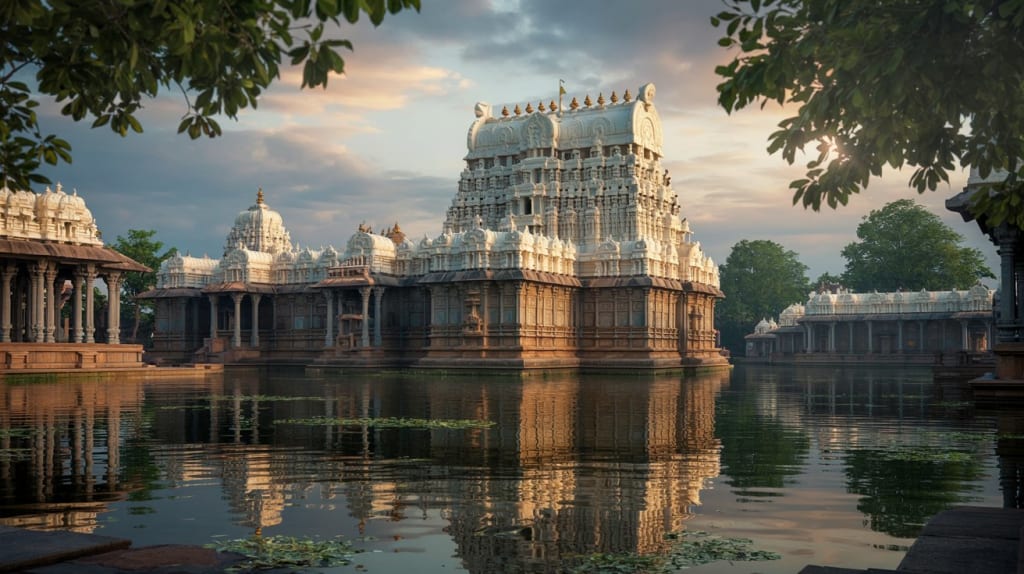
Padmanabhaswamy Temple, one of the most revered Hindu temples, is renowned for its architectural grandeur and immense spiritual significance. Located in Thiruvananthapuram, Kerala, this temple is dedicated to Lord Vishnu and holds the title of the richest temple in the world due to its hidden treasures. But when was the Padmanabhaswamy Temple built? Let’s explore its fascinating history, architectural evolution, and cultural importance.
The Ancient Origins of Padmanabhaswamy Temple
The exact date of the temple’s origin remains uncertain, but historical records and legends trace its existence back to the 8th century CE. The temple finds mention in ancient Tamil literature, including the Sangam period texts (3rd century BCE – 3rd century CE), which reference a Vishnu temple in Ananthankadu, believed to be present-day Thiruvananthapuram.
Contributions by the Chera and Pandya Dynasties
During the early medieval period, the Chera and Pandya dynasties played a significant role in expanding and renovating the temple. The architectural style of the temple, showcasing intricate Dravidian craftsmanship, indicates influences from these ruling dynasties.
The Travancore Kingdom and the Temple’s Transformation
The most significant transformation of the Padmanabhaswamy Temple occurred under the rule of the Travancore Kings, particularly Maharaja Marthanda Varma (1706–1758 CE). He undertook extensive renovations, including the construction of the majestic gopuram (gateway tower) and the temple’s iconic sanctum sanctorum.
In 1750 CE, Marthanda Varma dedicated his kingdom to Lord Padmanabhaswamy, declaring himself as the Padmanabha Dasa (servant of the deity). This divine proclamation ensured that the temple remained under royal patronage, with the Travancore royal family continuing to oversee its administration.
Architectural Marvels and Unique Features
The temple stands as a fine example of Dravidian and Kerala-style architecture. Some of its striking features include:
- The 18-feet-long reclining deity: The main deity, Lord Vishnu, is in Anantha Shayana (reclining posture) on Adishesha, the serpent.
- The Golden Gopuram: A seven-tiered structure, reflecting the temple’s opulence.
- Intricate murals and sculptures: Depicting various mythological themes from Hindu epics.
- The Mysterious Vaults: The temple’s underground chambers (Vault B, in particular) have captivated the world with their hidden treasures.
Historical Significance and Cultural Impact
The Padmanabhaswamy Temple is more than just a place of worship; it holds immense historical and cultural value. The temple was a key center for Vedic learning, artistic patronage, and religious traditions in South India. It continues to attract millions of devotees and tourists who marvel at its heritage.
Conclusion
So, when was the Padmanabhaswamy Temple built? While its origins trace back to at least the 8th century CE, its present structure and grandeur were shaped by centuries of devotion and royal patronage. The temple stands as a timeless symbol of spirituality, architectural brilliance, and cultural legacy.
This blog offically published on "Padmanabhaswamy Temple Arattu 2024 Date: The Kerala Temple Festival"
About the Creator
Sujit Kumar
Welcome to “Blogs Historical,” where the past comes alive through the power of storytelling. Delve into the annals of history with us as we explore captivating narratives, intriguing anecdotes, and insightful analyses of the events,
Keep reading
More stories from Sujit Kumar and writers in Writers and other communities.
How to Protect Hair from Holi Colours
How to Protect Hair from Holi Colours Holi, the festival of colors, is a joyful celebration filled with fun, laughter, and vibrant hues. However, the synthetic chemicals in Holi colors can cause dryness, frizz, and damage to your hair. Protecting your hair from harmful colors is essential to maintain its health and shine.
By Sujit Kumar11 months ago in Writers
15 Creative Marketing Ideas That Still Work in 2026
Marketing trends change every year, but effective marketing principles rarely disappear. As we move deeper into 2026, audiences are more informed, more selective, and more resistant to empty advertising than ever before. This doesn’t mean marketing is harder — it simply means it needs to be more thoughtful, creative, and human.
By Jhones Benn5 days ago in Writers
Autonomy Is The Real Privilege
Good morning, freedom-seekers! Today we’re gonna be looking at autonomy. A strange word, I know; one many would probably look at blankly and run away from on sight. We’re gonna figure out what it actually means, consider how it’s achieved, and decipher just how deeply most of us are tangled up in dependence without realising it.
By That ‘Freedom’ Guy5 days ago in Humans



Comments
There are no comments for this story
Be the first to respond and start the conversation.