
What to Look for When Picking Engineered Hardwood Flooring?
Key Factors to Consider for the Perfect Engineered Hardwood Floor
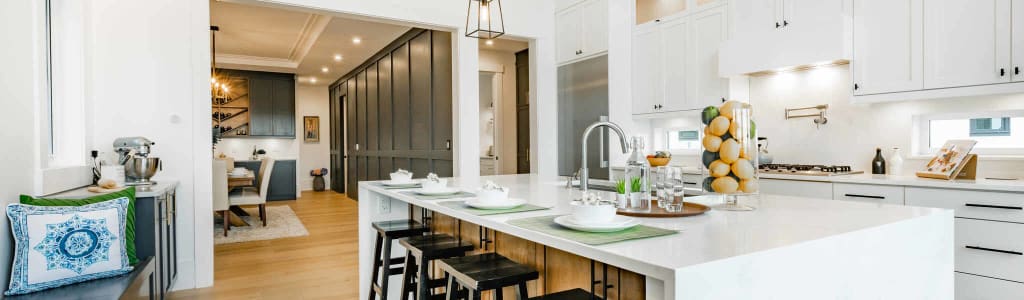
Hardwood flooring is not only a great option that adds looks to any room but also add its resale value. It can be your best option if you are considering to replace your current flooring. It adds blend of durability and affordability and that’s is what makes it an ideal option for modern homes.
In this post, we will explore how to choose the best-engineered hardwood flooring for your home and answer the common question: What is the best-engineered hardwood flooring? Read on to discover everything you need to know about making the right choice.
What Is Engineered Hardwood Flooring?
Engineered hardwood flooring is a kind of wood flooring that resembles solid hardwood but is actually composed of layers of wood pressed together. It is essential to understand what engineered hardwood flooring actually is before diving into the specifics of choosing the best flooring for your home.
Engineered hardwood is composed of multiple layers unlike solid hardwood. The top layer is a thin veneer of natural hardwood, while the underlying layers are made of plywood or high-density fiberboard (HDF). This construction gives engineered hardwood excellent stability, especially in areas where moisture or humidity levels fluctuate.
One of the key things about engineered hardwood flooring is that it can look and feel just like solid hardwood, but at a more affordable price.
Factors to Consider When Choosing Engineered Hardwood Flooring
1. Thickness: Why It Matters
The thickness of your engineered hardwood flooring is really important for how long it lasts. Engineered hardwood thickness can be anywhere from 3/8 inch to 3/4 inch thick as a general rule. The wear layer is the top layer of real hardwood and it usually ranges from 1mm to 6mm.
Opt for a thicker wear layer if you are looking for flooring that can handle high foot traffic or can be refinished multiple times. A thicker wear just like solid hardwood layer ensures the longevity of your floors and gives you the ability to sand and refinish them a couple of times. On the other hand, if you are installing flooring in a low-traffic area, such as a guest bedroom, a thinner wear layer will suffice.
2. Installation Options: Seamless and Efficient
One of the main factors you also need to consider is the installation method. Engineered hardwood offers a variety of installation methods, making it a flexible choice for any home. You can opt for:
• Click-lock installation
• Glue-down installation
• Floating floor installation
Your choice of installation method will depend on your budget and the specific area where the flooring will be installed. Consult with a professional installer who can guide you through the process if you are unsure which option is best for your home.
3. Surface Finishes and Textures:
The finish is just as important as the wood itself when choosing engineered hardwood flooring. Finishes can change how the flooring looks and feels a lot. There are different options like matte, satin, and gloss finishes and each one gives the floor a unique look.
You should choose a matte finish if you want a natural and rustic vibe. A gloss finish will make your space look polished and sophisticated. You can also think about textured options like wire-brushed or hand-scraped finishes because they add character and depth to your floors.
4. Durability:
Durability is a crucial aspect that can help you select the best-engineered hardwood flooring for your home. Higher-quality engineered hardwood is designed to withstand heavy foot traffic and temperature changes. High-pressure engineered wood is the most durable, while direct-pressure wood offers good durability at a lower cost.
Choose the most durable option available if you have pets or high-traffic areas like hallways or kitchens. Hickory and oak species are known for their resilience, which makes them popular choices for homeowners seeking durability. When you are asking what the best brand of engineered hardwood flooring is, consider brands that offer durable solutions with strong warranties
5. Width and Plank Size:
Engineered hardwood flooring is available in different plank widths ranging from narrow strips to wide planks. Wider planks create an open and expansive feel, while narrow planks can make a space feel cozy and structured. You can choose planks that are 3 inches to 7 inches wide based on the size of your room and your personal style. Wide planks are often preferred for a modern and luxurious look, but narrower planks might be better for traditional or smaller rooms because they provide better visual balance.
6. Color and Species:
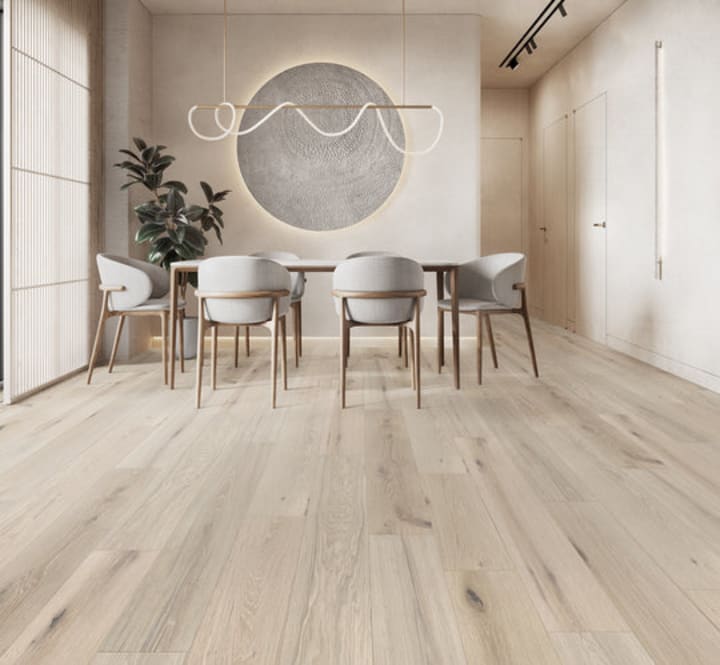
One of the most exciting parts of choosing engineered hardwood flooring is selecting the wood species and color that suits your home. Oak is the most popular species due to its durability and timeless appeal, but there are other great options like maple, hickory, and walnut.Engineered hardwood flooring offers endless possibilities when it comes to color.
Conclusion:
Choosing the best-engineered hardwood flooring can feel overwhelming with the wide variety of options available. Remember, investing in high-quality engineered hardwood not only improves the look of your home but also increases its resale value. So, when you are wondering what is the best brand of engineered hardwood floor , look for brands that offer a balance of affordability, durability, and design. Make sure to consult with professionals and visit showrooms to get a feel for your options before making the final decision.
About the Creator
Harper Floors
Harper Floors: Your Go-To Online Flooring Boutique for Professionals and DIY Renovators, Offering Factory Direct Floors and Expert Support Every Step of the Way.
Keep reading
More stories from Harper Floors and writers in Writers and other communities.
Engineered Hardwood Flooring Vs. Solid Hardwood Flooring Vs. Luxury Vinyl Flooring: What's the Difference?
Choosing the right flooring is a big decision for homeowners because it affects both the look and function of a space. buy from harper floors Among the popular options are engineered hardwood flooring, solid hardwood flooring and luxury vinyl flooring. Each of these choices has its own set of benefits and drawbacks which makes them good for different needs budgets and preferences. This article will explain the differences between these three flooring types so you can make an informed choice for your home.
By Harper Floorsabout a year ago in Writers


Comments
There are no comments for this story
Be the first to respond and start the conversation.