
What Techniques Are Used to Analyze Membrane Parameters
Permionics
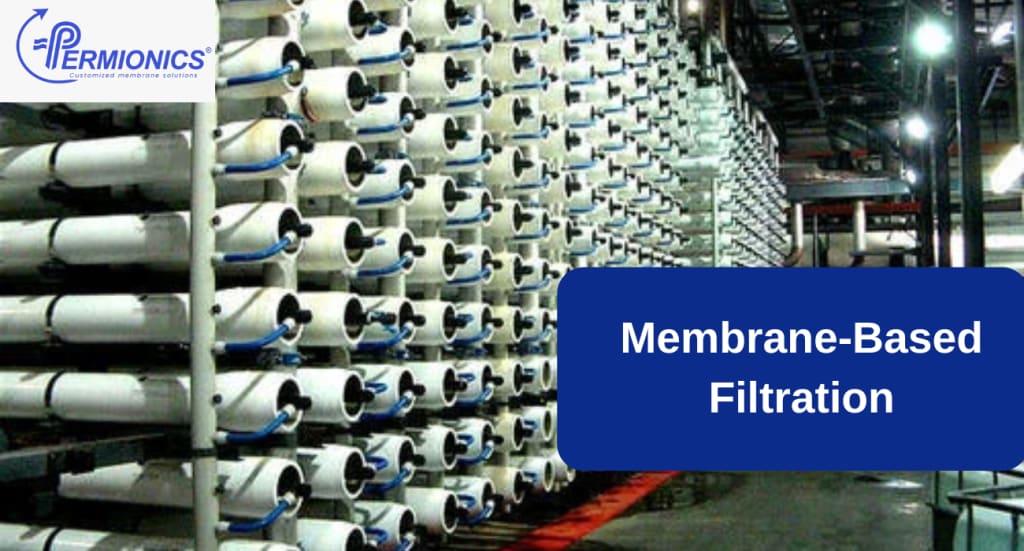
Membrane-based filtration is a crucial technology used across various industries such as water treatment, food processing, pharmaceuticals, and environmental protection. To ensure optimal performance, it is essential to analyze the properties and parameters of membranes, such as pore size, material composition, and functional groups. This blog will guide you through the most effective techniques used to characterize membranes, ensuring they meet the demands of modern filtration systems.
Importance of Membrane Analysis
In membrane-based filtration, the efficiency of the system depends heavily on the quality and characteristics of the membrane. Parameters like pore size, surface morphology, and chemical composition directly influence the separation efficiency, permeability, and lifespan of the membrane. Accurate analysis helps in selecting the right membrane for specific applications and in improving their design.
Key Techniques for Membrane Analysis
Scanning Electron Microscopy (SEM)
SEM is widely used to study the surface structure and pore size of membranes. By producing high-resolution images, it allows researchers to observe the uniformity of pores and detect any defects. This information is critical for improving the performance of membrane-based filtration systems.
Transmission Electron Microscopy (TEM)
TEM goes a step further by providing insights into the internal structure of membranes. It is particularly useful for studying ultrathin or dense membranes, which are common in advanced filtration applications.
Fourier Transform Infrared Spectroscopy (FTIR)
FTIR helps in identifying the chemical composition and functional groups present in a membrane. This technique is valuable for understanding how membranes interact with different substances during filtration.
X-ray Diffraction (XRD)
XRD is used to analyze the crystalline structure of membrane materials. This is important for membranes used in high-performance applications, as their structure affects durability and separation efficiency.
Liquid-Liquid Displacement Porosimetry
This technique measures the pore size distribution of membranes by observing how liquids interact with the pores. It is particularly effective for analyzing membranes used in microfiltration and ultrafiltration.
Applications of Membrane Characterization
Membrane-based filtration is not a one-size-fits-all solution. Different industries have unique requirements:
Water Treatment: Accurate pore size measurement ensures effective removal of contaminants.
Pharmaceuticals: Chemical composition analysis guarantees compatibility with sensitive compounds.
Food Industry: Surface analysis prevents fouling and ensures hygienic processing.
Conclusion
The success of membrane-based filtration depends on the precise characterization of membranes. Techniques like SEM, TEM, FTIR, XRD, and porosimetry provide invaluable insights into their properties, ensuring that they meet the requirements of various industries. By analyzing membrane parameters, we can enhance filtration efficiency, reduce costs, and contribute to sustainable practices.
About the Creator
Keep reading
More stories from Permionics and writers in Writers and other communities.
What Are the Basics of Ultrafiltration Membrane and How Is It Helpful?
Choosing the right ultrafiltration membrane system is essential for achieving efficient water treatment and ensuring high-quality results. Ultrafiltration (UF) is a filtration process that uses semi-permeable membranes to separate fine particles, bacteria, viruses, and even dissolved macromolecules from water. Below, we’ll discuss the basics of ultrafiltration membranes and explore how they can benefit your water treatment needs.
By Permionicsabout a year ago in Writers
Why Australia’s New Psychosocial Safety Laws Are Forcing Employers to Rethink Workplace Risk
Australia has quietly entered a new era of workplace regulation, one where psychological health is no longer treated as a secondary wellbeing concern, but as a formal safety obligation equivalent to physical hazards. This shift represents one of the most significant changes to occupational health and safety governance in decades.
By Abbasi Publisher4 days ago in Writers



Comments
There are no comments for this story
Be the first to respond and start the conversation.