
What Are the Basics of Ultrafiltration Membrane and How Is It Helpful?
Permionics
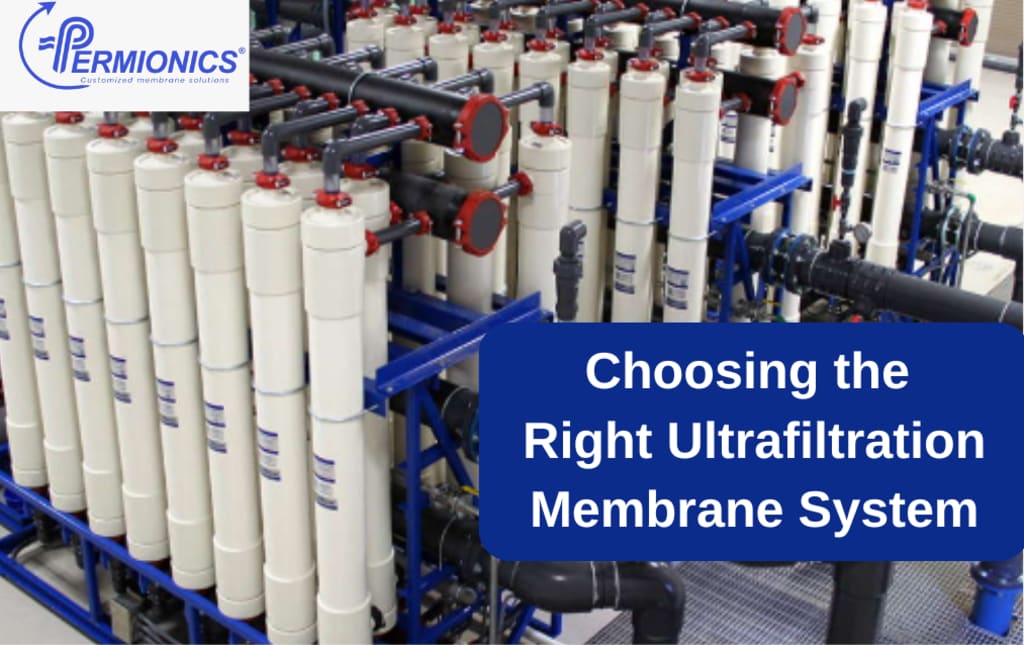
Choosing the right ultrafiltration membrane system is essential for achieving efficient water treatment and ensuring high-quality results. Ultrafiltration (UF) is a filtration process that uses semi-permeable membranes to separate fine particles, bacteria, viruses, and even dissolved macromolecules from water. Below, we’ll discuss the basics of ultrafiltration membranes and explore how they can benefit your water treatment needs.
Understanding Ultrafiltration Membranes
Ultrafiltration membranes are designed to allow water and small solutes to pass through while retaining larger particles, microorganisms, and suspended solids. These membranes typically have pore sizes ranging from 0.01 to 0.1 microns, making them highly effective for filtration.
Materials Used: UF membranes are commonly made from polymers such as polysulfone or polyvinylidene fluoride (PVDF), ensuring durability and efficiency.
Working Principle: Water is forced through the membrane under pressure, leaving contaminants behind, resulting in clean and safe water.
Types of Ultrafiltration Membrane Systems
When choosing the right ultrafiltration membrane system, it’s important to consider the type of system that fits your needs. Some common types include:
Hollow Fiber Membranes: These are flexible and widely used in industrial and municipal applications.
Plate-and-Frame Membranes: These systems are ideal for smaller-scale applications with low water volumes.
Tubular Membranes: Suitable for treating water with high solid content.
How Ultrafiltration Membranes Are Helpful
The benefits of ultrafiltration membranes go beyond just water purification. Here’s how they help:
High Filtration Efficiency: Removes up to 99.99% of bacteria, viruses, and particles.
Environmentally Friendly: Reduces the need for chemicals in water treatment processes.
Cost-Effective: Minimizes water wastage and operational costs compared to other filtration methods.
Versatile Applications: Used in drinking water systems, wastewater treatment, food and beverage industries, and pharmaceuticals.
Tips for Choosing the Right Ultrafiltration Membrane System
Understand Your Requirements: Evaluate the quality of water you need and the contaminants you aim to remove.
Capacity Needs: Choose a system that meets your volume and flow rate demands.
Maintenance and Durability: Opt for systems with low maintenance requirements and high durability.
Cost Efficiency: Ensure the system offers long-term cost benefits without compromising performance.
Final Thoughts
Choosing the right ultrafiltration membrane system can significantly improve water quality and ensure the safety of your water supply. Ultrafiltration membranes are reliable, efficient, and eco-friendly, making them an excellent choice for modern water treatment.
By understanding the basics and evaluating your specific needs, you can find the perfect system that aligns with your goals. Don’t compromise on water quality—invest in an ultrafiltration membrane system that delivers results.
About the Creator
Keep reading
More stories from Permionics and writers in Writers and other communities.
What Techniques Are Used to Analyze Membrane Parameters
Membrane-based filtration is a crucial technology used across various industries such as water treatment, food processing, pharmaceuticals, and environmental protection. To ensure optimal performance, it is essential to analyze the properties and parameters of membranes, such as pore size, material composition, and functional groups. This blog will guide you through the most effective techniques used to characterize membranes, ensuring they meet the demands of modern filtration systems.
By Permionicsabout a year ago in Writers
🅼🅸🅳🅽🅸🅶🅷🆃 🆂🅽🅰🅲🅺🆂
"It's 10 in Tuscon! We all know what that means... It's Time for Midnight Snacks with your man, Gerald Gee! Ready to spend the night together? Me too! I'm full of snacks and can't wait to regurgitate them all back into your hungry ears. Crack a brew! Pop some corn! Anything to get ready for one hell of a show where the talk maybe cheap but the words cut deep...
By Lamar Wiggins5 days ago in Fiction




Comments (1)
nice