
What Makes it Truly Tupelo? Identifying Authentic Characteristics
Tupelo Honey guide for organic shoppers: origins, myths debunked, authentic traits, US organic certification challenges, and buying tips.

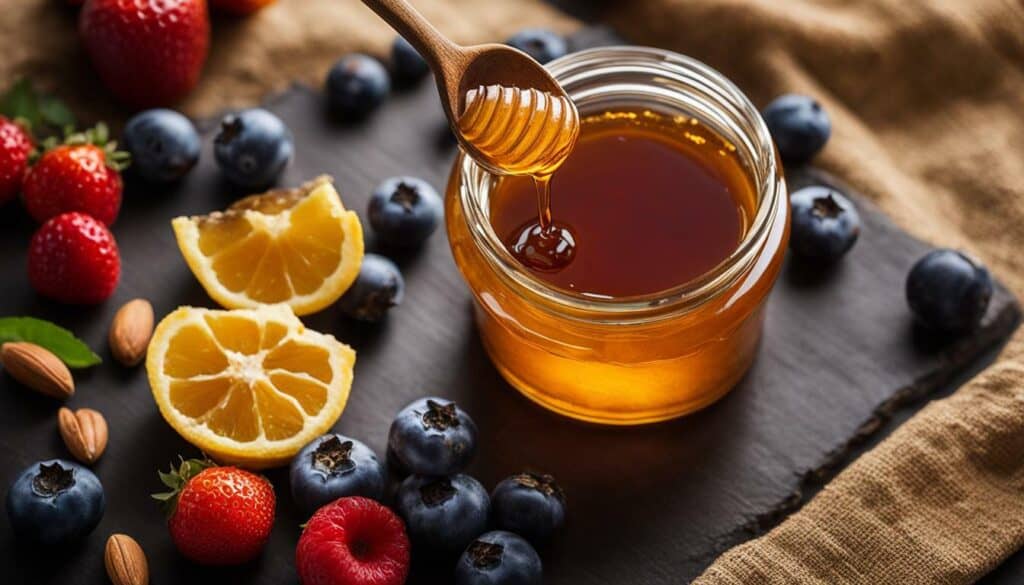
The allure of Tupelo Honey is undeniable. Often whispered about for its rarity and distinctive character, this honey holds a special place in the pantheon of natural sweeteners. Its reputation is further sweetened by cultural nods, such as Van Morrison's iconic song, making it a sought-after delicacy for those with discerning palates. For organic shoppers, however, the interest goes beyond mere taste. There's a desire to understand the provenance, authenticity, and ethical sourcing of this premium honey. This report aims to unravel the mysteries surrounding Tupelo Honey, providing a comprehensive guide that addresses the specific concerns and questions of the organic consumer, from its unique origins and defining characteristics to debunking common myths and navigating the complexities of organic certifications.
The Tupelo Tree's Tale: Unraveling the Origins
Authentic Tupelo Honey is a product of a very specific geographical area within the southeastern United States. Its primary heartland lies in the swampy river basins of Northwest Florida, particularly along the Apalachicola, Chipola, and Ochlockonee rivers, and extends into Southern Georgia, encompassing the Okefenokee Wildlife Refuge. This region, part of the unique Southern Cypress Swamp ecosystem, provides the ideal environment for the specific tree that gives this honey its name.
The star of this sweet story is the White Ogeechee Tupelo tree (Nyssa ogeche). This particular species is the primary nectar source for the bees that produce the most prized Tupelo Honey. Also known as the White Gum Tupelo and Ogeechee Lime, this tree thrives in the wet, humid conditions of the southeastern swamps. What makes the harvest of this exceptional honey so unique is the fleeting nature of the White Ogeechee Tupelo's bloom. Typically lasting only about ten days to three weeks in the spring, usually from late April to early May, this short window requires beekeepers to possess precise timing and considerable expertise to capture the nectar at its peak.
The significance of Tupelo Honey in this region stretches back centuries. It was once an under-the-radar delicacy enjoyed primarily in the areas where the Tupelo trees flourished. Over time, it has gained wider recognition, even being listed in the International Ark of Taste, highlighting its cultural and historical link to this specific area. The limited geographical origin and the short blooming period naturally contribute to the rarity and higher value of authentic Tupelo Honey, factors that are important considerations for organic shoppers seeking high-quality, unique products. The dependence on the delicate swamp ecosystem also suggests a vulnerability to environmental shifts, a point that often resonates with environmentally conscious consumers.
Separating Fact from Fiction: Debunking Tupelo Honey Myths
Like any product with a distinct reputation, Tupelo Honey has its share of circulating myths and misconceptions. For organic shoppers striving for accurate information, it's crucial to separate fact from fiction.
One common point of confusion revolves around the color of honey. While some might believe darker honey signifies higher quality, authentic Tupelo Honey is known for its light, golden amber hue, often exhibiting a subtle greenish cast when held up to the light. This greenish tint is a natural characteristic derived from the tupelo pollen. Therefore, a lighter color in Tupelo Honey is not a sign of inferiority but rather an indicator of its genuine nature.
Another significant myth pertains to crystallization. Many assume that crystallized honey has spoiled. However, this is a natural process for most types of honey. What sets genuine Tupelo Honey apart is its remarkable resistance to crystallization. This is due to its naturally high fructose-to-glucose ratio, which allows it to remain in a liquid state for extended periods, sometimes even years. This characteristic is a key differentiator and a sign of authentic, high-quality Tupelo Honey.
There's also a fascinating, albeit inaccurate, tale about the origin of the White Tupelo Gum tree. A myth suggests it was imported from Asia, perhaps even brought over by a missionary who tasted Tupelo Honey in China. However, scientific evidence and etymological roots reveal that the Tupelo tree is indeed native to the southeastern United States. The very name "tupelo" is derived from two Creek words, "ito" meaning tree and "opilwa" meaning swamp, underscoring its indigenous connection to the region.
Finally, the term "pure" often comes into play when discussing single-source honeys. While Tupelo Honey is primarily derived from the nectar of the White Ogeechee Tupelo tree, it's important to understand that bees may still collect nectar from other available sources within their foraging range. Therefore, labeling should ideally state "Tupelo Honey" to indicate the dominant nectar source, rather than "Pure Tupelo Honey," which could be misleading as it's nearly impossible for bees to exclusively forage from a single type of flower.
- Myth: Darker color means higher quality.
Fact: Authentic Tupelo Honey is light amber with a greenish tint.
- Myth: Crystallized honey is spoiled.
Fact: Crystallization is natural for most honeys, but pure Tupelo Honey is resistant to it.
- Myth: Tupelo tree originated in Asia.
Fact: The Tupelo tree is native to the US Southeast.
- Myth: "Pure Tupelo Honey" guarantees 100% single-source nectar.
Fact: Bees may forage from other sources; "Tupelo Honey" indicates the dominant nectar source.
What Makes it Truly Tupelo? Identifying Authentic Characteristics
For organic shoppers seeking genuine Tupelo Honey, understanding its key characteristics is paramount. These distinguishing features encompass visual cues, olfactory notes, gustatory experiences, and even scientific markers.
Visually, authentic Tupelo Honey presents a light amber color, often with a subtle yet distinctive greenish tint when held up to the light. This slight green hue is a natural result of the presence of tupelo pollen in the raw honey.
The aroma and flavor profile of Tupelo Honey are equally unique. It is renowned for its delicate, buttery sweetness, often accompanied by subtle hints of cinnamon and a light, fragrant floral essence. Some may also detect a juicy, fruity undertone, reminiscent of peaches. The fragrance is typically warm and floral, sometimes carrying a whisper of cinnamon. This combination creates a mild and appealing taste that is often described as refined and not overly sweet.
A crucial factor contributing to Tupelo Honey's unique properties is its high fructose-to-glucose ratio. This specific sugar composition is the primary reason for its slow rate of crystallization. It also results in a sweetness that is often perceived as less intense compared to honeys with a higher glucose content. Some studies even suggest that due to its higher fructose content, Tupelo Honey may be a suitable alternative sweetener for some individuals with diabetes, though consultation with a physician is always recommended.
Perhaps the most definitive way to identify authentic Tupelo Honey is through pollen analysis. This scientific method examines the pollen content of the honey to determine its floral source. Genuine Tupelo Honey will exhibit a high percentage of pollen from the White Ogeechee Tupelo tree, ideally exceeding 50% and sometimes reaching as high as 95%. In Florida, honey can even be certified based on pollen analysis to verify its Tupelo origin. For organic shoppers seeking assurance of authenticity, looking for honey that has undergone pollen analysis and indicates a high percentage of White Ogeechee Tupelo pollen is a wise step.
- Color: Light amber with a subtle greenish tint.
- Aroma: Warm, floral, sometimes with hints of cinnamon.
- Flavor: Buttery, mild sweetness with floral notes, potentially with hints of cinnamon and fruit (like peach).
- Crystallization: Resistant due to high fructose-to-glucose ratio.
- Key Indicator: Pollen analysis showing a high percentage of White Ogeechee Tupelo pollen (ideally >50%).
Beyond the Label: Factors Influencing Quality and Authenticity
While understanding the inherent characteristics of Tupelo Honey is important, organic shoppers should also be aware of factors that can influence its quality and authenticity.
One significant factor is the potential for blending. Due to its higher value, Tupelo Honey can sometimes be mixed with other, less expensive honeys to increase volume. This blending can dilute the unique characteristics of pure Tupelo Honey, affecting its flavor, aroma, and resistance to crystallization. Reputable beekeepers who aim to produce high-quality, unmixed Tupelo Honey take specific precautions. This includes stripping the bee colonies of any existing honey stores just before the White Tupelo trees begin to bloom. By providing the bees with clean combs, they ensure that the newly collected nectar is predominantly from the Tupelo blossoms. The honey is then harvested promptly after the bloom to prevent it from being mixed with nectar from other floral sources that may become available later in the season.
Harvesting practices also play a crucial role in maintaining the quality of Tupelo Honey. Many dedicated producers still employ traditional, hands-on methods, such as manual extraction. They also prioritize minimal processing, often simply straining the honey through cheesecloth to remove larger particles while preserving its natural enzymes, pollen, and delicate flavors. Excessive heating during processing can degrade these beneficial components and alter the honey's taste. Organic shoppers often value minimally processed foods, making these gentle harvesting techniques a positive indicator of quality.
The health of the Tupelo tree groves and the surrounding environment are intrinsically linked to the quality and availability of authentic Tupelo Honey. These trees thrive in specific wetland conditions, and maintaining the ecological balance of these areas is vital for ensuring consistent and high-quality nectar production. Environmental factors, such as changes in weather patterns, can impact the blooming period and the overall honey yield, making bountiful harvests increasingly challenging.
Finally, organic shoppers should be aware of the practice of selling what is sometimes referred to as "bakery honey" under the label of Tupelo Honey. This lower-grade honey often comes from other plants that bloom before or after the White Tupelo, such as Black Tupelo, Ti-Ti, or Willow. While these honeys may be light in color, they typically have a less desirable flavor profile and are prone to crystallization. Unscrupulous sellers might market these as Tupelo Honey at a premium price, taking advantage of consumer unfamiliarity. Therefore, looking for the specific characteristics of White Ogeechee Tupelo Honey is essential.
The Organic Question: What Should Organic Shoppers Look For?
For organic shoppers, the quest for Tupelo Honey often extends to whether it can be found in an organic form. Navigating the landscape of organic honey certification in the United States, however, can be complex due to the absence of specific USDA organic standards for honey. While the National Organic Standards Board (NOSB) did make recommendations for organic apiculture standards in 2010, these were never formally adopted by the USDA.
A significant challenge in achieving true organic certification for honey in the US stems from the natural foraging behavior of bees. They can travel up to 3 to 5 miles from their hives in search of nectar. Ensuring that the entire foraging area within this radius is free from synthetic pesticides, herbicides, and genetically modified crops is practically impossible in most regions with mixed agricultural or wild landscapes.
Despite the lack of specific federal standards, some independent certifying agencies within the US may certify honey as organic based on their own criteria, often aligning with international organic standards, such as those of the European Union, Canada, or the United Kingdom. These international standards typically have stricter requirements regarding the location of hives within designated organic zones and the management practices of beekeepers. Organic shoppers might encounter certifications from organizations like Quality Assurance International (QAI) on some honey products.
It's important to distinguish between "raw" honey and "organic" honey. "Raw" typically refers to honey that has not been heated above a certain temperature (usually around 110°F) during extraction and has undergone minimal processing, thus retaining its natural enzymes and pollen. While raw honey can be produced following organic practices, it is not automatically certified organic unless it meets the specific standards of a recognized certification body.
Given the complexities surrounding organic certification for honey in the US, organic shoppers may find it more beneficial to prioritize transparency and build trust with producers. Seeking out producers who provide detailed information about their beekeeping practices, the specific harvest location (ideally within the recognized Tupelo regions of Florida and Georgia), and ideally, results from pollen analysis, can be more informative than relying solely on a US "organic" label. Supporting local beekeepers and engaging with them directly about their methods can also provide valuable insights. Ultimately, a holistic approach that considers the characteristics of authentic Tupelo Honey, the transparency of the producer, and any available third-party certifications (whether domestic or international) is the most effective way for organic shoppers to make informed purchasing decisions.
A Symphony of Flavors: Understanding the Taste and Aroma
The unique appeal of Tupelo Honey lies not just in its rarity but also in its distinctive flavor and aroma. For organic shoppers who appreciate the nuances of natural foods, understanding this sensory profile is key to recognizing and enjoying authentic Tupelo Honey.
The flavor of genuine Tupelo Honey is often described as a delicate balance of sweetness with a remarkably smooth, buttery undertone. This sweetness is typically mild and refined, lacking the sometimes overpowering intensity found in other honey varieties. Subtle hints of cinnamon often weave through the buttery notes, adding a touch of warmth and spice.
Adding to this complex profile are light, fragrant floral undertones, directly reflecting the nectar source of the White Ogeechee Tupelo blossoms. Some palates may also detect a subtle fruity note, with some describing a hint of peach in the finish. The overall taste experience is often characterized as clean and elegant, with a "vanishing sweetness" that doesn't leave a lingering cloying sensation.
The aroma of Tupelo Honey complements its flavor beautifully. It typically presents a warm, inviting floral fragrance, sometimes with the same subtle cinnamon-like notes that are present in the taste. This delicate and pleasing scent further enhances the overall sensory experience of this exceptional honey.
When compared to other types of honey, Tupelo Honey stands out for its mildness and the prominence of its buttery and floral notes. For instance, wildflower honey can exhibit a wide range of flavors depending on the local flora, often being more robust or earthy. Manuka honey, known for its medicinal properties, has a distinct, often more intense, flavor profile. The subtlety of Tupelo Honey allows its unique characteristics to truly shine, making it a favorite among honey connoisseurs who appreciate a more nuanced and delicate sweetness.
Preserving the Sweetness: Best Practices for Storing Tupelo Honey
Proper storage is essential for maintaining the quality and flavor of Tupelo Honey. For organic shoppers who invest in this premium product, following these best practices will help ensure its longevity and enjoyment.
The ideal storage condition for Tupelo Honey is at room temperature, around 70°F (21°C), in a dark location away from direct sunlight. Maintaining a consistent temperature helps to preserve its delicate flavor and aroma.
It is also crucial to store Tupelo Honey in an airtight container, preferably made of glass or food-grade plastic with a tight-fitting lid. This prevents the absorption of moisture from the air, which can potentially lead to fermentation and spoilage.
As previously discussed, genuine Tupelo Honey is naturally resistant to crystallization due to its high fructose content. However, if crystallization does occur, particularly in honey that may be blended or of lower quality, it can be easily reversed. Gently warming the jar by placing it in a warm water bath for a few minutes will typically re-liquify the honey. It's important to avoid overheating the honey, as this can diminish its nutritional properties and alter its flavor.
Refrigerating Tupelo Honey is generally not recommended. While it might seem like a way to prolong its shelf life, lower temperatures can actually accelerate the crystallization process in some types of honey, although this is less likely with pure Tupelo. Refrigeration can also make the honey thick and difficult to pour.
By following these simple storage guidelines, organic shoppers can ensure that their Tupelo Honey retains its exquisite flavor and smooth texture for an extended period, allowing them to savor its unique sweetness whenever they desire.
Your Burning Questions Answered: Addressing Common Concerns of Organic Shoppers
Organic shoppers often have specific questions when considering specialty foods like Tupelo Honey. Addressing these common concerns can provide clarity and empower informed purchasing decisions.
Is Tupelo Honey Healthier? Like other raw honeys, Tupelo Honey offers natural antibacterial and antioxidant properties. Due to its higher fructose-to-glucose ratio, it may have a lower glycemic index compared to refined sugar, potentially leading to a more stable energy release. However, it is still a form of sugar and should be consumed in moderation as part of a balanced diet.
Is Tupelo Honey Safe for Children? As with all types of honey, Tupelo Honey should not be given to infants under one year old due to the risk of botulism. For children older than one year, it can be a healthier alternative to processed sugars.
Why is Tupelo Honey More Expensive? The higher price of Tupelo Honey reflects several factors, including its rarity due to the limited geographical production area and the short blooming season of the White Ogeechee Tupelo tree. The labor-intensive harvesting practices in the swampy regions also contribute to the cost, as does the high demand for its unique flavor and properties.
How is Raw Tupelo Honey Different? Raw Tupelo Honey is minimally processed, meaning it has not been significantly heated or filtered. This helps it retain its natural enzymes, pollen, and other beneficial compounds that are often diminished in heavily processed honeys. Organic shoppers often prefer raw honey for its perceived greater nutritional value.
Can Tupelo Honey Help with Allergies? The belief that local honey can help with seasonal allergies is a common one. The idea is that consuming small amounts of local pollen in honey can help desensitize the body over time. However, scientific evidence on this topic is mixed, and results can vary depending on individual allergies and the specific types of pollen present in the honey.
Where Can I Buy Authentic Tupelo Honey? Authentic Tupelo Honey can be found through reputable online retailers, specialty food stores, and at farmers' markets, particularly in the Florida and Georgia regions where it is produced. When possible, organic shoppers should look for honey that has undergone pollen analysis to verify its authenticity. Direct purchase from beekeepers in the Tupelo region can also be a reliable source.
Conclusion: Sweetness You Can Trust
Tupelo Honey stands out as a truly unique and prized natural sweetener. Its distinct origins in the southeastern swamps of the United States, the fleeting bloom of the White Ogeechee Tupelo tree, and its remarkable resistance to crystallization all contribute to its special status. For organic shoppers seeking authenticity and quality, understanding the key characteristics – the light amber color with a greenish tint, the buttery and floral flavor, and the high fructose content – is essential.
Navigating the "organic" label for honey in the US requires a nuanced approach, given the lack of specific federal standards and the inherent challenges of ensuring a completely organic foraging environment for bees. Therefore, organic shoppers are encouraged to look beyond the label and prioritize transparency from producers. Seeking information about beekeeping practices, harvest locations, and certifications like pollen analysis can provide greater confidence in the authenticity and quality of the Tupelo Honey they choose.
By understanding the facts, debunking the myths, and knowing what to look for, organic shoppers can confidently enjoy the exquisite and delicate sweetness of genuine Tupelo Honey, appreciating its unique story and the natural bounty of the region from which it originates.
About the Creator
Lisa Smith
As a dedicated content writer, I create efficient, well-researched articles across business, tech, and local services. I focus on clarity, accuracy, and value, with a detail-driven process that ensures quality, creativity, and results.
Keep reading
More stories from Lisa Smith and writers in Writers and other communities.
How To Train Restaurant Staff For Exceptional Customer Service?
Delivering exceptional customer service in the restaurant industry requires careful planning, continuous training, and a deep understanding of the dining experience. In a competitive market, the quality of service can make or break a restaurant's reputation. Every interaction with diners is an opportunity to create memorable experiences that keep customers coming back for more.
By Lisa Smith11 months ago in Writers
Understanding Artificial Turf as a Lawn Alternative in Plano
Maintaining a natural lawn in Plano can be challenging due to weather conditions, water limitations, and ongoing upkeep requirements. Long summer heat, inconsistent rainfall, and soil conditions often make it difficult for grass to remain healthy throughout the year. As a result, many property owners are exploring artificial turf as an alternative surface solution.
By Abbasi Publisherabout 12 hours ago in Writers




Comments
There are no comments for this story
Be the first to respond and start the conversation.