
Understanding Artificial Turf as a Lawn Alternative in Plano
Artificial Turf in Plano

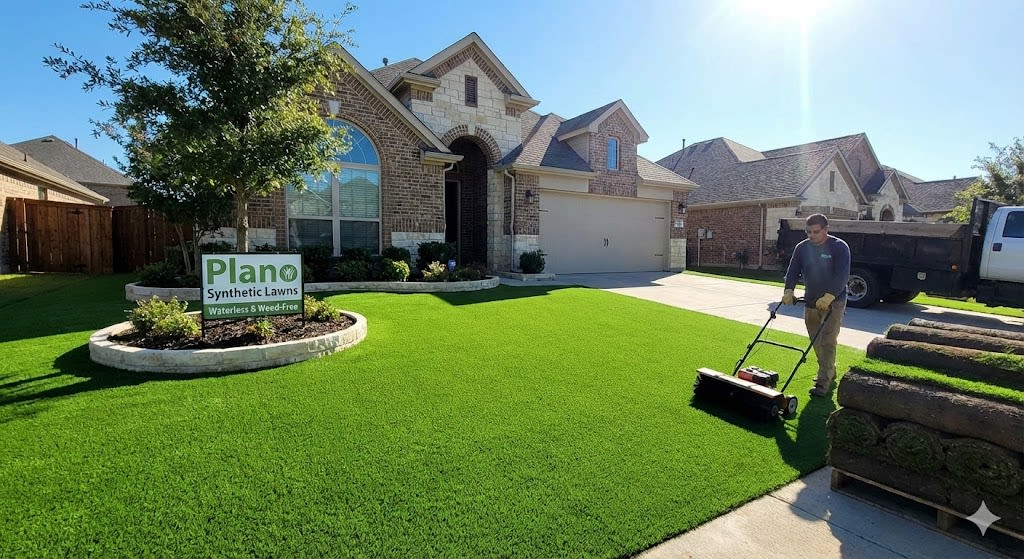
Maintaining a natural lawn in Plano can be challenging due to weather conditions, water limitations, and ongoing upkeep requirements. Long summer heat, inconsistent rainfall, and soil conditions often make it difficult for grass to remain healthy throughout the year. As a result, many property owners are exploring artificial turf as an alternative surface solution.
Artificial turf has become increasingly visible in residential, commercial, and recreational spaces across Plano. Rather than serving as a replacement for landscaping entirely, it functions as a low-maintenance ground cover designed to remain consistent in appearance regardless of seasonal changes.
What Artificial Turf Is and How It Works
Artificial turf is manufactured using synthetic fibers designed to resemble natural grass blades. These fibers are attached to a backing system that allows water to drain through, preventing surface pooling. Beneath the turf, a prepared base helps maintain stability and evenness over time.
Unlike natural grass, artificial turf does not grow, require sunlight, or depend on soil quality. Once installed, it maintains the same height, color, and texture without the need for mowing or fertilization.
Why Climate Plays a Role in Turf Adoption
Plano’s climate places significant stress on traditional lawns. Extended heat can dry out grass quickly, while watering restrictions limit how often lawns can be irrigated. As a result, many yards experience thinning, discoloration, or bare patches during warmer months.
Artificial turf is not affected by temperature changes in the same way. Its appearance remains consistent in shaded areas, high-traffic zones, and locations where natural grass typically struggles. This reliability has contributed to its growing use across different property types.
Residential Uses of Artificial Turf
In residential settings, artificial turf is commonly used in backyards, side yards, patios, and play areas. Some homeowners use turf in locations where trees block sunlight or where soil conditions prevent grass from growing evenly.
Artificial turf also provides a clean, mud-free surface, which can be helpful in households with children or pets. Because the surface remains dry and level, it reduces tracking dirt into indoor spaces and minimizes uneven ground caused by foot traffic.
Commercial and Public Applications
Artificial turf is also present in commercial environments such as office buildings, schools, retail areas, and shared outdoor spaces. In these settings, turf is often used to maintain a consistent appearance while reducing ongoing landscape maintenance.
Public-facing spaces benefit from surfaces that remain usable regardless of weather conditions. Turf can support frequent foot traffic without developing worn paths or exposed soil, which helps preserve the appearance of shared areas.
Recreational and Activity Areas
Sports and recreational facilities frequently use artificial turf due to its durability and drainage capabilities. Playgrounds, training areas, and community sports fields rely on turf to provide a stable surface that remains usable after rain.
Because artificial turf does not develop mud or divots, activity areas can remain open more consistently. This reliability is especially important in spaces designed for regular physical use.
Considerations for Pet Areas
Pet owners often encounter challenges such as worn grass, odor retention, and muddy surfaces. Artificial turf systems designed for pet use typically include enhanced drainage layers that help manage moisture.
These surfaces remain easy to rinse and dry quickly, reducing long-term odor buildup. The consistency of the surface also helps prevent digging and uneven wear commonly seen in natural grass yards.
Installation as a Process, Not a Product
Artificial turf performance depends heavily on preparation and installation methods. Ground leveling, base materials, and drainage planning all influence how the surface behaves over time. Improper installation can lead to uneven areas, poor drainage, or premature wear.
For this reason, artificial turf is often discussed as a system rather than a standalone material. Long-term functionality depends on how well each layer works together beneath the surface.
Long-Term Maintenance Differences
One of the main distinctions between artificial turf and natural grass is ongoing maintenance. While turf does not require mowing or watering, it still benefits from occasional cleaning to remove debris and maintain appearance.
This maintenance is typically limited to light brushing and rinsing, rather than seasonal lawn care routines. Over time, this difference can significantly reduce routine outdoor upkeep.
Closing Perspective
Artificial turf represents a functional surface option rather than a one-size-fits-all solution. In Plano, its use reflects environmental conditions, lifestyle needs, and space requirements rather than aesthetic preference alone.
Understanding how artificial turf works, where it is commonly used, and what factors influence its performance allows property owners to make informed decisions based on practicality rather than trends.
About the Creator
Abbasi Publisher
Khurram Abbasi is a professional content strategist and writer, founder of Abbasi Publisher, specializing in guest posting, high-authority backlinks, and media placements to elevate brands and digital presence.
Keep reading
More stories from Abbasi Publisher and writers in Writers and other communities.
What Makes a Great Random Video Chat Experience: Features That Truly Matter
Random video chat platforms have become a popular way for people to connect online without long-term commitments or formal profiles. Whether users are looking for casual conversation, cultural exchange, or a brief social break, these platforms promise spontaneous human interaction in a digital space. However, not all random video chat experiences feel the same. Some feel smooth and engaging, while others quickly become frustrating or uncomfortable.
By Abbasi Publisherabout 11 hours ago in Writers



Comments
There are no comments for this story
Be the first to respond and start the conversation.