
How To Train Restaurant Staff For Exceptional Customer Service?
Boost customer satisfaction by empowering your restaurant team with practical, friendly service skills that leave a lasting impression.


Delivering exceptional customer service in the restaurant industry requires careful planning, continuous training, and a deep understanding of the dining experience. In a competitive market, the quality of service can make or break a restaurant's reputation. Every interaction with diners is an opportunity to create memorable experiences that keep customers coming back for more.
How do you ensure your staff consistently exceeds customer expectations? The secret lies in a strategic, well-crafted training plan tailored to the unique needs of the restaurant industry. From handling dietary preferences to resolving complaints about delayed dishes, equipping your team with strong communication and problem-solving skills is essential. Exceptional service doesn’t happen by chance. In fact, it is built through ongoing training and a commitment to your restaurant's core values.
Ways to Train Staff for Exceptional Customer Service
1. Set Clear Expectations for Service Excellence
Establishing clear and actionable expectations lays the foundation for delivering standout dining experiences. Every team member should understand what great customer service looks like in your restaurant.
- Define Service Standards: Set benchmarks such as greeting diners within 30 seconds of arrival, checking on tables during meals, and ensuring timely delivery of dishes. For instance, staff should ensure popular dishes, like a chicken kebab salad, are served fresh and efficiently.
- Connect Service to Success: Help employees understand how positive customer experiences drive repeat business and glowing reviews. Share examples of how exceptional service impacts the restaurant’s reputation.
2. Invest in Ongoing Training and Development
Customer service training in restaurants must be a continuous process to stay ahead of evolving customer expectations and trends in the food industry.
- Role-Playing Scenarios: Practice real-life situations, such as handling complaints about incorrect orders or delays. Role-playing helps staff feel prepared for high-pressure moments in the dining room.
- Soft Skills Training: Focus on empathy, patience, and attentive listening. For example, train servers to actively listen when customers describe dietary restrictions or special requests.
- Menu Knowledge: Ensure every team member knows the menu inside out. They should confidently recommend dishes, like pairing a chicken kebab salad with a signature beverage or suggesting alternatives for diners with allergies.
3. Foster a Positive Work Environment
Happy employees deliver better service, and fostering a positive work culture directly impacts the dining experience.
- Recognize Achievements: Acknowledge outstanding performance through rewards or shoutouts during team meetings. For example, recognize a server who received multiple compliments from diners in one week.
- Encourage Teamwork: Service excellence is a team effort. Foster collaboration between servers, kitchen staff, and hosts to ensure smooth service during peak hours.
- Provide Resources: Equip your team with tools like point-of-sale systems, reservation apps, and clear service protocols to help them work efficiently.
4. Empower Staff to Resolve Issues Independently
In a fast-paced restaurant environment, quick and thoughtful resolutions to customer issues are critical.
- Encourage Autonomy: Train employees to handle common issues, such as offering a complimentary dessert for a delayed meal or quickly replacing a dish if it doesn’t meet expectations.
- Clear Escalation Protocols: Provide guidelines for when staff should involve managers, ensuring consistent resolutions for more complex issues.
- Focus on Problem-Solving: Teach employees to think critically and calmly under pressure. For example, a server can address a missing reservation by finding an alternative table and offering a drink in the house.
5. Utilize Technology to Enhance Customer Experience
Modern tools can streamline restaurant operations, allowing staff to focus on delivering exceptional service.
- Reservation and Waitlist Apps: Use apps to efficiently manage reservations and waitlists, ensuring diners have a seamless experience from the moment they book a table.
- Online Feedback Systems: Encourage diners to leave reviews or complete surveys to gather insights on areas for improvement.
- Point-of-Sale Integration: Advanced POS systems can track orders, manage payments, and store customer preferences, helping staff provide personalized service.
6. Provide Consistent Feedback and Track Progress
Regular feedback is essential for improving service quality in a restaurant setting.
- Customer Surveys: Use feedback tools to gather insights on staff performance, including response times and friendliness.
- Performance Reviews: Conduct one-on-one sessions with team members to discuss strengths and areas for improvement.
- Set Measurable Goals: Track metrics like table turnaround times and customer satisfaction scores to monitor progress.
7. Lead by Example in Customer Service
Managers and leaders in restaurants set the tone for exceptional service.
- Be Hands-On: Assist during peak hours by greeting diners or clearing tables. This demonstrates your commitment to teamwork and service.
- Model Empathy: Show staff how to handle difficult situations with a calm and understanding approach. For example, if a diner has a complaint, listen attentively and offer a thoughtful resolution.
- Stay Visible: Engage with both staff and customers to foster a welcoming atmosphere.
Wrapping Up
Exceptional customer service is the heart of any successful restaurant. It requires consistent training, empowering your team, and fostering a supportive work environment. When your staff is equipped with the skills and tools to meet customer needs, every interaction becomes an opportunity to create a lasting impression. By prioritizing service excellence, your restaurant can turn casual diners into loyal customers, ensuring continued success in a competitive industry.
About the Creator
Lisa Smith
As a dedicated content writer, I create efficient, well-researched articles across business, tech, and local services. I focus on clarity, accuracy, and value, with a detail-driven process that ensures quality, creativity, and results.
Keep reading
More stories from Lisa Smith and writers in Writers and other communities.
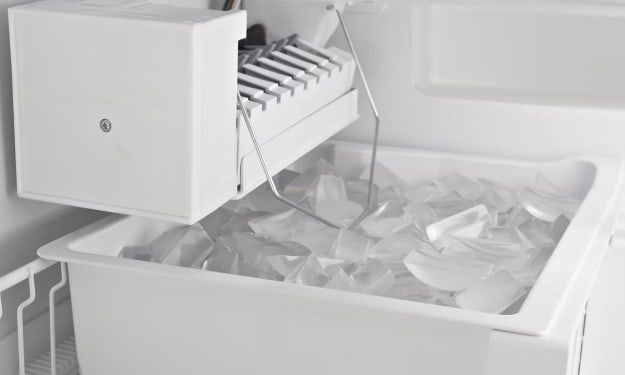
Why Is Your Ice Maker Not Working? Diagnosing and Fixing the Issue
Imagine it’s a scorching summer day in Charlotte, and you reach into your freezer for some ice to cool your drink only to discover that your ice maker has decided to take a break. Ice makers are incredibly convenient until they stop working. If it’s because of blocked water lines, incorrect temperature settings, or mechanical malfunctions, ice maker issues can be a hassle. Understanding the common causes and knowing how to address them can save you time, money, and stress.
By Lisa Smith12 months ago in Writers
The Butterfly Effect: More Real Than It Seems
The butterfly effect is a fascinating topic that I would like to discuss this time, as it is quite different from others. Its existence raises questions and proposes an intriguing idea that has been studied by many people from unique and diverse perspectives. It has led me to reflect on whether things—what we see—exist simply by chance, or whether they depend on something entirely different or external.
By julian nivia7 days ago in Writers



Comments
There are no comments for this story
Be the first to respond and start the conversation.