
What is the environmental concern about concrete coring?
Environmental Concern about Concrete Coring Service
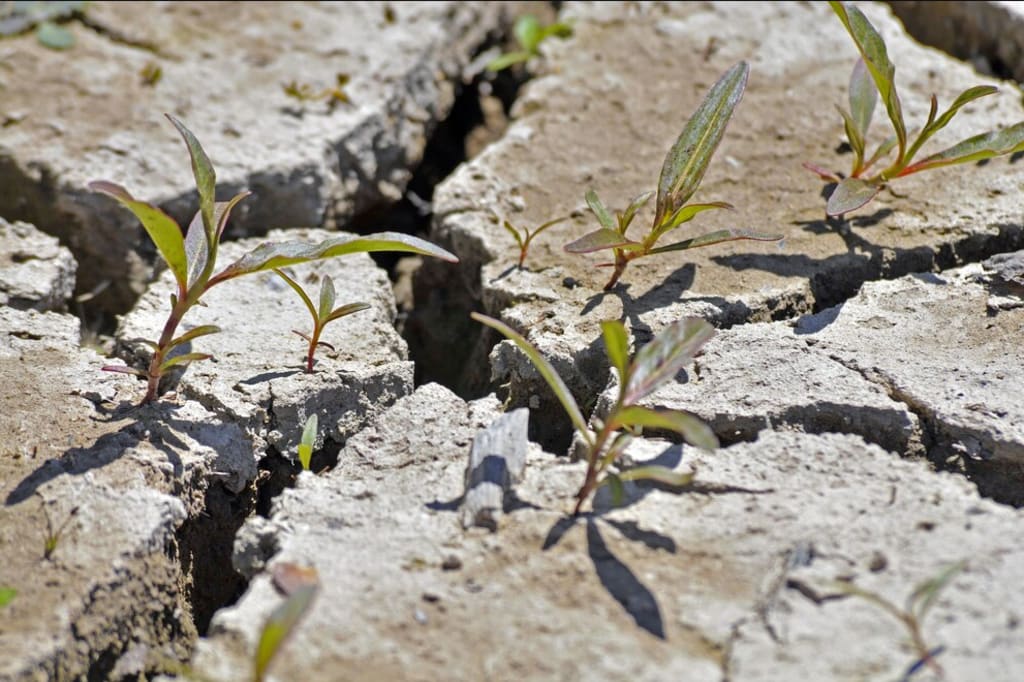
Concrete coring is a specialized process in which cylindrical holes are drilled into concrete structures for various purposes, such as utility installations, structural assessments, and selective demolition.
While this technique is indispensable in modern construction and renovation projects, it also raises serious environmental concerns. This article explores the environmental impacts of concrete coring service and the need to introduce sustainability into the industry.
The Environmental Footprint of Concrete Coring
Concrete production and coring play a role in many different environmental issues, including the following:
- Carbon Emissions: The manufacturing process of concrete is an exceptionally significant emitter of CO2. It happens mainly in the chemical alteration of limestone into clinker, which is one of the essential elements of cement. It is estimated that the cement industry contributes about 8% of total current global CO2 emissions and, consequently, to global warming.
- Resource Depletion: Concrete coring requires massive amounts of raw materials, including the aggregates that are sand, gravel, and crushed stone, mixed with water. Such extraction often results in habitat destruction, depletion of local water sources, and disruption of ecosystems.
- Waste Generation: Traditional methods of concrete cutting generate considerable amounts of waste material. On the other hand, the precision of concrete coring services produces less waste material. The slurry formed from water, concrete dust, and additives during the process can pose environmental risks if not disposed of properly.
- Water Pollution: Runoff from the operations of concretes can be highly alkaline and can contain harmful elements such as chromium. The runoff, if not effectively contained, contaminates local waterways and groundwater. Proper management practices are supposed to be in place that would prevent such pollution.
Benefits of Concrete Coring Services
Despite having environmental impacts, concrete coring offers several advantages to reduce some negative effects:
- Waste Reduction: Compared to other methods of concrete cutting with jackhammering or sawing, coring creates much less waste material. In many instances, that makes it an eco-friendlier method of opening concrete structures.
- Less Interference: Concrete coring, by contrast, minimizes noise, dirt, and vibration compared to other methods. It's helpful in buildings with occupancy or sensitive environments where an orderly job site is needed.
- Wet core drilling methods: The usage of water while coring reduces dust and also serves to cool the drill bit; thus, it results in cleaner holes with fewer air-born particulates. This approach aligns with the theme of environmental sustainability since the net result is less disturbance of the environment.
Managing Environmental Risks
To address the environmental concern with concrete coring, following is some good practices suggested :
- Slurry Management: The slurry produced during core drilling operations must be managed effectively. Contractors should employ best practices to ensure that slurry does not contaminate local waterways or alter soil pH. This includes using containment systems and proper disposal methods.
- Sustainable Sourcing: Employing wastes that are recyclable in concrete production can reduce resource depletion to a minimum. For example, crushed concrete from demolition sites can be reused as aggregate for new projects. The ecological footprint of the construction activities can be reduced with sustainable sourcing practices.
- Life Cycle Assessment: LCA of concrete structures can find out the point in a project life cycle where environmental impacts can be minimized. This assessment considers factors such as raw material extraction, production processes, transportation emissions, and end-of-life disposal.
Conclusion
Concrete coring in today's construction field gives correct and fast results on different applications. At the same time, one would also want to give consideration to the environmental care it requires.
If suitable methods are employed in line with good waste management systems, then the construction sector stands out to reduce negative environmental impact while still leveraging on various benefits that coring has to offer.
About the Creator
Barriers to NLP Adoption in Healthcare Organizations
Natural Language Processing (NLP) has the potential to unlock enormous value in healthcare from improving documentation quality to streamlining revenue cycle operations and strengthening data governance. Yet despite years of promise, NLP adoption across healthcare organizations remains uneven and slow.
By Lilly Scott4 days ago in Writers
Affection and Healing for Yourself
During the night of the last quarter moon, I gathered my ritual supplies. I carefully handled the chunk of black tourmaline that would protect me from your overall negative and narcissistic energy. I carefully walked the house with my stick of selenite in hand, asking the universe to cleanse our working space.
By Alisha Wilkins ✒️🦋🖋️4 days ago in Fiction




Comments
There are no comments for this story
Be the first to respond and start the conversation.