
What Are the Key Steps in the Sea Freight Forwarding Process?
The Key Steps in the Sea Freight Forwarding Process?

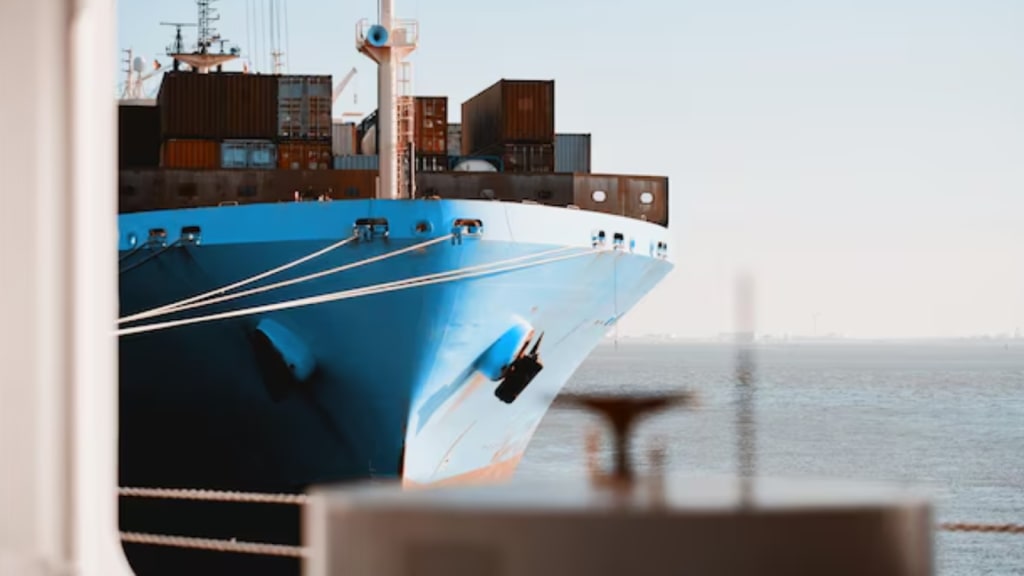
Shipping goods internationally can seem complex, especially when it comes to the sea freight forwarding process. If you're wondering how goods are transported across the globe, you're not alone. Sea freight is one of the most common methods for moving large quantities of goods.
But what happens behind the scenes? How do shipments move from point A to point B? Understanding the steps involved can help ensure smooth and efficient delivery.
This process isn’t just about loading goods onto a ship and waiting for them to arrive. There are several critical stages to consider. Whether you’re shipping goods for business or personal reasons, knowing these steps can save you time and reduce potential headaches.
From documentation to customs clearance, let's dive into what you need to know and how you can make it easier with sea freight forwarding services.
The Sea Freight Forwarding Journey: A Step-by-Step Breakdown
Choosing the Right Shipping Company
The first step involves selecting some of the reliable sea freight forwarder services. These companies will handle your shipment, ensuring it gets to its destination.
They are the link between you, the shipping carrier, and all the other involved parties. A forwarder’s role includes planning the best route, choosing the right vessel, and handling documentation.
Preparing the Goods for Shipping
Before anything moves, preparation is key. Your first job is ensuring your goods are packed correctly. Sea freight requires sturdy packing, as the journey can be long and rough.
Some items may need special containers, particularly if they are sensitive to weather conditions or need to be kept at a certain temperature.
Documenting the Shipment
Documents are an essential part of shipping goods. They include invoices, packing lists, and customs declarations. These documents are necessary for customs clearance and help ensure the goods are delivered correctly.
A good sea freight forwarding service will assist with paperwork, ensuring nothing is left out and avoiding delays at customs.
Customs Clearance
Every shipment has to pass through customs. This step involves verifying that the goods are allowed into the country and that all necessary taxes and fees are paid.
Customs agents review the paperwork and inspect the goods if needed. You might have to pay tariffs, especially if you're importing products. To avoid issues, it’s best to hire an experienced forwarder who knows the ins and outs of customs procedures.
Ocean Transport
Now, your goods are ready to board the vessel. This is the stage where the physical transportation happens. Your goods are carefully loaded onto the container ship.
Depending on where you’re shipping, this stage can take several days or even weeks. The good news is that once your goods are on board, they are in transit, and you don’t have to worry about them for a while.
Arrival at Destination Port
Once the ship reaches the destination port, the container is unloaded, and your goods are ready to be transported further. But before that, a final inspection and clearance may be required.
The destination port typically has its own processes for unloading and inspection. Understanding these requirements can help prevent any surprises.
Final Delivery to the Recipient
After the goods have been cleared from customs and are ready for delivery, the final step is arranging transportation to get them to the recipient's location.
Depending on the delivery address, the goods might need to be transported by truck or rail. Some companies will handle this for you as part of their full sea freight forwarding services.
Critical Points to Keep in Mind
Timing and Deadlines: Shipping times can vary significantly, so be sure to ask about estimated delivery schedules. Plan ahead to avoid rush shipping.
Cost: Shipping by sea is cost-effective for large volumes, but you’ll need to understand how the pricing structure works. It often includes fees for handling, documentation, and other services.
Tracking Your Shipment: Many sea freight services now offer online tracking, allowing you to monitor the progress of your goods and know when they’re expected to arrive.
In Conclusion
Navigating the sea freight forwarding process can seem intimidating, but breaking it down into clear steps can make it more manageable. From preparing your goods for shipping to arranging final delivery, understanding each phase ensures a smoother process. If you’re ever unsure, remember that sea freight forwarding services can help at every stage, from documentation to customs clearance and transportation.
By choosing a trusted forwarder and keeping track of your shipment, you can ensure your goods are delivered safely and efficiently, whether you're shipping locally or internationally. Now that you know the steps, you're one step closer to successfully shipping your goods!
Read more: vocal.media
About the Creator
david0martinezdm
David Martinez is a dynamic voice in the business arena, bringing a wealth of expertise cultivated through years of hands-on experience. With a keen eye for emerging trends and a strategic mindset, David has consistently guided business.
Keep reading
More stories from david0martinezdm and writers in Writers and other communities.
How to Choose the Right Steel Capped Boots for Your Industry
Steel-capped boots are a vital component of personal protective equipment (PPE) in many industries, offering protection against a wide range of potential workplace hazards. Whether you're in construction, manufacturing, or any other industry where foot injuries are a risk, selecting the right pair of steel-capped boots is crucial. In this guide, we'll walk you through the key factors to consider when choosing the right pair for your industry needs.
By david0martinezdmabout a year ago in Writers
Early March 2026: 4 Goals Accomplished
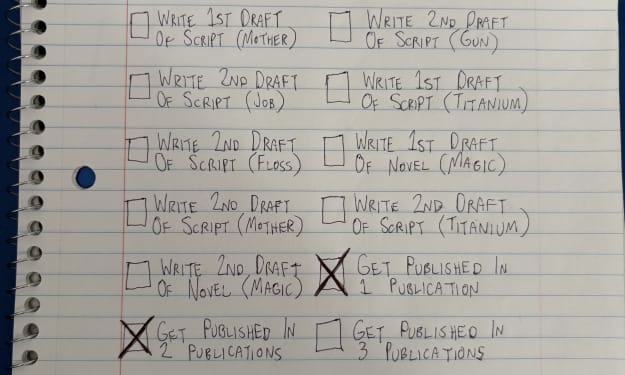
It's early March and I've now accomplished my 4th writing goal for the year of 2026. Before diving into the behind-the-scenes of it... why not tell you up front what that accomplishment was? I was published in a 2nd publication for this year. Published in Helix Literary Magazine out of Central Connecticut State University. You can read it for free right now!
By Stephen Kramer Avitabile6 days ago in Writers
Should You Use Elementor for WordPress in 2026
Building a professional website used to require strong coding knowledge, design skills, and significant time. Over the past few years, page builders have transformed the way websites are created on WordPress. Among these tools, elementor has played a major role in making website creation easier for beginners, freelancers, and businesses. But the WordPress ecosystem continues to evolve rapidly. New tools, faster frameworks, and improved block editors are changing the landscape.
By Louis Specter6 days ago in Writers



Comments
There are no comments for this story
Be the first to respond and start the conversation.