
How to Choose the Right Steel Capped Boots for Your Industry
Tips for Choosing the Right Footwear for Safety

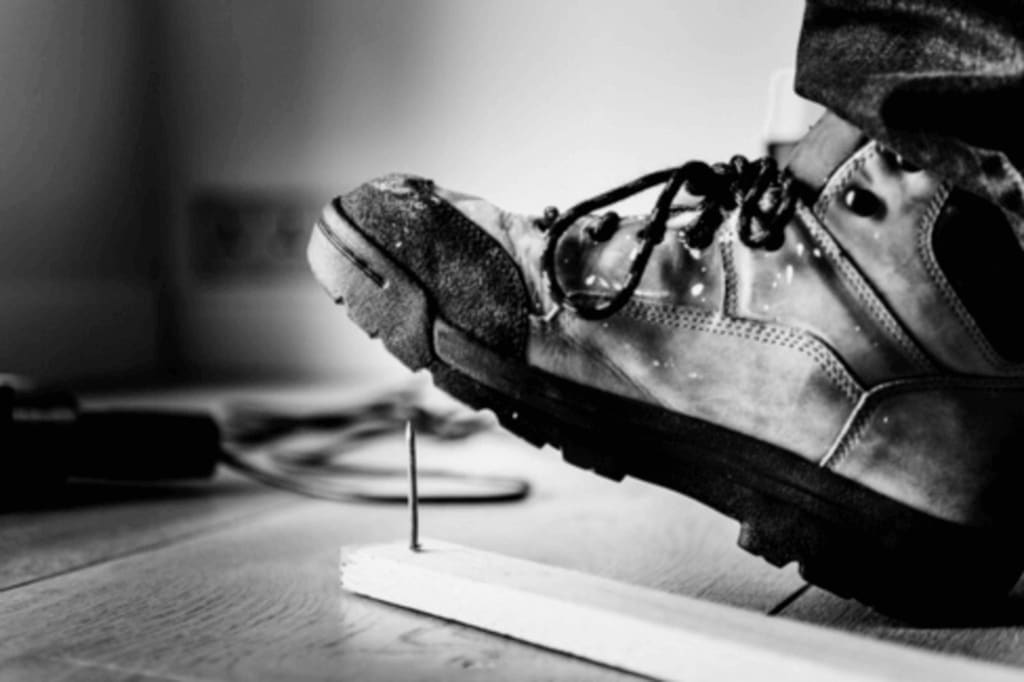
Steel-capped boots are a vital component of personal protective equipment (PPE) in many industries, offering protection against a wide range of potential workplace hazards. Whether you're in construction, manufacturing, or any other industry where foot injuries are a risk, selecting the right pair of steel-capped boots is crucial. In this guide, we'll walk you through the key factors to consider when choosing the right pair for your industry needs.
1. Understand the Risks in Your Industry
The first step in selecting the right steel-toe capped boots is understanding the risks specific to your industry. Different industries present different hazards, and the protection you need will vary accordingly.
Construction and Building Sites
In construction, the most significant risks include falling objects, sharp tools, and heavy equipment. Steel-capped boots are essential to protect your toes from injury in these high-risk environments. Look for boots with additional features like puncture-resistant soles and waterproofing.
Warehousing and Logistics
In warehousing or logistics, employees often encounter heavy boxes, sharp items, and the potential for slipping or tripping. Steel-capped boots in these environments should provide adequate toe protection while also offering good grip and ankle support to prevent accidents.
Manufacturing and Engineering
Manufacturing and engineering workers face exposure to chemicals, hot surfaces, and electrical hazards. Steel-capped boots for these environments should have heat-resistant soles, chemical resistance, and, in some cases, electrical hazard protection (EH-rated boots).
Agriculture and Farming
In agricultural sectors, workers might be exposed to machinery, livestock, and uneven terrain. Look for boots that offer steel-capped protection, along with anti-slip soles for muddy or wet conditions. Water-resistant or waterproof features will also be important for working outdoors in various weather conditions.
2. Comfort is Key
While protection is the primary function of steel toe cap shoes, comfort is equally important. You may be on your feet for hours at a time, so the boots need to provide adequate comfort, support, and cushioning to reduce fatigue and prevent long-term injury.
Fit and Sizing
Steel-capped boots must fit properly to ensure comfort and functionality. Boots that are too tight can cause blisters and restricted circulation, while boots that are too loose can result in instability and discomfort. It's recommended to try boots on at the end of the day, when your feet are at their largest, to get an accurate fit.
Insoles and Arch Support
Consider boots with cushioned insoles and built-in arch support to enhance comfort throughout the day. This is especially important for workers in industries that require long hours of standing or walking. Some boots offer removable insoles, allowing you to replace them with custom orthotics if needed.
Weight of the Boots
The weight of the boots can also affect your comfort levels. Lighter boots will be more comfortable for prolonged periods, but they should not compromise on protection. Balancing lightweight materials with strong construction is crucial for long-term wear.
3. Look for Specific Features Based on Your Industry Needs
Each industry will have specific needs, and the right pair of steel capped boots should cater to those. Some of the common additional features include:
Slip Resistance
For industries with slippery floors or outdoor conditions, such as wet and muddy environments, slip-resistant soles are essential. Rubber soles with deep treads can offer the traction needed to avoid accidents.
Waterproofing
In wet conditions, such as in agriculture, construction, or outdoor working environments, waterproof boots can keep your feet dry and protected. Look for boots with waterproof leather or synthetic materials and sealed seams.
Electrical Hazard Protection
If you're working with electrical equipment or in environments with the risk of electric shock, opt for steel-capped boots that are EH-rated (electrical hazard). These boots are designed to provide insulation from electric shocks.
Puncture Resistance
In environments like construction sites or warehouses, the risk of stepping on sharp objects like nails or glass is high. Steel-capped boots with puncture-resistant soles provide added protection against such hazards.
Heat Resistance
For workers exposed to extreme heat, such as those in steel mills or foundries, boots with heat-resistant soles are essential. These boots are designed to withstand high temperatures without compromising the integrity of the sole.
4. Durability and Materials
Steel-capped boots must withstand the wear and tear of the job site. The materials used in the construction of the boots will directly affect their durability and performance.
Leather vs. Synthetic Materials
Leather is a durable and breathable material often used in steel-capped boots, providing excellent protection and comfort. However, synthetic materials, like nylon or polyurethane, can offer lighter boots with water-resistant properties. Choose materials that suit your work environment and provide the necessary level of durability.
Sole Materials
The sole of your boots should be made from a durable material that can withstand the conditions of your industry. Rubber soles are generally the best choice for most environments, offering slip resistance, durability, and comfort. Vibram soles, for instance, are known for their long-lasting quality and superior grip.
5. Safety Standards and Certification
When choosing steel-capped boots, it's important to ensure they meet the necessary safety standards and certifications for your industry. In the UK, safety boots must comply with the European EN ISO 20345 standard for occupational footwear.
EN ISO 20345 Certification
The EN ISO 20345 standard specifies the safety requirements for protective footwear. Boots certified to this standard provide basic protection, including steel toecaps, impact resistance, and slip resistance. Look for boots that meet this standard for general workplace safety.
Additional Standards
Depending on your industry, you may need boots that meet higher or more specific safety standards, such as:
S3: Suitable for construction and outdoor work, including waterproofing and slip-resistant soles.
S2: Protection against water penetration and absorption, suitable for wet environments.
P: Puncture resistance, essential for environments with sharp objects on the ground.
6. Price and Value for Money
While it might be tempting to opt for the cheapest steel toe boots available, it's important to strike a balance between cost and quality. The right boots can save you money in the long run by preventing injuries and offering superior durability. Look for brands that offer a good balance of affordability, quality, and industry-specific features.
Conclusion
Choosing the right steel-capped boots for your industry requires careful consideration of the specific hazards you face, the comfort and durability of the boots, and the features that will best suit your working environment. By understanding your needs and selecting boots that meet safety standards and offer reliable protection, you'll ensure a safer and more comfortable working experience. Always invest in high-quality footwear that prioritises both safety and comfort to get the most out of your workday.
About the Creator
david0martinezdm
David Martinez is a dynamic voice in the business arena, bringing a wealth of expertise cultivated through years of hands-on experience. With a keen eye for emerging trends and a strategic mindset, David has consistently guided business.
Keep reading
More stories from david0martinezdm and writers in Writers and other communities.
Everything You Need to Know About Digital Signage Solutions
Digital signage has revolutionised the way businesses and organisations communicate, offering dynamic and engaging methods to convey information. From retail environments to educational institutions, the versatility of digital signage solutions has made them an integral component of modern communication strategies.
By david0martinezdm12 months ago in Writers
Understanding Prototype PCB Assembly and Its Role in Modern Electronics Development
In the fast-evolving electronics industry, prototype PCB assembly plays a central role in turning design concepts into functional hardware. Before any electronic product reaches large-scale manufacturing, it must pass through a critical testing and validation phase. This is where prototype printed circuit boards (PCBs) become essential.
By Abbasi Publisher4 days ago in Writers




Comments
There are no comments for this story
Be the first to respond and start the conversation.