
Understanding Medical Information Services: An Essential Component of Healthcare
PharmExpert LLC is a notable pharmacovigilance service provider within the CIS countries. The company offers comprehensive services, including literature screening, local literature monitoring, and the provision of qualified personnel for pharmacovigilance. Their expertise is instrumental in helping pharmaceutical companies comply with local regulations and maintain high standards of drug safety.
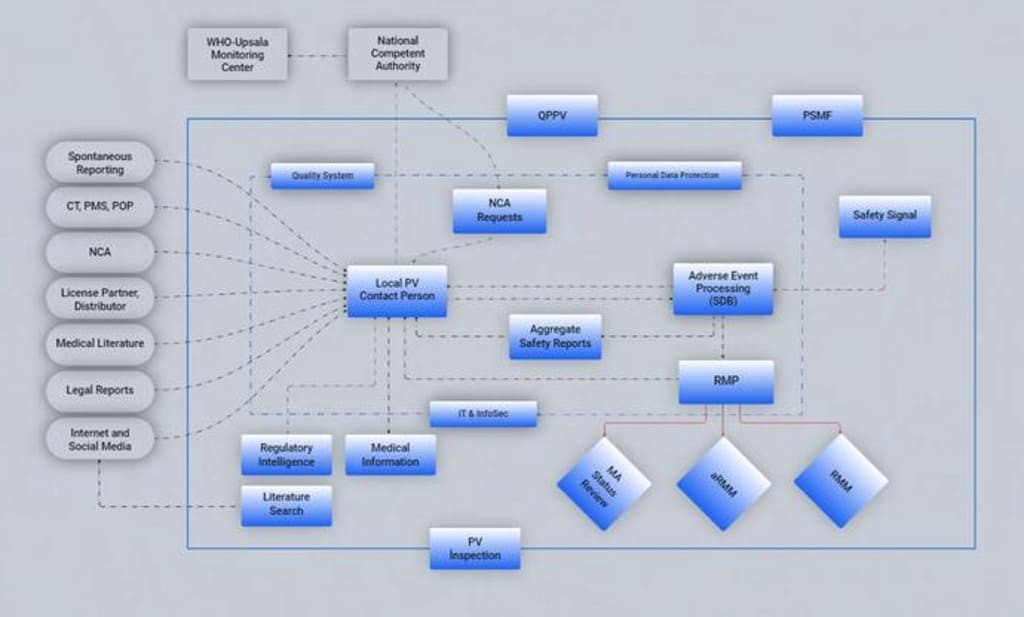
## Introduction
In an age where information is readily available at our fingertips, the role of Medical Information Services (MIS) has never been more crucial. These services bridge the gap between complex medical data and its accessibility for healthcare professionals, patients, and stakeholders. As healthcare becomes increasingly specialized and information-intensive, understanding the functions and benefits of MIS is essential.
## What are Medical Information Services?
Medical Information Services encompass a wide array of activities aimed at collecting, analyzing, and disseminating medical knowledge. These services often operate within pharmaceutical companies, healthcare institutions, regulatory bodies, and public health organizations. They provide critical support in several areas, including drug safety, clinical research, regulatory compliance, and patient education.
### Core Functions of MIS
1. **Data Management**: MIS professionals compile and manage vast amounts of clinical data, ensuring that it is up-to-date and accessible. This includes reviewing and organizing clinical trial results, literature, and Real-World Evidence (RWE).
2. **Information Dissemination**: One of the primary roles of MIS is to ensure accurate and timely distribution of medical information to relevant stakeholders, including healthcare providers, pharmacists, and patients. This can involve creating informative materials, patient leaflets, or online resources.
3. **Regulatory Support**: MIS plays a vital role in helping pharmaceutical companies navigate regulatory requirements. This includes gathering the necessary data for product approvals and post-market surveillance, ensuring compliance with local and international guidelines.
4. **Clinical Support**: Healthcare professionals often rely on MIS for clinical inquiries. This can range from drug interaction questions to the latest treatment protocols. MIS teams provide evidence-based answers that support clinical decision-making.
5. **Pharmacovigilance**: Monitoring drug safety is a key function of MIS. By collecting and analyzing adverse event reports, they help ensure the safe use of medications and inform necessary regulatory actions.
### The Role of Technology
Advancements in technology have transformed how Medical Information Services operate. Electronic databases, artificial intelligence, and machine learning tools can enhance data retrieval and analysis processes, leading to faster and more accurate responses to inquiries. Telemedicine, digital health platforms, and mobile applications also facilitate improved patient access to medical information.
## The Importance of Medical Information Services
1. **Enhanced Patient Safety**: By providing accurate drug information and therapeutic guidelines, MIS contributes to patient safety. Healthcare professionals can make informed decisions that reduce medication errors and adverse events.
2. **Improved Clinical Outcomes**: MIS enables healthcare providers to access the latest research and clinical guidelines, which can improve the overall quality of care and lead to better patient outcomes.
3. **Supports Evidence-Based Medicine**: By gathering and analyzing data from various sources, MIS fosters an evidence-based approach to clinical practice, ensuring that treatment plans are grounded in the best available evidence.
4. **Patient Empowerment**: Through educational initiatives and accessible information, MIS empowers patients to take an active role in their healthcare, leading to informed decision-making and improved health literacy.
5. **Facilitating Research and Development**: For pharmaceutical companies, MIS is critical in facilitating clinical research initiatives. By providing essential data support, they help streamline the drug development process and ensure compliance with regulatory requirements.
## Challenges Facing Medical Information Services
While MIS provides invaluable support to the healthcare ecosystem, it also faces several challenges:
1. **Information Overload**: The sheer volume of medical data available can overwhelm healthcare professionals. MIS must distill this information effectively.
2. **Keeping Up with Rapid Changes**: The fast-paced nature of medical research necessitates continuous updates to ensure that stakeholders have access to the most current information.
3. **Regulatory Hurdles**: Navigating the complex landscape of healthcare regulations can be daunting for MIS professionals, adding layers of difficulty to their operations.
4. **Integration of Technology**: Adopting new technologies can be resource-intensive, and not all organizations have the infrastructure or budget to implement efficient systems.
## Conclusion
Medical Information Services are a vital component of the modern healthcare landscape. By facilitating access to trustworthy information, they play a critical role in enhancing patient safety, supporting clinical decision-making, and fostering advancements in medical research. As the healthcare industry evolves, investing in robust MIS will be essential for ensuring that both healthcare professionals and patients can navigate the complexities of medical information effectively. In an era where knowledge is power, MIS stands at the forefront, translating complex data into actionable insights for better health outcomes.
https://pharmex.co/
About the Creator
Keep reading
More stories from Eldaniz Hasanov and writers in Writers and other communities.
Understanding Materiovigilance: Ensuring Safety in Medical Devices
In today’s healthcare landscape, the use of medical devices is pervasive, ranging from simple items like bandages to complex systems such as pacemakers and robotic surgical instruments. With the rapid advancement in technology and an ever-increasing number of medical devices entering the market, ensuring their safety and efficacy is of paramount importance. This is where materiovigilance comes into play.
By Eldaniz Hasanovabout a year ago in Writers
Is It Safe to Buy Used Gun? Expert Tips
Buying a second-hand firearm can be a practical and cost-effective option for licensed owners. However, many people ask an important question: Is it safe to buy used gun? The answer depends on two key factors, legal compliance and proper inspection. When handled responsibly and in accordance with the law, purchasing a used firearm can be both safe and beneficial.
By jimmie Lotte2 days ago in Writers
Nancy Guthrie: Is a miracle still possible after close to two weeks?
Close to two weeks since Nancy Guthrie's abduction As of February 12, 2026, Nancy Guthrie remains classified as missing for 12 days, but there is no official confirmation that she is deceased. Blood matching Guthrie’s DNA was found on her front porch, indicating she likely suffered an injury during the abduction.
By Cheryl E Preston5 days ago in Geeks



Comments
There are no comments for this story
Be the first to respond and start the conversation.