
Understanding Materiovigilance: Ensuring Safety in Medical Devices
Pharmacoviligiance
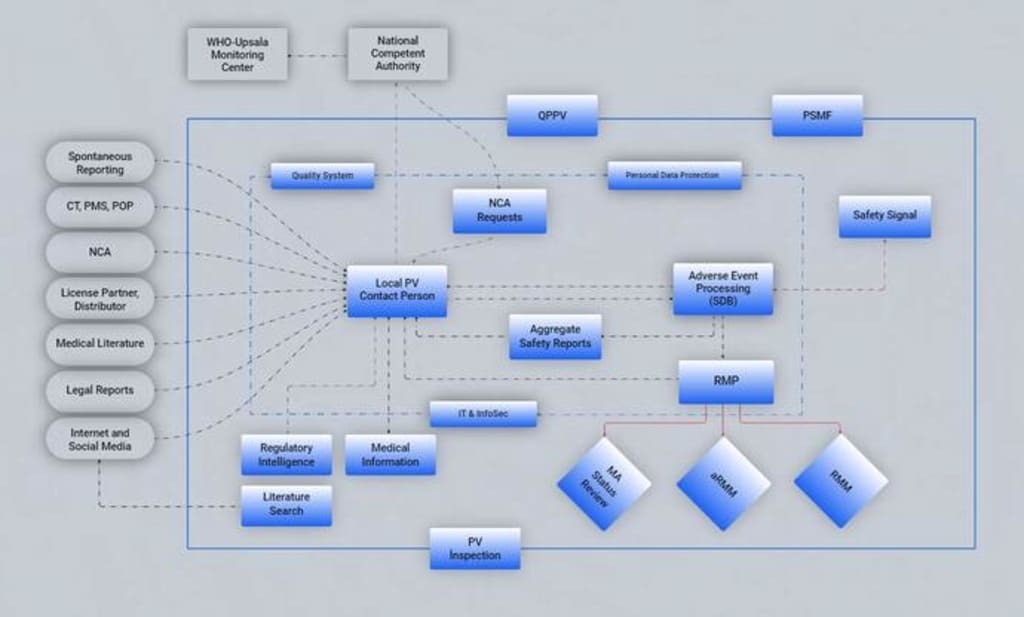
In today’s healthcare landscape, the use of medical devices is pervasive, ranging from simple items like bandages to complex systems such as pacemakers and robotic surgical instruments. With the rapid advancement in technology and an ever-increasing number of medical devices entering the market, ensuring their safety and efficacy is of paramount importance. This is where materiovigilance comes into play.
#### What is Materiovigilance?
Materiovigilance is a systematic approach to monitoring the performance and safety of medical devices throughout their lifecycle. The term is derived from "materials" and "vigilance," embodying the practice of observing and reporting any adverse events or complications associated with medical devices. It encompasses pre-market evaluations and post-market surveillance to ensure that both new and existing devices continue to meet safety standards.
The concept is particularly critical because medical devices are often used in various clinical settings and patient populations, which can reveal unanticipated risks and outcomes that may not have been evident during initial testing and approval phases.
#### Key Components of Materiovigilance
1. **Adverse Event Reporting:** Healthcare professionals, manufacturers, and patients are encouraged to report any adverse events related to medical devices. This can include anything from minor complications to serious incidents that result in injury or death.
2. **Post-Market Surveillance:** Once a device is on the market, continuous monitoring is vital to assess its long-term safety and effectiveness. This includes collecting and analyzing data on device performance from users.
3. **Risk Management:** Materiovigilance involves identifying, evaluating, and mitigating risks associated with medical devices. This is crucial for manufacturers to ensure compliance with regulatory standards and to protect patient safety.
4. **Investigation and Analysis:** Reports of adverse events undergo thorough investigation to determine their cause and implications. This analysis can lead to improved device design, updated usage protocols, or, in some cases, recalls.
5. **Collaboration with Regulatory Bodies:** Materiovigilance requires close collaboration with national and international regulatory agencies. These bodies establish guidelines and regulations that govern the monitoring and reporting processes.
#### Importance of Materiovigilance
The significance of materiovigilance in the medical device industry cannot be overstated. Here are some of the reasons why it is essential:
- **Patient Safety:** The primary goal of materiovigilance is to protect patients from harm by ensuring that medical devices are safe for use, effectively mitigating risks associated with their use.
- **Continuous Improvement:** By analyzing data collected through materiovigilance, manufacturers can improve device design and functionality. This leads to enhanced patient outcomes and overall product quality.
- **Regulatory Compliance:** Adhering to materiovigilance practices helps manufacturers comply with legal and ethical standards set by government agencies, thereby avoiding penalties and maintaining public trust.
- **Informed Decision-Making:** Data from materiovigilance initiatives can assist healthcare providers in making informed decisions about the devices they use, ensuring that they select the safest and most effective options for their patients.
#### Challenges in Materiovigilance
Despite its importance, materiovigilance faces several challenges:
- **Underreporting of Adverse Events:** Many incidents go unreported due to lack of awareness, fear of repercussions, or confusion among healthcare providers about the reporting process.
- **Data Collection and Analysis:** Gathering comprehensive, accurate data can be challenging. Variability in reporting standards and practices can lead to incomplete or misleading information.
- **Resource Allocation:** Adequate resources, including trained personnel and technology, are necessary for effective monitoring, which may not always be available.
#### The Future of Materiovigilance
As technology continues to evolve, the future of materiovigilance looks promising. The adoption of digital health tools and data analytics can enhance monitoring capabilities, enabling real-time tracking and quicker responses to adverse events. Additionally, integrating artificial intelligence and machine learning into materiovigilance processes can provide deeper insights and predictive analytics, identifying potential issues before they escalate into serious problems.
Ultimately, a robust materiovigilance system is vital for patient safety, improved healthcare outcomes, and sustained trust in medical devices. With collaboration among manufacturers, healthcare professionals, regulatory bodies, and patients, the field of materiovigilance can continue to advance, ensuring the safe and effective use of medical devices in clinical practice.
https://pharmex.co/
About the Creator
Keep reading
More stories from Eldaniz Hasanov and writers in Writers and other communities.
Understanding Materiovigilance: Ensuring the Safety of Medical Devices
Introduction In the evolving landscape of healthcare, the importance of patient safety cannot be overstated. As medical devices play an increasingly critical role in diagnosis, treatment, and monitoring of health conditions, the need for robust systems to monitor their safety and effectiveness becomes paramount. This is where materiovigilance enters the picture. Materiovigilance is a systematic approach to monitoring the performance and safety of medical devices to protect patients and healthcare professionals from potential risks associated with their use.
By Eldaniz Hasanovabout a year ago in Writers
Draft Deleting? Don't Do It!
Today, I had a little time. I decided that I would have a look at the drafts that I have on Vocal. This is part of a long-term wish to have everything I've written on paper rather than virtually. I've not looked at them for weeks and something drew me to them, just to browse and see what was there.
By Rachel Deeming2 days ago in Writers
The Librarian
Welcome, wayfarers and scholars of the Legendarium. If you thought every secret of Arda had already been revealed within the pages of the great classics, prepare to think again. "The Librarian" is a new fan fiction inspired by The Lord of the Rings that sheds light on the dustiest and most fascinating corners of Middle-earth: its lost chronicles.
By Michele Valdrè7 days ago in Writers



Comments
There are no comments for this story
Be the first to respond and start the conversation.