
U.S. and Canadian Immigration Updates Employers and Families Are Watching Closely
Recent policy shifts and legal developments that may affect work authorization, family reunification, and visa processing

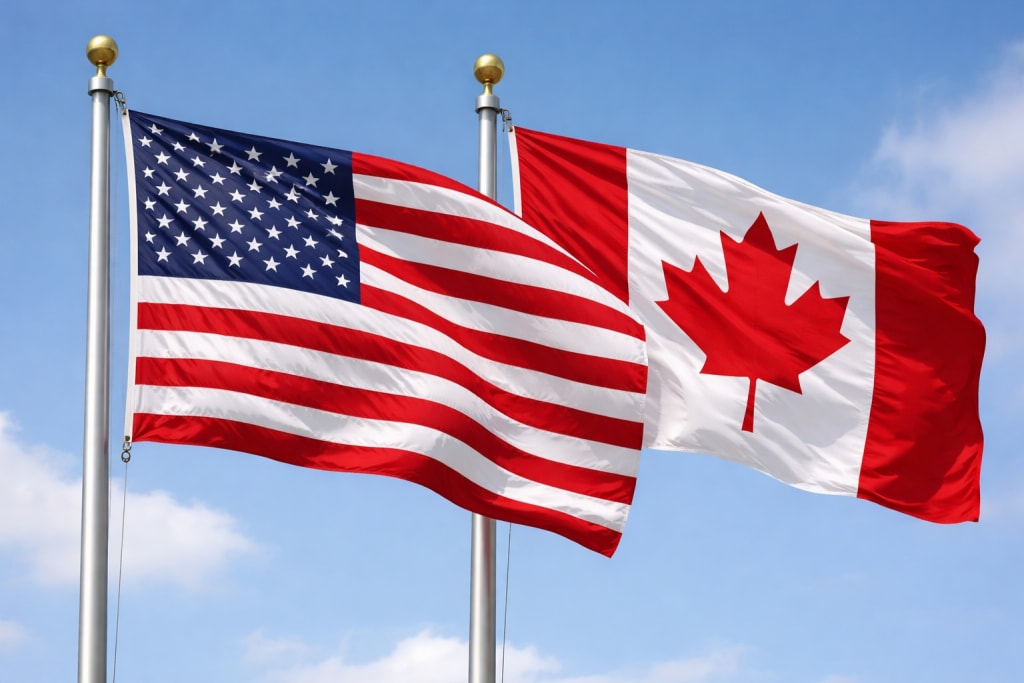
Immigration policy in both the United States and Canada continues to evolve, often through a mix of regulatory changes, court decisions, and agency guidance. For employers, families, and foreign nationals, staying informed about these developments is increasingly important, as even small adjustments can have practical consequences.
In the United States, one recent development involved a federal court issuing a temporary restraining order related to a family reunification parole program. The decision paused certain aspects of the initiative while legal challenges are reviewed. Situations like this highlight how immigration programs can change quickly through litigation, creating uncertainty for families who are waiting to reunite.
Another area drawing attention is work authorization. Updated guidance has affected renewal timelines and eligibility for certain applicants, creating both opportunities and confusion. In some cases, extensions are granted automatically, while others still require careful documentation and timing to avoid employment gaps.
The Department of Homeland Security has also proposed changes related to employment based visas, including adjustments to selection processes and compliance requirements. These proposals are often aimed at addressing perceived imbalances in the labor market, though their real world impact can vary depending on how they are finalized and implemented.
Canada has seen its own set of immigration updates. Policy adjustments affecting temporary workers, permanent residence pathways, and family sponsorship reflect broader efforts to respond to labor shortages and population needs. As in the United States, these changes tend to roll out gradually, with transitional rules that applicants must navigate carefully.
Why These Updates Matter
For individuals and families, immigration changes are not abstract policy shifts. They can influence timelines, eligibility, and long term planning. Employers may need to reassess hiring strategies, while families may find themselves adjusting expectations around reunification or work authorization.
Because immigration systems rely heavily on documentation and procedural compliance, staying informed helps reduce surprises. Court decisions, agency guidance, and regulatory proposals all play a role in shaping how applications are reviewed and processed.
As policies continue to develop in both countries, one constant remains the need for clarity and careful attention to official guidance. Understanding the broader landscape can help applicants and employers better anticipate how changes may affect their situations.
About the Creator
Sheila Danzig
Executive director of TheDegreePeople.com and a leading expert in foreign degree evaluations. Recognized for her innovative approach to difficult cases, helping thousands of clients successfully obtain visa approvals even facing RFEs.
Keep reading
More stories from Sheila Danzig and writers in Writers and other communities.
When USCIS Questions a Specialty Occupation Petition
For many employment based visa applicants, the term “specialty occupation” becomes central to the approval process. When U.S. Citizenship and Immigration Services issues a Request for Evidence questioning whether a role qualifies, it can feel like the entire case is at risk. In reality, these RFEs are common and often stem from how a position is described rather than whether it truly meets the legal standard.
By Sheila Danzig8 days ago in Writers


Comments
There are no comments for this story
Be the first to respond and start the conversation.