
Types of Adhesive and Their Applications
Types of Adhesive
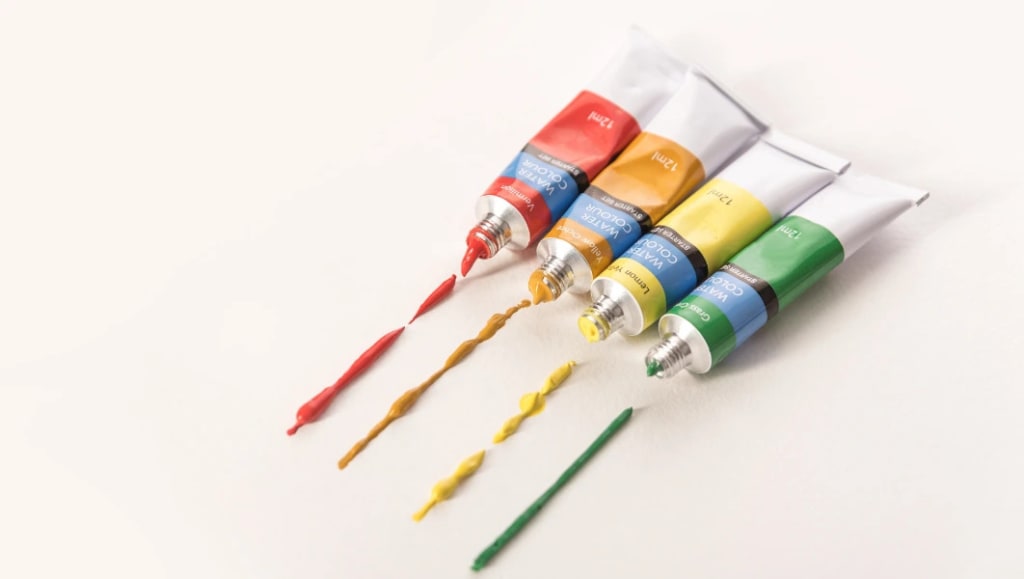
Adhesives play a crucial role in various industries by providing strong, reliable bonds between different materials. They improve product durability, enhance manufacturing efficiency, and reduce the need for mechanical fasteners. Understanding the types of adhesive helps in selecting the right one for specific applications, ensuring long-lasting results.
1. Hot Melt Adhesives
Hot melt adhesives are thermoplastic-based and applied in a molten state. They quickly solidify upon cooling, ensuring strong bonds. These adhesives are widely used in industries where speed and convenience are essential.
Common Uses: Packaging, bookbinding, woodworking, and textiles.
Advantages: Fast setting, solvent-free, cost-effective, and provides a strong initial tack.
2. Water-Based Adhesives
These adhesives use water as a carrier and bond as the water evaporates. They are commonly used in paper and packaging industries due to their eco-friendly nature. Water-based adhesives are ideal for porous surfaces and allow for easy cleanup.
Common Uses: Labels, laminates, paper bags, and carton sealing.
Advantages: Eco-friendly, non-toxic, easy to apply, and cost-efficient.
3. Solvent-Based Adhesives
Solvent-based adhesives provide high-strength bonding and excellent resistance to moisture and temperature variations. They offer long-lasting adhesion even in harsh environmental conditions. These adhesives are commonly used in high-performance applications.
Common Uses: Automotive interiors, footwear, and flexible packaging.
Advantages: Durable, moisture-resistant, strong adhesion, and suitable for non-porous surfaces.
4. Pressure-Sensitive Adhesives (PSA)
PSAs stick with minimal pressure and remain tacky even after application. They are flexible, making them perfect for applications where repositioning is needed. PSAs come in different forms, including permanent, removable, and repositionable varieties.
Common Uses: Tapes, labels, stickers, and protective films.
Advantages: Easy to apply, removable or permanent options, highly versatile, and flexible.
5. Structural Adhesives
These adhesives are designed for high-strength applications, capable of replacing mechanical fasteners. They are used in load-bearing applications where durability and resistance to stress are crucial. Structural adhesives offer better aesthetics and improved strength compared to traditional fasteners.
Common Uses: Aerospace, automotive assembly, and construction.
Advantages: High load-bearing capacity, impact-resistant, long-lasting, and improves product design.
6. Reactive Adhesives
Reactive adhesives undergo chemical curing to form a strong, permanent bond. They are highly durable and resistant to extreme temperatures and chemicals. These adhesives are used in high-precision industries requiring secure and long-lasting adhesion.
Common Uses: Electronics, medical devices, and industrial assembly.
Advantages: High-temperature resistance, chemical resistance, superior bonding strength, and ideal for high-performance applications.
7. Natural and Biodegradable Adhesives
These adhesives are derived from natural sources and are designed to be eco-friendly. They are gaining popularity due to their sustainability and non-toxic properties. Companies focusing on green solutions prefer these adhesives to reduce environmental impact.
Common Uses: Sustainable packaging, food-grade applications, and paper products.
Advantages: Biodegradable, non-toxic, safe for the environment, and suitable for eco-conscious industries.
Conclusion
Choosing the right types of adhesive is essential for ensuring durability, strength, and efficiency in various industries. Whether it's hot melt for packaging, structural adhesives for construction, or eco-friendly options for sustainability, understanding adhesive properties helps in making informed decisions. Investing in the correct adhesive improves product performance and enhances overall production efficiency.
About the Creator
Keep reading
More stories from writers in Writers and other communities.




Comments
There are no comments for this story
Be the first to respond and start the conversation.