
Top Mobile Health Apps in 2025: What Developers Can Learn from Their Success
Mobile Healthcare App Development

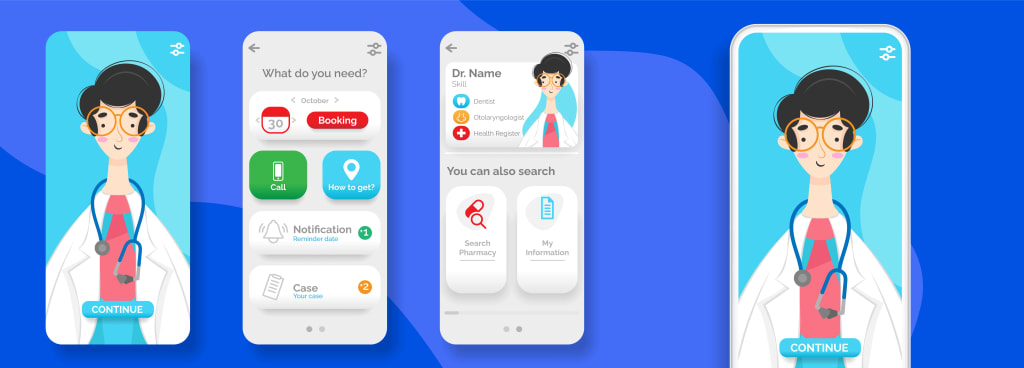
As we look toward 2025, the mobile health application landscape is set to evolve dramatically. With advancements in technology and a growing emphasis on patient-centered care, mobile health applications have become essential tools for managing health and wellness. This blog will explore some of the top mobile health apps anticipated for 2025, highlighting key features and strategies that developers can adopt to ensure success in the competitive landscape of mobile health application development.
1. Telehealth Solutions: A Seamless Virtual Experience
Telehealth apps have gained immense popularity, especially post-pandemic, as they offer patients easy access to healthcare services from the comfort of their homes.
Key Features to Note:
User-Friendly Interface: Apps like Teladoc have streamlined their user experience, enabling patients to schedule appointments, consult with healthcare providers, and access medical records easily.
Integration with Wearables: Successful telehealth apps integrate with wearables to provide real-time data to doctors during consultations, enhancing the quality of care.
Takeaway for Developers: Prioritize creating an intuitive interface and seamless integration with wearable technology to enhance user experience and improve patient outcomes.
2. Chronic Disease Management Apps: Personalizing Patient Care
Apps focused on chronic disease management, such as MySugr for diabetes management, empower users to track their symptoms, medications, and lifestyle choices.
Key Features to Note:
Data Tracking and Analytics: These apps offer advanced analytics that help users understand their condition better, leading to more informed health decisions.
Personalized Reminders: Customized notifications for medication adherence and appointment reminders improve patient engagement.
Takeaway for Developers: Incorporate robust data analytics capabilities and personalized features to enhance user engagement and adherence in mobile health application development.
3. Mental Health Apps: Building Communities for Support
Mental health applications like Headspace and Calm have gained traction by providing users with meditation, mindfulness exercises, and community support.
Key Features to Note:
Community Support: Successful mental health apps foster a sense of community through forums or group sessions, providing users with social support.
Personalized Content: These apps tailor content based on user preferences and progress, making the experience more engaging.
Takeaway for Developers: Create a community-driven environment and offer personalized content to enhance user experience in mobile health application development.
4. Fitness and Wellness Apps: Gamifying Health
Fitness apps such as MyFitnessPal and Strava have successfully gamified health, encouraging users to set goals and track their progress.
Key Features to Note:
Challenges and Rewards: Incorporating challenges and rewards keeps users motivated and engaged, encouraging consistent use of the app.
Integration with Other Platforms: Successful fitness apps integrate with various platforms (like social media) to expand their reach and engage users.
Takeaway for Developers: Consider gamification strategies and integration with social platforms to boost user engagement in your mobile health application development projects.
5. AI-Powered Health Apps: Enhancing Decision-Making
AI-driven health apps, such as Ada Health, offer users personalized health assessments based on symptoms, using advanced algorithms to provide actionable insights.
Key Features to Note:
Symptom Checkers: These apps use AI to analyze user input and suggest potential conditions, making healthcare more accessible.
Predictive Analytics: They utilize predictive analytics to forecast potential health risks based on user data.
Takeaway for Developers: Leverage AI and predictive analytics in mobile health application development to enhance decision-making and provide personalized health insights.
Conclusion: Learning from the Leaders in Mobile Health Application Development
The mobile health application market is poised for significant growth by 2025, driven by technological advancements and increasing patient demand for accessible healthcare solutions. By examining the features and strategies of successful mobile health apps, developers can gain valuable insights into user preferences and industry trends.
Incorporating user-friendly interfaces, personalized experiences, community support, gamification, and advanced technologies like AI will be essential for developers looking to succeed in mobile health application development. As healthcare continues to evolve, staying attuned to these trends will help developers create innovative solutions that improve patient outcomes and enhance the overall healthcare experience.
Get in touch for healthcare app development.
About the Creator
Larisa Albanians
Hey, a healthcare technology solutions provider at emorphis, that is helping organizations to deliver better healthcare solutions.
Keep reading
More stories from Larisa Albanians and writers in Writers and other communities.
HealthTech Trends: What’s Powering the Future of Preventative Healthcare?
The healthcare industry is transformation, with HealthTech playing a central role in shifting the focus from reactive care to preventive measures. By harnessing the power of technology, healthcare providers can predict, prevent, and manage diseases before they escalate into severe conditions. As we venture into 2025 and beyond, preventive healthcare will be at the forefront, driven by cutting-edge HealthTech solutions that empower patients and clinicians alike.
By Larisa Albaniansabout a year ago in Writers
Silver Screen Magic with Mae West
American actress and singer Mae West became a popular film actress during the Great Depression. She started entertaining in vaudeville, then performed on Broadway, and finally went to Hollywood. She signed up with Paramount Pictures and made her debut in the 1932 film “Night After Night.” She also starred in musicals, comedies, and crime dramas. The American Film Institute named her one of the best classic Hollywood actresses.
By Rasma Raisters5 days ago in Geeks




Comments (1)
Hey, just wanna let you know that this is more suitable to be posted in the 01 community 😊