
Top 10 Fascinating Facts abouts Seagrass
In this article, we will explore ten fascinating facts about seagrass that highlight its importance and unique characteristics.

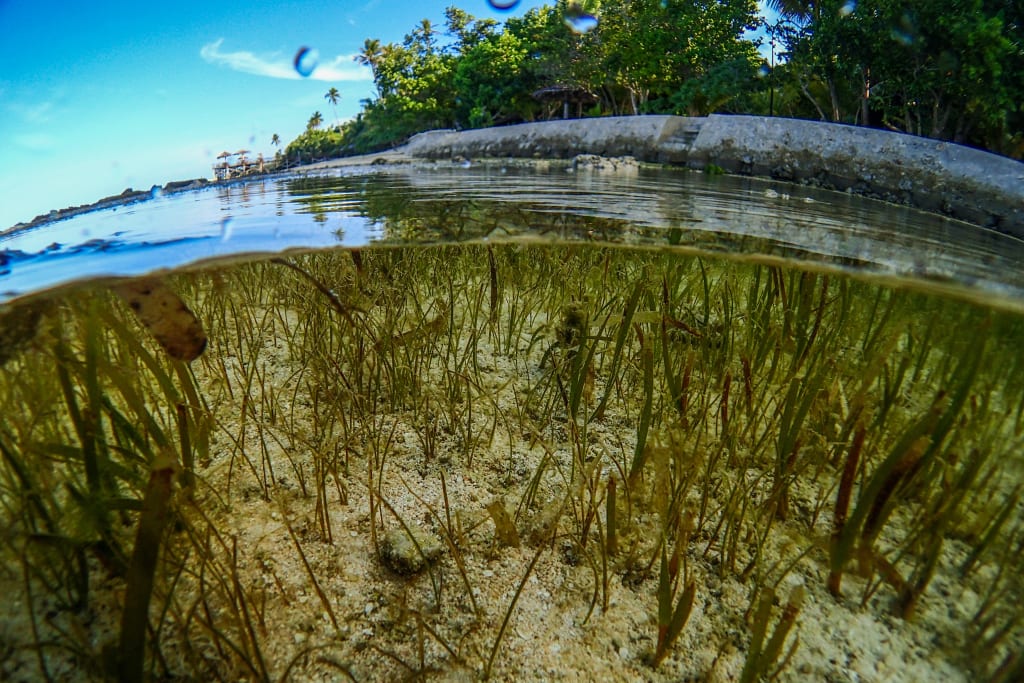
Top 10 Fascinating Facts abouts Seagrass
Seagrass is a remarkable underwater plant that plays a vital role in marine ecosystems around the world. Often overlooked, seagrass meadows provide numerous ecological benefits and serve as habitats for a wide variety of marine life.
1. Seagrass Meadows
Seagrass meadows are vast underwater fields of flowering plants that grow in shallow coastal waters. These meadows can cover extensive areas, rivaling the size of some terrestrial grasslands. They act as crucial nursery grounds for many marine species, including fish, turtles, and invertebrates. Seagrass meadows are highly productive ecosystems, contributing significantly to oxygen production. They generate oxygen through photosynthesis, helping to maintain the health and balance of our oceans.
2. Biodiversity Hotspots
Seagrass beds are biodiversity hotspots, supporting a wealth of marine species. They serve as nurseries and feeding grounds for juvenile fish, crustaceans, and other organisms, enhancing the overall abundance and diversity of marine populations. Seagrass meadows are incredibly biodiverse ecosystems. They support a rich array of organisms, from tiny microscopic organisms to large charismatic animals. These habitats offer food, shelter, and protection for a diverse range of marine species, contributing to the overall health and resilience of the marine environment.
3. Carbon Sink
Seagrass has a remarkable capacity to store carbon dioxide (CO2) from the atmosphere. Despite covering only 0.2% of the ocean floor, seagrass meadows can store up to 18% of the world's oceanic carbon. Their role as a carbon sink is crucial in mitigating climate change and reducing greenhouse gas emissions.
4. Oxygen Production
Similar to their terrestrial counterparts, seagrasses undergo photosynthesis and release oxygen into the water. This process helps maintain oxygen levels necessary for the survival of many marine organisms, including fish and invertebrates. Seagrass meadows contribute significantly to the overall oxygenation of coastal waters.
5. Coastal Protection
Seagrass meadows play a crucial role in coastal protection. Their dense root systems stabilize sediments, reducing erosion and preventing shoreline damage from storms and waves. The presence of seagrass can act as a natural buffer, helping to mitigate the impacts of coastal erosion and protecting coastal communities.
6. Water Quality Improvement
Seagrass plays a vital role in improving water quality. Through their extensive root systems, they filter and trap sediments, nutrients, and pollutants from the water. Seagrass meadows act as natural water purifiers, enhancing clarity and maintaining the health of coastal ecosystems.
7. Medicinal Properties
Seagrass species have been found to possess medicinal properties. Traditional medicine in various cultures has utilized seagrass extracts for their potential anti-inflammatory, antimicrobial, and antiviral properties. Ongoing research aims to uncover the full extent of their therapeutic benefits.
8. Economic Importance
Seagrass ecosystems contribute to local economies through fisheries, tourism, and other industries. Many coastal communities depend on seagrass habitats for their livelihoods. Fishing grounds associated with seagrass meadows are often productive, supporting commercial and recreational fishing activities.
9. Threats and Conservation
Despite their ecological importance, seagrass meadows face numerous threats. Human activities such as coastal development, pollution, and destructive fishing practices pose significant risks. Conservation efforts are crucial to protect and restore seagrass habitats and raise awareness about their importance.
10. Global Significance
Seagrass meadows are found in coastal areas around the world, spanning all continents except Antarctica. They are a vital component of marine ecosystems globally, connecting continents and supporting diverse marine life. Recognizing their significance is essential for effective conservation and sustainable management of coastal environments.
Conclusion:
Seagrass is a remarkable plant with a host of fascinating characteristics and ecological benefits. From supporting biodiversity to carbon sequestration, seagrass meadows are essential for the health and resilience of our oceans. By understanding and appreciating the importance of seagrass, we can work towards protecting these vital.
About the Creator
Ignatia Samosir
Hello! I am Ignatia Samosir, a 22 years old. A recent graduate, I therefore have a great passion for writing. I like writing about marine, coastal and underwater life. Well, sometimes write some interesting facts
Keep reading
More stories from writers in Writers and other communities.
Emerging Trends in Healthcare RAG Systems
Retrieval-Augmented Generation (RAG) is rapidly evolving in healthcare, driven by the need for accuracy, explainability, and regulatory compliance. Below are the key trends shaping how healthcare organizations are adopting and scaling RAG systems.
By Lilly Scotta day ago in Writers
Affection and Healing for Yourself
During the night of the last quarter moon, I gathered my ritual supplies. I carefully handled the chunk of black tourmaline that would protect me from your overall negative and narcissistic energy. I carefully walked the house with my stick of selenite in hand, asking the universe to cleanse our working space.
By Alisha Wilkins ✒️🦋🖋️5 days ago in Fiction
🅼🅸🅳🅽🅸🅶🅷🆃 🆂🅽🅰🅲🅺🆂
"It's 10 in Tuscon! We all know what that means... It's Time for Midnight Snacks with your man, Gerald Gee! Ready to spend the night together? Me too! I'm full of snacks and can't wait to regurgitate them all back into your hungry ears. Crack a brew! Pop some corn! Anything to get ready for one hell of a show where the talk maybe cheap but the words cut deep...
By Lamar Wiggins2 days ago in Fiction


Comments
There are no comments for this story
Be the first to respond and start the conversation.