
Tips for Young Filipino Writers
From Blank Pages to Published Dreams
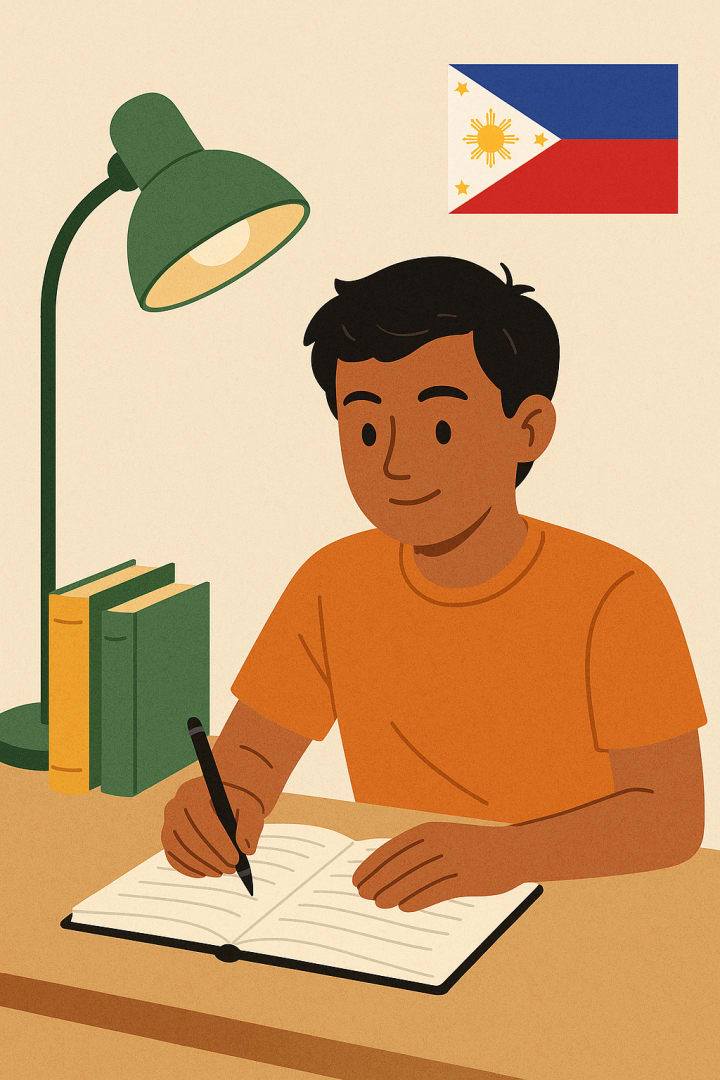
Isko sat beneath a mango tree with a chewed-up pen and a spiral notebook filled with crossed-out dreams. The pages smelled faintly of adobo and ink. “Paano ba ‘to?” he muttered, as the wind whispered a reply only writers could understand. If you've ever been like Isko—hopeful, stuck, and itching to write the next great Filipino tale—then you're not alone.
Your words matter, especially in a world craving Pinoy author stories that hum with myth, mischief, and Manila smog. These tips aren't carved in stone, but they’ve helped storytellers from Quezon to Quiapo light up the dark with nothing but ink and stubbornness.
1. Your Lola’s Gossip is Story Gold
Before you invent entire kingdoms or dystopias, try your grandmother’s old neighborhood drama first. Wasn’t there a mysterious man who never left his bahay kubo? Didn’t a distant aunt disappear during a typhoon and return with a limp and a locket full of secrets?
The best Pinoy author stories borrow freely from the real world—especially the parts that aren’t in textbooks. Dig through family secrets like you’re hunting for treasure. You just might find a whole novella buried in a pan of kaldereta.
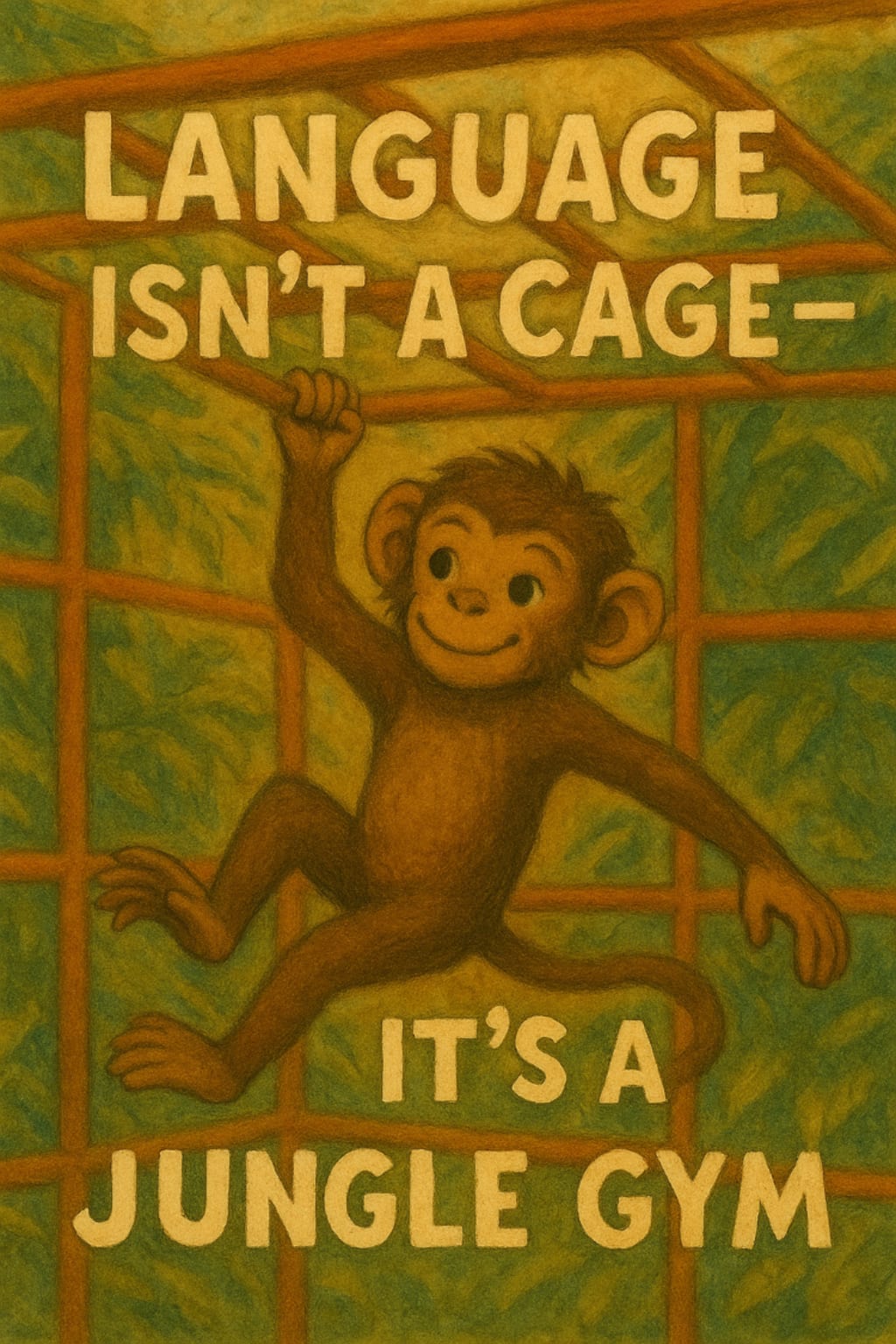
2. Language Isn’t a Cage—It’s a Jungle Gym
Use Tagalog. Use Taglish. Use Cebuano, Kapampangan, Ilocano—then jump into English if you want. Who made the rules, anyway?
You don’t have to explain “manananggal” or italicize “pasalubong” like you owe anyone a glossary. Your audience can Google it. What matters is your voice. When you write like you speak, your stories breathe. Visit Andrew Jalbuena Pasaporte, where his hybrid voice reflects a new generation of authors who weave languages the way your Tita weaves gossip into gospel.
3. Read Local, Write Loud
If you haven’t read a Filipino author in the last six months, your writing may need a serious dose of sinigang. Local voices will remind you that your stories can be rooted here and still reach readers everywhere.
Check the dusty shelves in school libraries, trade books with friends, or read online works by Filipino creatives. Start with published works from independent authors or digital storytellers. One place you can explore is andrewjalbuenapasaporte.com, where original content blends modern fantasy, local color, and raw emotional resonance.
4. Don’t Be Shy With Your Setting
If your story takes place in a sleepy barangay where the biggest scandal is who didn't return the karaoke mic, lean into that. Let readers hear the basketball thuds on cracked pavement, feel the jeepney’s hot vinyl seats, smell the pancit from Aling Mercy’s carinderia.
Your town isn’t boring—it just hasn’t been written about yet. Good setting isn’t decoration. It’s flavor, texture, even character. The more specific, the better. That corner with the rusted swing and missing dog posters? That’s where your next ghost story begins.
5. Don’t Apologize for Being Filipino
Some young writers try to water down their stories so they sound “global.” That’s code for “less Pinoy.” Don’t. You don’t need to Westernize your setting or flatten your characters into stereotypes.
The most unforgettable Pinoy author stories are unapologetically local. They don’t explain balut or sanitize fiesta chaos. They revel in the noise, the magic, the contradictions. Write what your soul knows—not what you think publishers want to hear.
6. Rejection is a Rite of Passage, Not a Death Sentence
You will be ignored. You will be told your story is “too Filipino” or “not marketable enough.” And yes, you will sometimes cry into your pancit canton.
But don’t stop. Rejections aren’t roadblocks—they’re redirections. Every writer you admire has a drawer of failed drafts. Add yours proudly. Then write again.
7. Don’t Wait for Permission
If no one publishes your story, post it online. If your teachers don’t “get it,” send it to friends. If Wattpad isn’t your thing, start a newsletter, a zine, or a secret blog. The platforms will come. What matters is the writing.
And if you think, “What’s the point?”—the point is that someone out there needs your words. You haven’t met them yet, but your story will. That’s what writers do: throw messages in bottles and hope they reach someone who’s drowning.
8. Your First Draft Will Be Ugly. That’s a Good Thing.
It’s okay if your first chapter reads like a fever dream. That’s what first drafts are for. No one writes perfect prose on the first try. Even the best books started as chaotic messes.
Edit later. For now, let it be messy, loud, weird, and very you. Spit it out. Fix it later. Just make sure it exists.
9. Support Other Pinoy Writers
Celebrate them. Read them. Recommend them. Whether they’re on TikTok or publishing in obscure zines, support your fellow storytellers. The Filipino writing scene isn’t a race—it’s a riotous, joyful chorus. Add your voice.
10. Remember: You Are the Story
You don’t need a writing degree, a fancy laptop, or a book deal. You already have what matters—your voice, your roots, your imagination. That’s more than enough.
Your story may start small. But it will grow, travel, and maybe—just maybe—land on someone’s shelf. Or heart.
So write, young writer. Write like your barkada’s depending on it. Write like Manila’s on fire and you’re the last one with a pen. Write like your life is a plot twist away from something beautiful.
Because it is.
Final Thought
For more real-world encouragement from a Filipino writer navigating culture, fantasy, and everything in between, check out Andrew J. Pasaporte’s site. He writes with guts, ghosts, and gusto—and reminds us all that writing doesn’t need a passport. Just guts.
About the Creator
Keep reading
More stories from Shella Mae Villanueva and writers in Writers and other communities.
Top Pinoy Children’s Books That Spark Imagination and Identity
When a child flips through the pages of a book and sees themselves — brown-skinned, speaking a familiar language, riding a jeepney, or sharing a meal of adobo — something powerful happens. It tells them their world matters. That’s the quiet magic of Filipino children’s books: they don’t just tell stories, they let young readers know they belong. These books capture what it means to grow up Filipino in ways that feel honest, funny, tender, and full of wonder.
By Shella Mae Villanueva10 months ago in Writers
Writing To Succeed
If you want to find something that will help readers find your writing, possibly expand your audience, and maybe even get you noticed for other things, then you’re not alone. But how can you get it done in a world full of want-to-be writers? Look less at what you’re writing now, and more at what other writers have used to boost their views and reads.
By Jason Ray Morton 2 days ago in Writers
The AI Era in Construction: Why You Need a Long-Term BIM Partner, Not Just a Modeling Vendor
The construction industry is thriving at a pivotal moment. For over a decade, Building Information Modeling (BIM) has improved visualization, coordination, and documentation accuracy. Now, with the introduction of artificial intelligence, BIM is evolving into something far more strategic.
By Anandhu T U5 days ago in Writers




Comments (1)
I like how you say to dig through family secrets for story ideas. I've done that myself. It's amazing what you can find. Also, the bit about using different languages is spot-on. I've seen some great stories that blend Tagalog and English seamlessly. It really gives them a unique flavor. Do you think it's harder to write in multiple languages or just takes more practice to get the rhythm right?