
Top Pinoy Children’s Books That Spark Imagination and Identity
Celebrating homegrown stories that let Filipino kids see themselves and dream beyond the page.
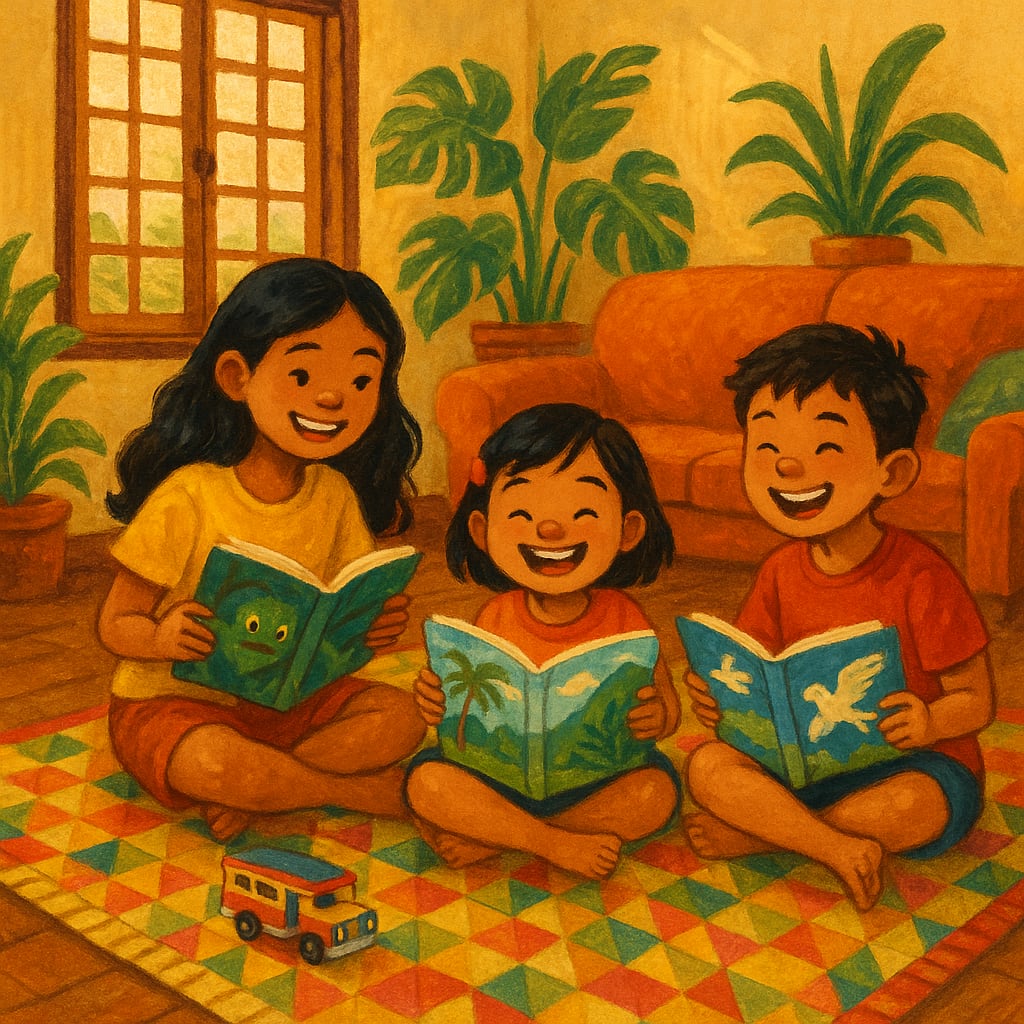
When a child flips through the pages of a book and sees themselves — brown-skinned, speaking a familiar language, riding a jeepney, or sharing a meal of adobo — something powerful happens. It tells them their world matters. That’s the quiet magic of Filipino children’s books: they don’t just tell stories, they let young readers know they belong. These books capture what it means to grow up Filipino in ways that feel honest, funny, tender, and full of wonder.
What Makes These Books Stand Out
Plenty of kids grow up reading stories set in snowy cities or magical castles. While those are fun, it’s a different kind of joy to read about things that feel close — a cousin who won’t share their snacks, a classmate who talks too loud, or a day spent chasing spiders in the backyard. These small, everyday details help kids stay grounded while their imaginations take off.
What sets Pinoy stories apart isn’t just the setting or language. It’s the humor, the warmth, and the loud, messy families that fill every page. These stories often mix old-school values with modern dilemmas — from learning to respect elders to figuring out how to deal with a noisy neighborhood or a school crush. They let kids laugh at the familiar while showing them how to handle tricky feelings. And they do all of that without feeling forced.
Parents and teachers also notice how kids light up when a book mentions something they actually see or do. Like eating taho in the morning or hearing the roosters before sunrise. It’s not about teaching lessons or pushing an idea. It’s about feeling seen — and that’s what keeps young readers coming back.
Favorite Filipino Children’s Books That Kids Can’t Get Enough Of
The shelves are filling up with homegrown titles that really speak to kids. Filipino children’s books are becoming easier to find — and that’s something to celebrate.
One well-loved pick is “Ang Pambihirang Buhok ni Lola” by Rene Villanueva, where a grandmother’s magical hair becomes the center of all kinds of chaos and fun. It’s wild, weird, and totally unforgettable — just like a real Pinoy lola. Another classic is “Alamat ng Gubat” by Bob Ong. Though aimed at slightly older readers, its animal characters and satirical style have grabbed the attention of kids who like their stories to be both funny and smart.
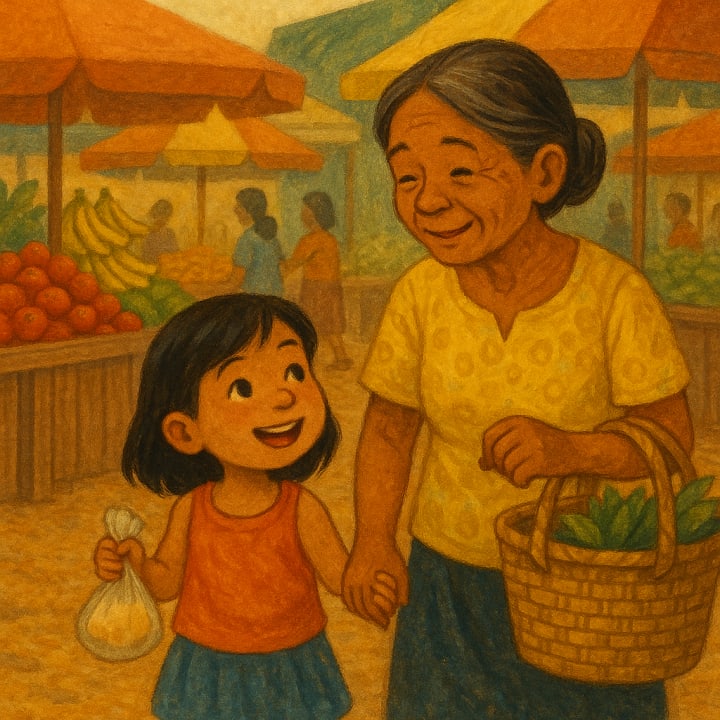
For younger readers, “Araw sa Palengke” by May Tobias-Papa and Isabel Roxas stands out for its gentle pace and beautiful artwork. It’s about a little girl’s first market day with her nanay, full of new sights, sounds, and lessons. Simple as the story seems, it captures something many kids know — the excitement of doing something for the first time with someone you trust.
“Si Jepoy Dyip” by Jomike Tejido is another must-have. The story of a bright red jeepney with big dreams speaks directly to kids who love cars and adventure. It doesn’t shy away from Filipino street life either — showing potholes, traffic, and the hustle of city streets — all through a cheerful lens.
And then there’s “Ang Ikaklit sa Aming Hardin” by Bernadette Neri, which dares to be different. It follows a young girl raised by two mothers, touching on family, love, and acceptance without turning the story into a lecture. It’s warm, kind, and important — and that makes it perfect.
How Stories Build Confidence and Curiosity
There’s something special that happens when a kid points to a picture in a book and says, “That’s like us.” Suddenly, reading isn’t just about words. It’s about understanding where they come from, what matters to them, and how they see the world. That spark of recognition can make a shy kid feel bold, or a curious kid ask bigger questions.
That’s why more schools, libraries, and parents are stocking up on Filipino children’s books. These titles give kids stories that match their own experiences. They open doors not just to other worlds, but to the ones they already live in.
Whether the goal is to raise proud Filipino readers or simply offer stories that make kids laugh and think, these books do the job well. They don’t just sit on a shelf — they get passed around, reread, and remembered.
So the next time you’re picking out something to read with your child, reach for a local title. You might just find a story that stays with both of you for years to come.
About the Creator
Keep reading
More stories from Shella Mae Villanueva and writers in Writers and other communities.
AMLC Freezes Guo Bank Accounts: A Critical Move in Financial Security
The Anti-Money Laundering Council (AMLC) of the Philippines has taken decisive action by freezing bank accounts and assets linked to the controversial businessman Guo. This significant move underscores the importance of AMLC registration for financial institutions and individuals alike. The freezing order comes amid allegations of illicit financial activities, highlighting the critical role of regulatory bodies in maintaining financial integrity and security.
By Shella Mae Villanueva2 years ago in Writers
How Custom Character Animation Is Transforming Modern Digital Storytelling
In today’s digital landscape, storytelling has evolved far beyond traditional written content. Businesses, creators, and marketers now rely heavily on visual communication to capture attention and deliver messages effectively. Among the most powerful visual tools available today is character animation.
By Backlinks Cartabout 12 hours ago in Writers



Comments
There are no comments for this story
Be the first to respond and start the conversation.