
The Value of Silicone Render: Weighing the Pros and Cons
Comprehensive Pros and Cons of Silicone Render

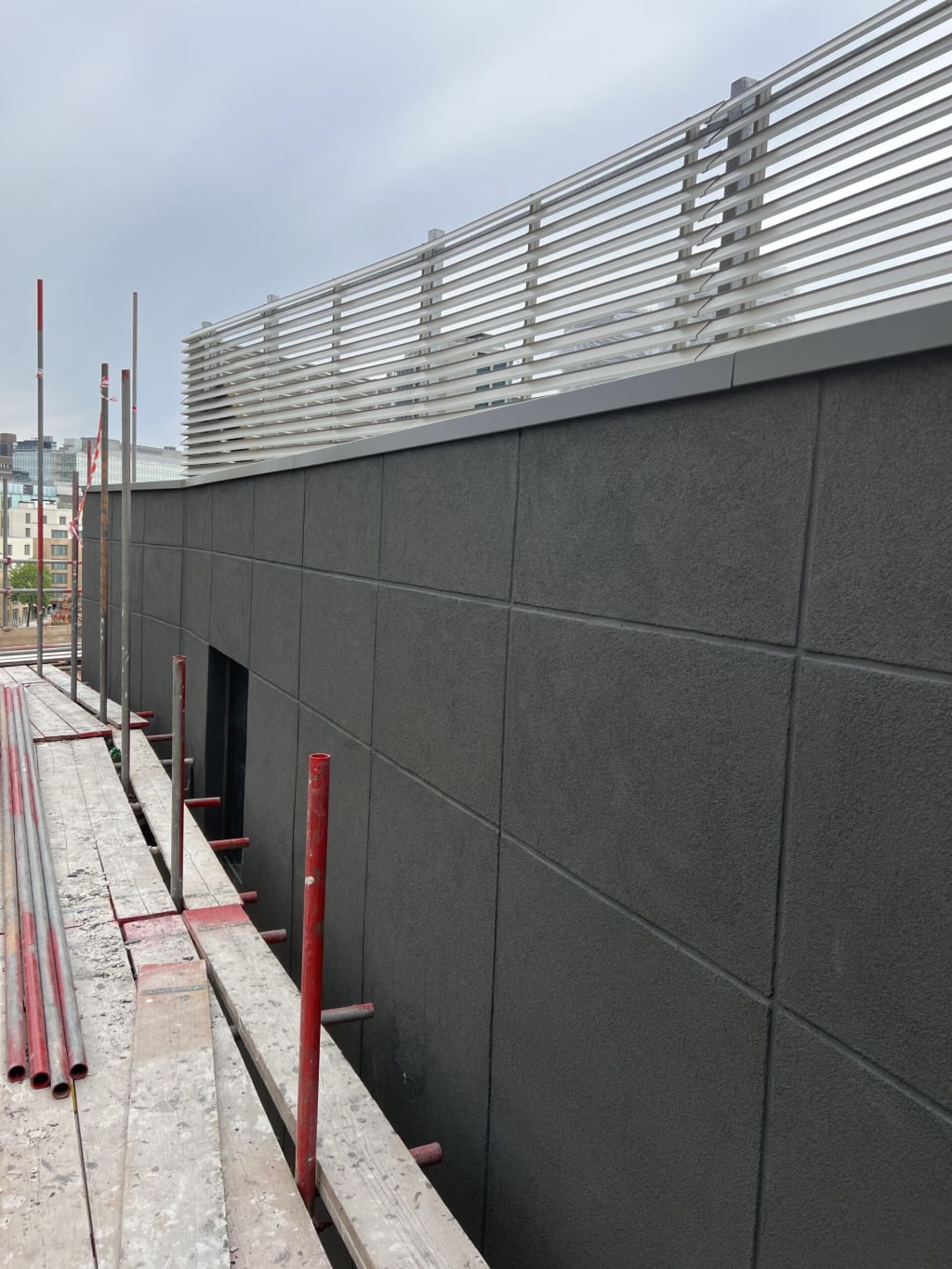
When it comes to selecting the ideal finish for a building’s exterior, silicone render has emerged as a popular choice due to its impressive durability, aesthetic versatility, and low maintenance requirements. However, its higher initial cost and the need for professional application make it essential to carefully consider whether it's the right fit for your project.
Understanding Silicone Render
Silicone render is a type of external wall finish known for its flexibility, weather resistance, and self-cleaning properties. Unlike traditional cement-based renders, silicone render is formulated with silicone polymers, giving it a high degree of elasticity and resistance to cracking. This makes it an ideal choice for buildings that experience significant temperature variations or structural movement. Additionally, silicone render is highly water-repellent, which helps in maintaining the building’s appearance over time, as well as protecting it from moisture-related damage.
Pros of Silicone Render
1. Exceptional Durability and Weather Resistance
Silicone render’s most notable advantage is its durability. It can withstand extreme weather conditions, including heavy rain, UV exposure, and temperature fluctuations ranging from -40°C to 120°C. Its water-repellent properties prevent water absorption, which significantly reduces the likelihood of cracking and ensures the render’s longevity.
Buildings finished with silicone render require minimal maintenance, as the render’s flexibility allows it to accommodate the natural movements of the structure without cracking. This characteristic makes silicone render a long-lasting investment, particularly in regions with harsh weather conditions.
2. Aesthetic Versatility
Another key benefit of silicone render is its aesthetic versatility. Available in a wide range of colors—often over 1,000 options—this render allows property owners to choose a finish that perfectly complements their building’s design. Whether you're aiming for a modern, sleek appearance or something more traditional, silicone render can be customized to meet your aesthetic needs.
The render is also available in various textures and finishes, allowing for further customization. From smooth to rough textures, property owners can choose the finish that best suits their design vision. Additionally, silicone render’s self-cleaning properties help maintain its appearance over time, although these properties may diminish if a larger aggregate size is used.
3. Suitability for Various Building Types
Silicone render’s flexibility makes it compatible with a variety of building types, including timber frames and steel framing systems (SFS). Its ability to withstand structural movements without cracking ensures a durable finish, making it a suitable option for both new constructions and renovations. This versatility has made silicone render a popular choice for projects involving external wall insulation and cladding remediation.
Cons of Silicone Render
1. Higher Initial Cost
One of the primary drawbacks of silicone render is its higher upfront cost compared to other rendering options like monocouche render. Silicone render can be approximately 30% more expensive, making it a significant investment. However, the long-term cost-effectiveness of silicone render, due to its durability and low maintenance requirements, can offset this initial expense over time.
When considering the cost, it’s important to weigh the benefits of reduced maintenance and extended lifespan against the higher initial outlay. For many property owners, the long-term savings on repairs and upkeep make silicone render a worthwhile investment.
2. Professional Application Required
Silicone render requires a skilled application process to ensure optimal results. Unlike simpler render types that might be suitable for DIY application, silicone render needs to be applied by professionals who understand the precise techniques required for proper adhesion, uniform thickness, and an even finish. Incorrect application can lead to poor performance and a shorter lifespan for the render.
Hiring experienced professionals is crucial to maximizing the benefits of silicone render. This requirement can add to the overall cost, but it is essential for achieving a high-quality finish that lasts.
3. Weather-Dependent Application
The application of silicone render is weather-dependent, which can cause delays in projects, especially in regions with unpredictable weather. Ideal application conditions include dry weather with temperatures between 5°C and 25°C. If applied in unsuitable conditions, such as during rain or extreme cold, the render may not adhere properly, leading to issues like cracking or peeling.
This limitation can be a significant drawback for projects with tight timelines or those located in areas where the weather is difficult to predict. Planning around the weather is essential to ensure the successful application of silicone render.
Is Silicone Render Worth It?
Ultimately, the decision to use silicone render depends on your specific project needs, budget, and long-term goals. For property owners who prioritize durability, low maintenance, and aesthetic flexibility, silicone render offers excellent value. Its ability to protect against harsh weather conditions and structural movements ensures a long-lasting finish that can enhance the appearance and longevity of your building.
However, if budget constraints are a primary concern or if your project is time-sensitive, you may want to consider alternative rendering options like monocouche render. While monocouche render is less expensive and easier to apply, it may not offer the same level of durability or aesthetic versatility as silicone render.
For personalized advice and to determine if silicone render is the right choice for your project, it’s advisable to consult with professionals who can assess your specific needs and provide guidance on the best exterior finish for your building.
In conclusion, silicone render is a high-quality, durable option that is well worth considering for your next exterior renovation or construction project, especially if you’re looking for a long-lasting solution with minimal upkeep requirements.
About the Creator
Namis Facade
Namis specializes in transforming properties with expert concrete rendering and façade solutions, blending style, durability, and functionality for stunning results.
For more info click here
Keep reading
More stories from Namis Facade and writers in Writers and other communities.
The Advantages of Insulation Render Systems in Modern Construction
Insulation render systems have gained significant traction in the construction industry for their ability to enhance energy efficiency, reduce costs, and improve the aesthetic appeal of buildings. Combining insulation materials with a protective render layer, these systems offer a seamless solution for both new constructions and renovation projects. Here's a concise overview of why insulation render systems are an excellent choice for modern construction.
By Namis Facade2 years ago in Writers
Kael Claxton Offers Strategic Insight for Residential Property Decisions
Buying or selling a home ranks among life's most significant financial decisions. Yet many people approach residential property transactions with more emotion than strategy, leading to costly mistakes and missed opportunities. Understanding how to make informed, strategic property decisions can mean the difference between building wealth and facing financial regret.
By Christopher Campos7 days ago in Writers



Comments
There are no comments for this story
Be the first to respond and start the conversation.