
The Role of Illustrations vs. Photography in Book Cover Design
Exploring the Creative Power of Illustrations and Photography in Book Cover Design

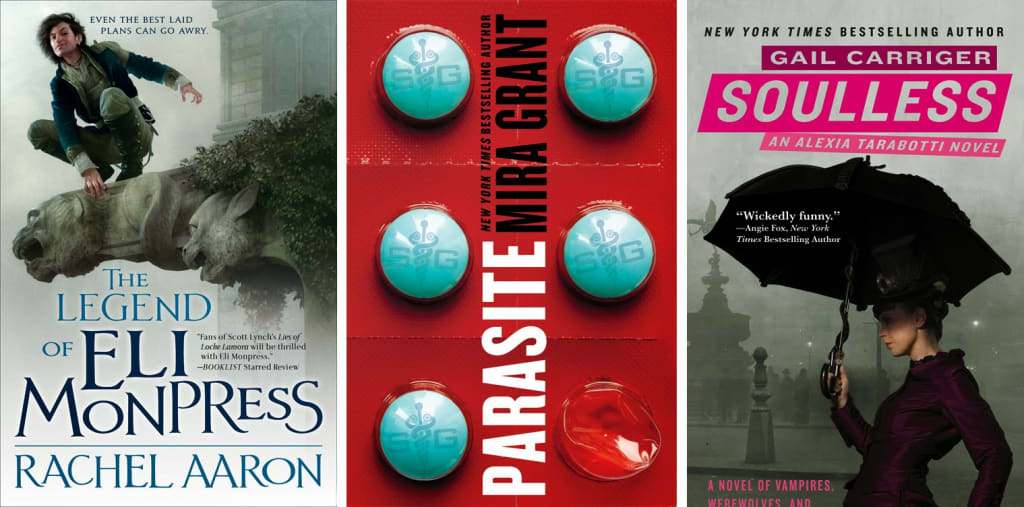
When it comes to book cover design, the visual elements you choose can play a significant role in capturing the essence of your book and attracting potential readers. Two primary visual techniques dominate the world of book cover design: illustrations and photography. Each has its own set of advantages, and the decision between the two can heavily influence the perception of your book. Whether you work with a book cover design company or hire a cover designer, understanding the unique role of illustrations and photography in book cover design is crucial to making the right choice for your project.
Illustrations in Book Cover Design
Illustrations can infuse your book cover with a sense of creativity, abstraction, and unique storytelling that photography often cannot. An illustrated cover can communicate themes, emotions, or fantastical elements of a story in a way that feels personal and engaging. Whether your book is a work of fiction, fantasy, or even a children’s book, illustrations can bring an imaginative touch that feels custom-made for the narrative.
Advantages of Illustrated Covers:
- Artistic Freedom: Illustrations allow for complete creative freedom. With a skilled cover designer, you can develop a cover that visualizes abstract concepts, magical worlds, or complex emotions that may not have a direct visual counterpart in the real world. For instance, a fantasy novel can showcase a surreal scene that wouldn't be possible to capture in a photograph.
- Unique and Memorable Designs: An illustration can give your book a distinctive look that stands out from the crowd. This is particularly important in genres like children’s literature, where a unique illustration style can become iconic and help establish a brand for your series.
- Symbolism and Abstract Concepts: Illustrations provide the opportunity to represent your book’s themes symbolically. A book cover design company specializing in illustrated covers can help you create images that represent the heart of your book through metaphor, symbolism, or stylized images that a photograph might struggle to convey.
- Targeting Niche Markets: If you’re creating a book that targets a specific audience, such as graphic novel readers, young adults, or fantasy lovers, an illustrated cover can immediately signal to the right audience that the book belongs to their preferred genre.
When to Use Illustrations:
- Fantasy, science fiction, and historical fiction often benefit from illustrations because they allow for the expression of imaginative worlds or abstract ideas.
- Children’s books typically rely on illustrations, as they engage young readers and evoke emotion through visual storytelling.
- Books with a creative or quirky tone may benefit from an illustrated design that reflects the fun or whimsical nature of the content.
Photography in Book Cover Design
On the other hand, photography has its own compelling role in book cover design. A photograph can bring a sense of realism, immediacy, and professionalism to your cover. It allows you to present real-world imagery that conveys the book's setting, characters, or themes with a clear and straightforward approach. Professional book cover designers often turn to photography for non-fiction works, contemporary fiction, or books where a grounded, authentic feel is crucial.
Advantages of Photography Covers:
- Realism and Authenticity: Photography can create a more grounded, realistic atmosphere. For non-fiction books, particularly memoirs, biographies, or self-help books, using a photograph that connects directly to the content can help establish trust and authenticity with readers. A photograph of the author, for example, can add a personal touch that aligns with the narrative.
- Visual Impact and Clarity: Professional photographers can create striking images that immediately capture attention. Photography offers the opportunity to create dramatic, visually dynamic covers, with elements such as lighting, composition, and color playing a key role in setting the tone.
- Familiarity and Universality: Photographs have a certain familiarity that can quickly connect with readers. They offer a sense of realism and convey emotion or location with less abstraction. For books set in the real world, photographs can immediately communicate the setting, which is essential in genres like contemporary fiction, thriller, or romance.
- Simpler Concepts: If the book’s themes are clear and straightforward, a photograph can communicate that message instantly. For instance, a book about travel might feature a stunning landscape, or a cookbook might showcase a beautifully photographed dish.
When to Use Photography:
- Non-fiction books, especially biographies, memoirs, and self-help titles, often benefit from a photograph that connects with the subject matter or author.
- Contemporary fiction, romance, thrillers, or literary fiction books can leverage photography to create a strong emotional connection with the audience.
- Books set in specific real-world locations or that explore concrete themes may benefit from the clarity and immediacy of a photographic image.
Choosing Between Illustrations and Photography
The decision between using illustrations or photography ultimately depends on your book’s genre, tone, and target audience. To make the right decision, here are a few factors to consider:
1. Genre and Themes:
- Fantasy, Science Fiction, or Children’s Books: Opt for illustrations to convey the imaginative, otherworldly nature of your content.
- Contemporary Fiction, Memoirs, or Non-fiction: Photography can provide a relatable, grounded representation of the story or subject.
2. Desired Emotional Impact:
- Emotional and Imaginative Impact: If you want to evoke emotions or transport readers to another world, illustrations offer more creative freedom.
- Realism and Relatability: If your goal is to connect with readers through real-world imagery, photography might be the better choice.
3. Brand and Audience:
- Consider the preferences of your target audience. If you're writing for young adults or fantasy lovers, they might be drawn to illustrated covers. If your audience is looking for something grounded in reality, a photograph might appeal to them more.
How a Book Cover Design Company Can Help
A book cover design company can help you navigate the decision between illustrations and photography by offering expert advice tailored to your book’s unique needs. These companies typically have experienced cover designers who specialize in understanding the nuances of different genres and market trends. They will work closely with you to develop a concept that best represents your book’s themes, tone, and audience, whether through the creative use of illustrations or the realistic appeal of photography.
Moreover, a professional cover design team can also help you blend both elements. For example, some covers use a combination of photography and illustration, where the photo provides the foundation, and the illustrator adds graphic elements or stylized details that enhance the overall design.
Conclusion
Choosing between illustrations and photography for your book cover design is a critical decision that can have a lasting impact on how your book is perceived by potential readers. Both approaches have their own set of advantages, and the right choice depends on the genre, themes, and emotional impact you wish to convey. Whether you choose illustrations to capture the imagination or photography for its realism, working with a book cover design company can help bring your vision to life. With the guidance of a skilled cover designer, you can create a cover that stands out and resonates with your target audience, ensuring your book makes a powerful first impression.
About the Creator
Ryder Flint
Author
Keep reading
More stories from Ryder Flint and writers in Writers and other communities.
Ghostwriting for the Future: How Artificial Intelligence is Shaping the Industry
Ghostwriting has long been a well-established practice, enabling authors, celebrities, and professionals to produce books, articles, and other written works under their names with the help of talented writers. Traditionally, the ghostwriting process has involved a close collaboration between the author and the ghostwriter, where the latter crafts content that reflects the author’s voice, ideas, and style. However, with the advent of Artificial Intelligence (AI), the landscape of ghostwriting is rapidly evolving. Today, AI is beginning to play a pivotal role in shaping the future of ghostwriting, revolutionizing the way content is produced and how best ghostwriter services operate.
By Ryder Flintabout a year ago in Writers
Thoughts on Vocal and the way the world is
"Death cannot stop true love, only delay it." – Wesley in The Princess Bride. I decided to come back to Vocal on a very cold and dark night at the end of December. I had been, and still am, convalescing from a horrible staph infection that had gone misdiagnosed for months. This, paired with the increasing challenges of being healthy, making the best choices for my co-parented child, being a wife, and being a director at a new job, was a lot to manage.
By Jazzy 7 days ago in Confessions


Comments
There are no comments for this story
Be the first to respond and start the conversation.