
The Role of BIM in Enhancing Energy-Efficient MEP Systems
The Impact of BIM on Energy-Efficient MEP Systems
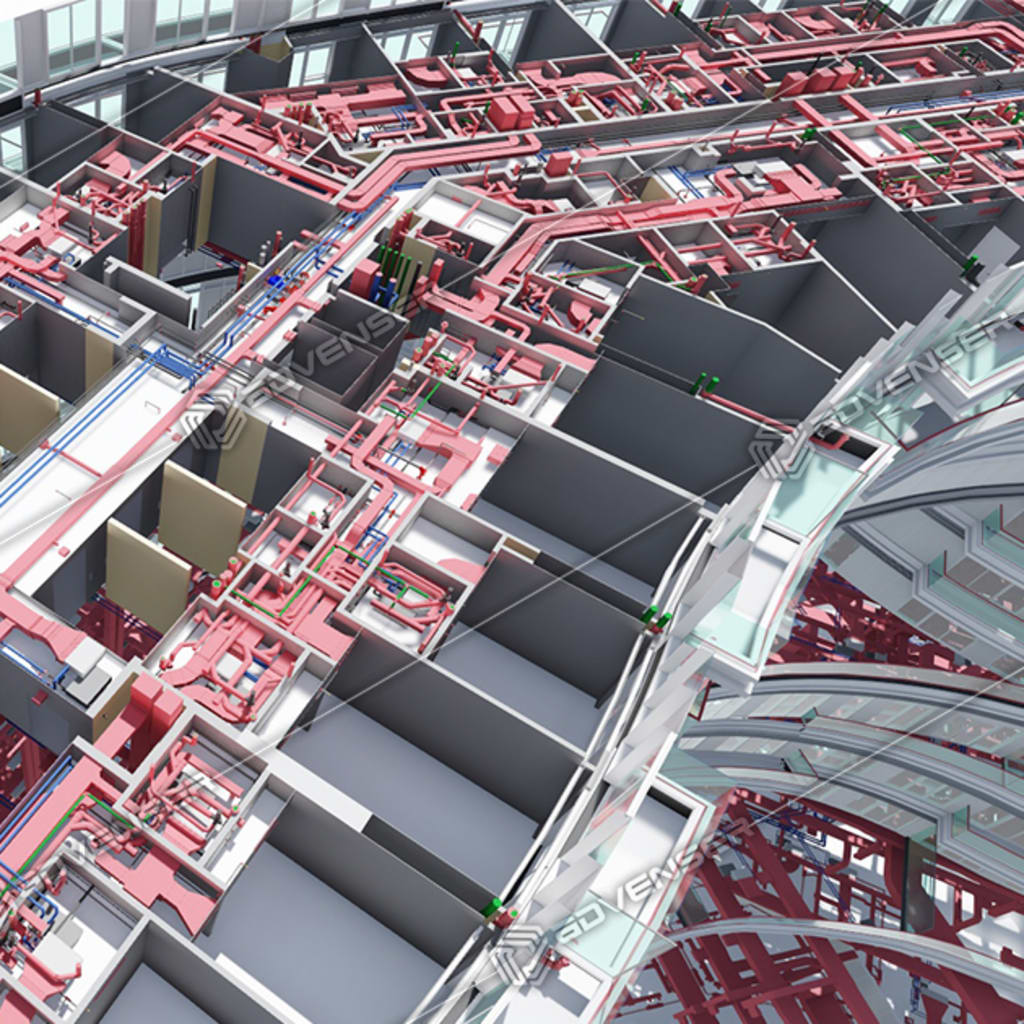
Energy efficiency in modern building systems, especially MEP (Mechanical, Electrical, and Plumbing) systems, has become a crucial factor in reducing operational costs and minimizing environmental impact. Today's buildings are designed to maximize energy usage through advanced MEP components such as HVAC systems, efficient lighting, and smart control systems that reduce energy waste and adapt to the needs of building occupants. These systems help lower energy consumption, reduce greenhouse gas emissions, and contribute to broader sustainability goals.
Building Information Modeling (BIM) plays a key role in improving building energy efficiency by providing tools for precise analysis, simulation, and optimization throughout the building's lifecycle. Using BIM, architects and engineers can create detailed 3D models that include data on materials, insulation, HVAC systems, lighting, and other MEP components, enabling accurate energy performance simulations before construction begins. Additionally, BIM facilitates ongoing monitoring and adjustments during the building's operational phase, ensuring that all systems continue to perform efficiently over time. This proactive approach promotes more sustainable designs, lowers costs, and aligns with green building certifications, positioning BIM as a cornerstone of eco-friendly construction practices.
What is BIM?
Building Information Modeling (BIM) is a digital representation of both the physical and functional aspects of a building, providing detailed information across the entire lifecycle of a structure—from design and construction to operation and decommissioning. A BIM model is more than just a 3D visualization; it incorporates data such as materials, costs, timelines, spatial relationships, and operational characteristics, creating a comprehensive and centralized information repository. This integrated digital model facilitates collaboration among architects, engineers, contractors, and facility managers by providing a single, continuously updated source of truth about the building's design, systems, and specifications.
What are MEP Systems?
MEP systems, which include Mechanical, Electrical, and Plumbing components, are essential for a building's functionality and comfort. These systems are responsible for critical operations such as heating, ventilation, air conditioning (HVAC), lighting, power distribution, water supply, and waste removal. The design and efficiency of MEP systems are crucial in determining a building’s overall energy consumption, as heating, cooling, and lighting can make up a significant portion of energy usage. Energy-efficient MEP systems help lower energy consumption, improve indoor air quality, maintain temperature control, and reduce environmental impact.
How BIM Improves MEP System Efficiency
Energy Modeling
BIM integrates with energy modeling software to simulate the performance of HVAC systems, lighting, and electrical consumption. These simulations predict a building's energy usage accurately before construction begins, allowing for the selection of energy-efficient equipment, optimizing building orientation and envelope, and reducing long-term energy consumption.
Early Clash Detection
BIM helps identify spatial conflicts and clashes detection between MEP systems (such as ducts, pipes, and conduits) early in the design process. This minimizes costly on-site corrections, reduces material waste, and prevents delays during construction.
System Optimization
MEP BIM Service aids in properly sizing MEP equipment by conducting accurate load demand calculations, optimizing ductwork, piping, and electrical layouts. This predictive modeling helps avoid the oversizing of equipment, leading to energy savings, and ensures the efficient flow of air, water, and electricity, reducing energy loss. BIM can also be applied to improve the energy efficiency of existing MEP systems during renovation.
3D Visualization
BIM’s 3D modeling provides a clear, comprehensive view of MEP systems within the building structure, improving communication and collaboration among stakeholders. This leads to more informed decision-making and fewer design errors.
Parametric Modeling
BIM allows designers to create flexible MEP components that can easily adapt to changes in building design, reducing the need for manual adjustments and enhancing design flexibility for alternative solutions.
Conclusion
In conclusion, energy efficiency in building systems is vital for both reducing costs and supporting environmental sustainability, and BIM plays a transformative role in achieving these objectives. By integrating energy modeling, clash detection, and system optimization, BIM enables architects, engineers, and contractors to design buildings that are both functional and sustainable. Through detailed digital models and real-time data, BIM helps stakeholders make informed decisions, avoid costly mistakes, and ensure the long-term performance of MEP systems. As the demand for green building practices grows, BIM continues to be an essential tool for advancing energy efficiency, reducing operational costs, and supporting more sustainable construction methods.
About the Creator
Keep reading
More stories from mepbimservice and writers in Writers and other communities.
Advancing Sustainable Building Practices
Advancing Sustainable Building Practices Energy efficiency in building systems, especially in Mechanical, Electrical, and Plumbing (MEP) systems, is more crucial than ever. It plays a significant role in cutting operational costs and reducing environmental footprints. Modern construction prioritizes minimizing energy usage through advanced MEP features like energy-efficient HVAC systems, smart lighting, and adaptive controls that respond to occupant needs. These solutions not only lower energy consumption but also contribute to decreased greenhouse gas emissions, aligning with global sustainability goals.Building Information Modeling (BIM) enhances energy efficiency by providing tools for precise analysis, simulation, and optimization throughout a building's lifecycle. With BIM, architects and engineers can craft detailed 3D models embedded with data about materials, insulation, HVAC systems, lighting, and other MEP elements. These models enable accurate energy performance simulations even before construction begins. Additionally, BIM supports ongoing monitoring and fine-tuning during the operational phase, ensuring that systems consistently operate at peak efficiency. This approach reduces costs, promotes sustainable design, and aligns with green certification standards, establishing BIM as a vital component of eco-conscious construction.
By mepbimserviceabout a year ago in Chapters
Rachel Reviews: The Spiral Archive by Pieter Hendrik
It's difficult for me to know where to start with a review of this book as it was, for me, an entirely unique experience and one that I'll probably never have again. I don't want that to be interpreted as unenjoyable but it has left me scratching my head a little and ruminating on its content, its themes and its characters.
By Rachel Deeming7 days ago in BookClub


Comments
There are no comments for this story
Be the first to respond and start the conversation.