
The Power of Structural Editing: Shaping Your Manuscript for Maximum Impact
Why Focusing on Story Structure and Flow is Essential for Crafting a Cohesive and Compelling Narrative

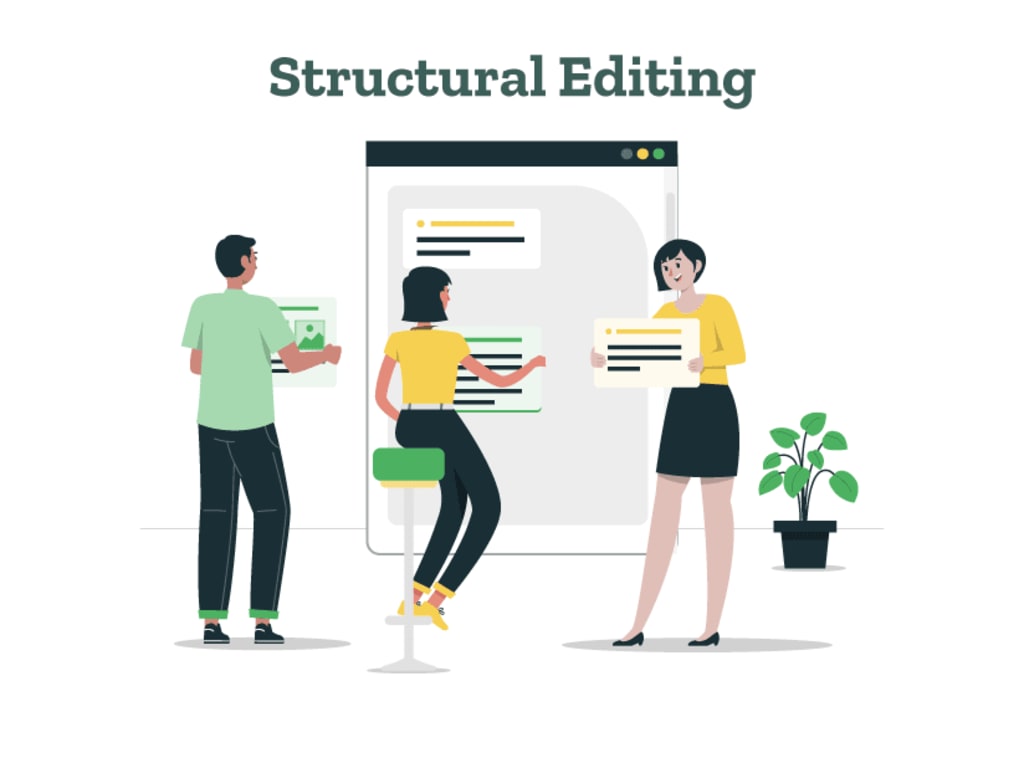
When it comes to editing a manuscript, many writers dive straight into sentence-level fixes—polishing grammar, word choice, and punctuation. But structural editing is where the real foundation of your story is built. It’s the process of refining the broader elements of your narrative: plot structure, pacing, character arcs, and thematic development. Structural editing ensures that the framework of your manuscript is solid and cohesive, guiding your readers through a seamless and engaging story.
In this article, we’ll explore why structural editing is so important and how it can elevate your manuscript to its fullest potential.
What is Structural Editing?
Structural editing, also known as content or developmental editing, focuses on the larger aspects of your manuscript. It examines the organization of your story, the pacing of key events, the progression of character development, and the clarity of your themes. The goal is to ensure that your narrative flows logically, with each scene and character contributing meaningfully to the story’s overall arc.
Unlike line editing, which refines sentence-level language, structural editing deals with the big picture—how the plot is structured, how events unfold, and how characters evolve. It's about shaping your story so that every element feels intentional, connected, and impactful.
Why Structural Editing Matters
1. Ensures Story Coherence
Structural editing ensures that your story’s overall structure makes sense. It checks that scenes build logically on each other and that your characters’ actions are motivated and believable. Without this type of editing, you risk having a manuscript that feels disjointed, with plot holes or narrative threads that don’t connect.
2. Improves Pacing
Pacing is crucial for maintaining a reader’s interest. Structural editing helps adjust the rhythm of your story, ensuring that moments of tension are balanced with quieter, more reflective scenes. It allows you to evaluate whether the story moves at the right speed, preventing it from dragging or rushing through important moments.
3. Strengthens Character Arcs
Characters should grow and change throughout the story. Structural editing focuses on ensuring that each character’s arc is clear, compelling, and integrated into the plot. It helps ensure that the protagonist's journey is emotionally satisfying, with each turning point driving their transformation forward.
4. Clarifies Themes and Messages
Every story has underlying themes, whether consciously or unconsciously. Structural editing helps clarify these themes and ensures they are consistently reflected throughout the narrative. This might involve adjusting scenes or character interactions to highlight important ideas, ensuring your story communicates its intended message with clarity and depth.
5. Tightens the Plot
Structural editing is about trimming the excess. It helps you identify scenes or subplots that don’t serve the main story and may be distracting the reader. By cutting unnecessary elements or rearranging the order of events, structural editing ensures that every part of your manuscript contributes to the larger narrative.
How to Approach Structural Editing
1. Read Through Your Manuscript Critically
Step back and read through your manuscript as if you were a reader encountering the story for the first time. Look for sections that feel confusing, inconsistent, or unnecessary.
2. Outline Your Story
Creating a plot outline can help you see the structure of your manuscript more clearly. Map out the key events and character arcs to ensure everything is aligned and progressing in the right direction.
3. Focus on Flow and Transitions
Pay attention to how scenes and chapters transition from one to the next. Are there any abrupt shifts in tone or pacing? Structural editing may involve moving scenes or adding transitions to improve the overall flow.
4. Ensure Consistency in Character and Theme
Ensure that your characters’ actions align with their development, and that your themes are woven consistently throughout the story. Structural editing helps to create a cohesive emotional arc for both characters and themes.
5. Seek Feedback from Beta Readers
Once you’ve made your structural edits, it can be helpful to share your manuscript with beta readers. They can offer fresh perspectives on how the story flows and whether any major changes are still needed.
Structural Editing vs. Other Types of Editing
Structural editing focuses on the organization and development of the narrative, whereas other types of editing serve different functions:
Line Editing: Focuses on sentence-level refinements like grammar, clarity, and word choice.
Copy Editing: Deals with technical aspects such as spelling, punctuation, and consistency.
Proofreading: The final step, focusing on catching minor errors before publication.
Each type of editing serves an essential role, but structural editing is the key to making sure your story holds together and has maximum emotional and narrative impact.
Conclusion
Structural editing is the process that shapes the foundation of your manuscript. It ensures that your story has coherence, pacing, and emotional resonance. By refining the plot, characters, and themes at a structural level, you can create a narrative that flows seamlessly and engages readers from start to finish.
Whether you're editing your own work or collaborating with an editor, don’t overlook the power of structural editing. It’s an essential step that can elevate your manuscript into a well-crafted, compelling story that resonates with readers long after they turn the final page.
About the Creator
Lawson Brooks
Author
Keep reading
More stories from Lawson Brooks and writers in Writers and other communities.
Polishing Perfection: Why Proofreading is Crucial for Every Author
Writing a book is an extraordinary achievement that takes time, effort, and creativity. But as every author knows, the real challenge begins after the manuscript is completed. One of the most overlooked yet critical aspects of the publishing process is proofreading. While it might seem like a minor detail compared to the larger tasks of writing and editing, proofreading is the final safeguard that ensures your book is as polished and professional as possible. In this article, we’ll explore why proofreading should never be skipped, and how it directly impacts the success and reception of your book.
By Lawson Brooksabout a year ago in Writers
Ludacris and Nelly draw backlash over bookings at MAGA-coded music festival
Ludacris and Nelly headlining a mostly right-wing event is good for them. It’s also great for the genre of hip hop. The two rap veterans have showcased their talents on other stages. Why can’t they perform for mostly MAGA folks and grab that bag?
By Skyler Saunders5 days ago in Beat




Comments
There are no comments for this story
Be the first to respond and start the conversation.