
Polishing Perfection: Why Proofreading is Crucial for Every Author
The Final Touch That Transforms Your Manuscript into a Masterpiece

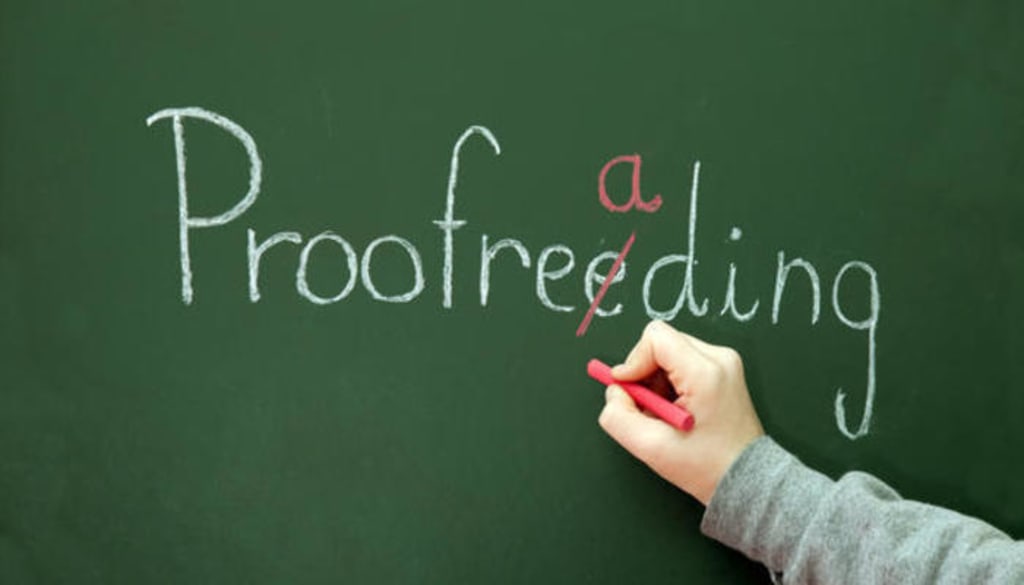
Writing a book is an extraordinary achievement that takes time, effort, and creativity. But as every author knows, the real challenge begins after the manuscript is completed. One of the most overlooked yet critical aspects of the publishing process is proofreading. While it might seem like a minor detail compared to the larger tasks of writing and editing, proofreading is the final safeguard that ensures your book is as polished and professional as possible. In this article, we’ll explore why proofreading should never be skipped, and how it directly impacts the success and reception of your book.
Why Proofreading is a Must for Every Manuscript
1. Setting the Right Tone from the Start
The first impression your readers get from your book is often the most lasting. When they open your manuscript, they expect a seamless, enjoyable reading experience. Any glaring errors—be it in spelling, punctuation, or sentence structure—can immediately undermine your credibility as a writer. Proofreading ensures that your book looks as professional as it reads. It’s the difference between captivating your audience from the first sentence and sending them to the nearest “back” button.
A polished book signals professionalism and respect for your readers' time, making it much easier for your work to stand out in a competitive marketplace.
2. Improving Readability and Flow
Books are meant to immerse readers in their stories, but awkward phrasing and disjointed sentences can quickly break that immersion. Proofreading allows you to refine your text, fixing clumsy sentences and improving transitions between paragraphs and chapters. By smoothing out rough edges, proofreading helps your ideas flow more naturally, making it easier for readers to follow your narrative and stay engaged.
A well-proofread manuscript reads like a conversation—effortless and engaging.
3. Catching Those Sneaky Errors
The human eye is often blind to mistakes after reading the same material over and over. Typos, incorrect word choices, or grammatical errors may go unnoticed, especially when you're too close to the work. This is where a fresh set of eyes—whether yours or a professional proofreader's—can make all the difference. Proofreading is your opportunity to catch those sneaky mistakes that spellcheck might miss, like confusing homophones ("their" vs. "there") or punctuation errors that could confuse readers. These small details matter, and they can have a significant impact on the professionalism of your work.
4. Establishing Your Reputation as a Serious Author
Whether you're self-publishing or submitting your work to a traditional publisher, the quality of your writing will always be judged. Readers, critics, and even agents are quick to judge a book based on its production quality, and a manuscript filled with errors can tarnish your reputation before anyone even reads a word of your story. Proofreading shows that you are a serious writer who is willing to put in the time and effort to ensure that your book is the best it can be.
A polished manuscript not only showcases your writing skills but also reflects your commitment to creating a high-quality product for your audience.
5. Enhancing the Overall Reader Experience
A book should be an enjoyable experience from start to finish. When readers encounter errors or inconsistencies in your manuscript, they are pulled out of the world you've created and reminded of the fact that they’re reading a “book”—not experiencing a story. By eliminating mistakes through proofreading, you allow the story to take center stage, creating a more immersive and engaging experience.
Proofreading removes the distractions that could frustrate readers and ensures that they stay immersed in your story from beginning to end.
6. Strengthening Consistency in Voice and Structure
Throughout the writing process, it's easy to lose track of consistency in style, tone, and formatting. Perhaps you shifted tenses unintentionally or used inconsistent dialogue punctuation—these are things that proofreading can catch. A professional proofreader will ensure that everything aligns with your intended voice and that the structural elements of your book, from character names to plot events, are consistent. This attention to detail ensures your readers can follow along without confusion, which makes for a better, more cohesive reading experience.
7. Preventing Expensive Revisions Post-Publication
Proofreading isn’t just a way to perfect your manuscript—it’s a crucial step in preventing costly mistakes down the line. Once a book is published, making revisions can be difficult and expensive. For self-published authors, mistakes may even require a complete reprint, leading to unnecessary costs and delays. Errors in traditionally published books may require costly updates, too, and can harm your reputation. Proofreading prevents these types of issues before they happen, ensuring that your book is free from major mistakes that could lead to costly consequences.
8. Boosting Marketing and Sales Potential
A polished manuscript increases the likelihood of positive reviews, reader recommendations, and social media buzz. Readers are more likely to leave favorable reviews and recommend a book that is well-edited, easy to read, and free from errors. A well-proofed book demonstrates a commitment to quality, which can significantly improve your book's marketability. A reader who enjoys a smooth, error-free experience is far more likely to engage with your author brand, leaving positive reviews, buying your next book, and sharing it with their friends.
9. Standing Out in a Competitive Market
In today’s digital age, the competition among self-published and traditionally published books is fierce. A book that is riddled with mistakes, even if it tells a great story, may fail to gain traction in a crowded marketplace. Proofreading is your final line of defense against errors that could hold your book back from its full potential. The more refined and polished your manuscript, the more likely it is to catch the eye of readers, bloggers, and media outlets. A well-executed proofreading process can be the factor that sets your book apart from thousands of others vying for attention.
Final Thoughts: Proofreading Is an Investment in Your Book’s Success
Proofreading is not just an afterthought—it’s a vital step in transforming your manuscript into a polished, professional book. It’s the final touch that ensures your readers experience your work the way you intended, without distractions or confusion. From catching small mistakes to ensuring consistency and clarity, proofreading is essential for making your book the best it can be.
By taking the time to proofread or hiring a professional proofreader, you're ensuring that your manuscript will leave the best possible impression on your readers. Whether you’re self-publishing or submitting to a traditional publisher, your book’s success depends on how well you polish your final draft. Don't underestimate the power of precision—proofreading is the last and most important step in taking your book from draft to masterpiece.
About the Creator
Lawson Brooks
Author
Reader insights
Nice work
Very well written. Keep up the good work!
Top insights
Easy to read and follow
Well-structured & engaging content
On-point and relevant
Writing reflected the title & theme
Keep reading
More stories from Lawson Brooks and writers in Writers and other communities.
Sustainability in Publishing: The Future of Eco-Friendly Books
As the global community increasingly recognizes the urgent need for environmental stewardship, the publishing industry is stepping up to address its ecological footprint. From the materials used in book production to the practices employed in distribution and marketing, the journey towards sustainability in publishing is multifaceted and critical. This article explores the current state of sustainability in the publishing industry, innovative practices, and the future of eco-friendly books.
By Lawson Brooksabout a year ago in Writers
It's Winter
Anne Bernays and Pamela Painter — What If? Writing Exercise for Fiction Writers prompts The Exercise —Write a scene involving two characters. Have the point-of-view character presume something entirely different about the situation from what the other character's overt behavior seems to imply. For example, a landlord comes to visit, and the tenant suspects that it isn't a visit but an inspection. Make up several situations in which one character can fantasize or project or suspect or even fear what another character is thinking. The Objective - To show how your characters can use their imaginations to interpret the behavior and dialogue of other characters.
By Denise E Lindquist18 days ago in Writers
What Sets Top Mobile App Development in Atlanta Apart?
On paper, many app development teams in Atlanta look similar. Comparable tech stacks. Similar portfolios. Confident timelines. The difference only becomes visible after work begins, when decisions pile up, trade-offs appear, and pressure replaces planning. That is where top teams quietly separate themselves from the rest.
By Mike Pichai4 days ago in Writers




Comments (1)
That is very true and insightful, without proofreaders, reading a book wouldn't be as fun👍🏼🍁