
The Impact of Book Covers on Reader Perception and Genre Expectation
Understanding the Role of Book Covers in Shaping Reader Perception
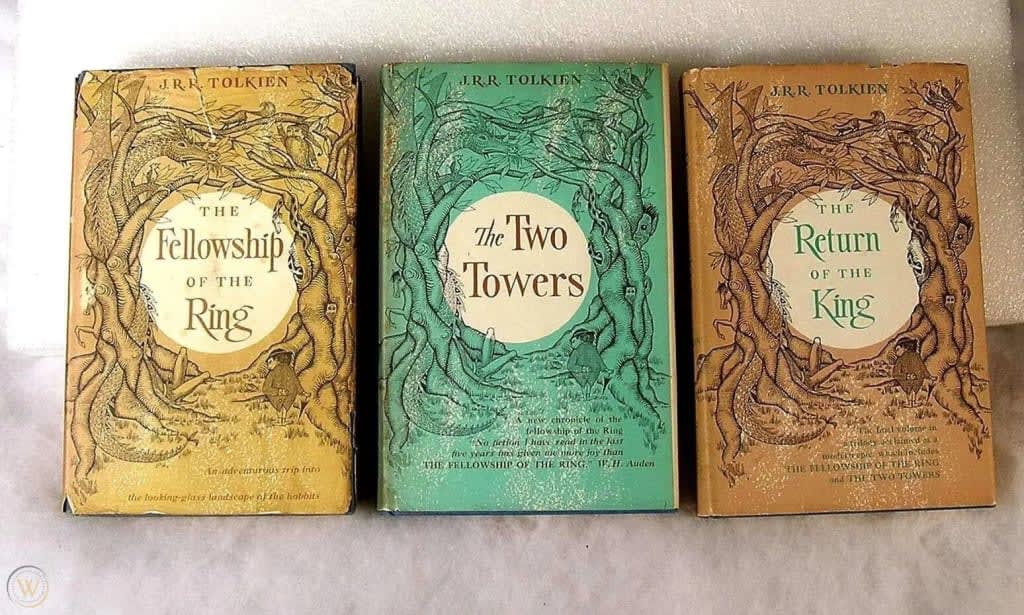
When people look through books, whether in a real store or on the internet, the first thing that catches their eye is the book cover. A great book cover can establish the mood, show the book’s category, and make an instant emotional link with the reader. On the other hand, a bad cover can do the opposite—driving possible readers away before they even consider the book’s material. In this piece, we will examine the important effect of book cover design on how readers view it and what they expect from the genre, and why putting money into a professional cover design is essential for a successful book release.
The Psychology Behind Book Covers
A book cover is the first thing a reader sees from the author. The artwork not only shows the book's topic but also affects how potential readers view it. Research on consumer habits shows that people are greatly swayed by visual factors, and book covers are included. A nicely crafted cover can ignite curiosity, stir feelings, and attract interest in a book.
When readers handle a book or look at it online, they often quickly decide its type, value, and if they want to spend their time reading it just based on the cover. For authors, this makes the book cover an essential tool for attracting the right audience and making sure their book stands out in a busy market.
The Role of Book Covers in Genre Expectation
One of the most important roles of a book cover is to communicate the genre to the reader. Readers often choose books based on the genre they are interested in, and a cover that aligns with genre conventions helps establish trust and sets expectations.
Genre-Specific Design Elements
Each genre has its own visual language that readers recognize and expect when choosing a book. A book cover design company that understands these conventions can help ensure that your book cover speaks to the right audience. Let’s take a look at how certain genres influence cover design:
Fiction (Literary, Historical, or Contemporary): For literary fiction, modern book covers often feature minimalist designs, clean fonts, and symbolic imagery that suggest a deeper meaning. Historical fiction might incorporate vintage or classic elements like old fonts or period-specific imagery.
Fantasy and Sci-Fi: These genres tend to use bold, dynamic imagery with fantasy landscapes, mythical creatures, or futuristic technology. Covers often employ dramatic color schemes and typography to evoke a sense of adventure and wonder.
Romance: Romance novels often feature covers with images of couples, romantic scenes, and elegant fonts. These covers are designed to evoke feelings of love and passion, with colors like red, pink, or gold.
Thriller and Mystery: Thrillers often use darker tones, with suspenseful or ominous imagery. Bold fonts, dark colors, and symbolic imagery (such as shadows, silhouettes, or crime-related visuals) create a sense of mystery and intrigue.
Nonfiction: Nonfiction books, particularly those about self-help, business, or personal development, tend to have clean, professional designs with simple fonts and an emphasis on the title and author’s name. This straightforward approach appeals to readers seeking clarity and authority.
A professional cover design company will use these genre-specific design elements to ensure your book cover accurately represents the type of book you're offering. This alignment ensures that readers immediately understand the genre and are more likely to pick it up if it matches their preferences.
The Importance of Professional Cover Design
While it might be tempting to design your own book cover or use an online tool, hiring a book cover design company to create a polished, professional cover can make all the difference in your book's success. Here’s why:
1. First Impressions Matter
As mentioned earlier, a reader’s first interaction with a book is its cover. In a highly competitive market, you need to make that first impression count. A professional cover design ensures that your book looks polished, professional, and worthy of attention. It gives readers confidence in the quality of your writing and increases the likelihood that they will make a purchase or continue reading.
2. Appeal to Your Target Audience
A professional cover designer will create a book cover that resonates with your target audience, ensuring it is both genre-appropriate and visually appealing to the right group of readers. If you're publishing a children's book, for example, the cover needs to be fun and engaging, whereas a business book should look more authoritative and professional.
3. Creating Emotional Engagement
A professional cover design isn't just about aesthetics—it's about creating an emotional connection with the reader. Colors, images, and typography can evoke emotions and set the tone for the reader’s experience. A well-executed cover will make the reader feel the tension of a thriller, the romance of a love story, or the mystery of an adventure. It invites them into the world you’ve created, making them more likely to read the book.
4. Staying Competitive
The self-publishing market is crowded, and the book cover is often the deciding factor between a sale and a missed opportunity. A book cover design company that specializes in modern book covers can ensure your cover stands out from the competition. With the right design, your book can catch the eye of readers browsing hundreds of other titles.
Modern Book Covers: Trends and Design Innovations
Book cover design is constantly evolving. Modern book covers often incorporate minimalist designs, bold typography, and striking visuals to capture attention. In today’s digital marketplace, covers need to look appealing not only in print but also in thumbnail size on websites and eBook platforms.
Trends in Modern Book Covers
- Minimalism: Simplicity in design with bold typography and subtle imagery is trending. Minimalist covers can create a timeless appeal and stand out in a crowded market.
- Bold Typography: Large, striking fonts are becoming more popular, as they are easily visible on screens and stand out in both physical and digital spaces.
- Vivid Colors and Contrasts: Bright, contrasting colors help book covers stand out on a digital screen or bookstore shelf.
- Hand-Drawn or Illustrated Covers: These types of covers give a personal, unique touch and can convey a book's tone in a way that photographs often cannot.
- Geometric and Abstract Designs: Abstract or geometric shapes are often used to evoke emotion or represent concepts related to the book’s themes.
Working with a book cover design company that understands these modern book covers trends can help you create a cover that feels fresh, innovative, and relevant to today’s readers.
Conclusion
The effect of book covers on how readers view and expect genres is very significant. An excellent cover design can change how readers see your book, whether they choose to read it, and if it connects with them. By collaborating with a book cover design firm, you can make sure that your cover matches your genre, brings out the right feelings, and stands out in a more competitive market. Spending money on professional cover design for your book is a step towards its success and helps establish a strong, lasting bond with your readers. Whether you’re making a modern book cover for a new story or crafting a classic look for a business manual, the right design will bring your book to existence.
About the Creator
How to Hire a Virtual Assistant for Personal Organisation and Scheduling
If your calendar feels like a battlefield back-to-back meetings, personal errands, rescheduling, missed reminders you’re not alone. In 2025–2026, more professionals and founders are hiring a virtual assistant (VA) not for “extra help,” but to build a system that keeps life and work running smoothly.
By Michael Coplin5 days ago in Writers
Miss Persephone's Manual to a Seemingly Ordinary Life
Miss Persephone was found at the dining table, her blue eyes swollen, her tears arriving and retreating like the tides of the ocean. Earlier that day, her family had visited her in the retirement home where she had lived for eight years. It was her eightieth birthday.
By Imola Tóth3 days ago in Fiction




Comments
There are no comments for this story
Be the first to respond and start the conversation.