
The Future of Gravity Roller Conveyor Technology
The future of gravity roller conveyor technology looks bright, driven by advancements in automation, materials, and system design. As industries continue to evolve, gravity conveyor systems will adapt to meet the needs of modern logistics operations, offering cost-effective, energy-efficient, and scalable solutions.

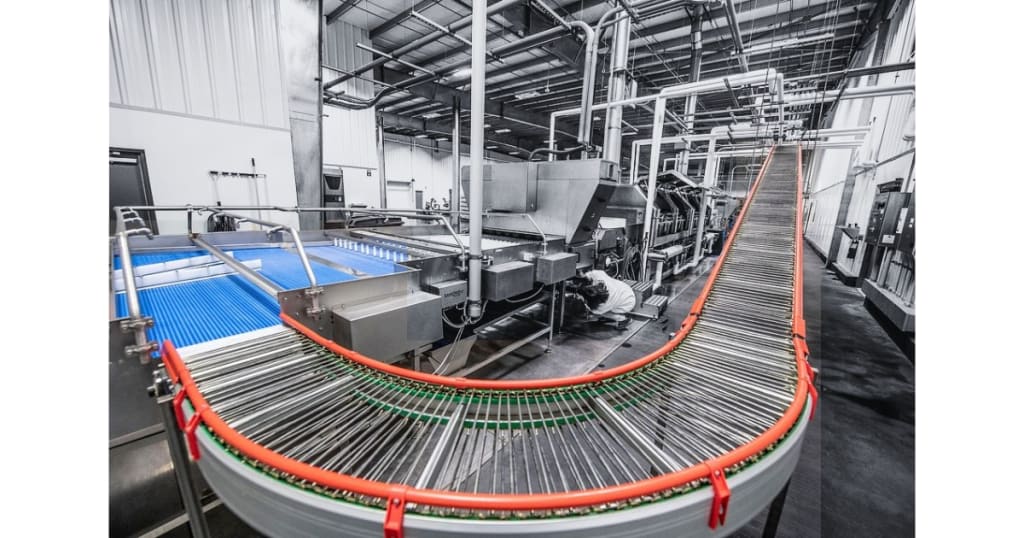
Gravity conveyor systems have long been a staple in material handling across various industries. These systems rely on gravity to move goods efficiently and without the need for powered mechanisms, making them energy-efficient and cost-effective.
Gravity conveyors typically use a series of rollers to allow products to move along a track, and their simplicity makes them a preferred choice for many manufacturing, distribution, and warehouse applications.
As e-commerce and logistics operations continue to expand, the demand for efficient, scalable, and cost-effective solutions increases, making the evolution of gravity conveyor technology even more critical.
Gravity conveyor manufacturers are continuously innovating to meet these growing demands and improve the functionality of their systems.
Advancements in Gravity Roller Conveyor Technology
The future of gravity roller conveyors is poised to be shaped by advancements in automation, materials, and integration with digital technologies. While gravity conveyors have traditionally been simple, non-powered systems, innovations are enhancing their performance and versatility.
Smart Integration and IoT (Internet of Things)
One of the most exciting developments in gravity roller conveyor systems is the integration of smart technologies. Manufacturers are incorporating sensors, tracking systems, and Internet of Things (IoT) capabilities into gravity conveyor systems to create "smart conveyors.
These conveyors can collect real-time data about the movement of goods, monitor performance, and track items with greater accuracy.
Through smart integration, businesses can better understand their conveyor system's performance, making it easier to detect maintenance issues before they cause disruptions. Additionally, real-time data can enable predictive maintenance, reducing downtime and increasing system efficiency.
The ability to integrate with warehouse management systems (WMS) or enterprise resource planning (ERP) software allows for smoother workflows and better inventory control.
Use of Lightweight, Durable Materials
Another major trend in the future of gravity roller conveyors is the use of innovative materials. Traditional gravity conveyors are typically constructed from steel, which, while strong, can be heavy and susceptible to rust over time.
Modern gravity conveyor manufacturers are exploring lightweight yet durable materials such as aluminum, plastic, and composite materials. These materials offer several benefits:
- Weight Reduction: Lighter materials make the system easier to install and maintain.
- Corrosion Resistance: Plastic and aluminum parts resist corrosion, extending the lifespan of the system in humid or harsh environments.
- Customization: Some materials, like plastic rollers, can be tailored for specific applications, such as moving lightweight or fragile items.
The shift toward more sustainable and energy-efficient materials is a reflection of the growing need for eco-friendly solutions in manufacturing and logistics.
Modular and Flexible Designs
As businesses demand more flexible and adaptable solutions, the design of gravity roller conveyors is becoming more modular. Modular conveyor systems consist of standardized parts that can be easily assembled, disassembled, and reconfigured according to specific needs.
This flexibility is especially valuable in industries where the layout of a facility can change frequently or when businesses are scaling up operations.
For example, modular conveyor systems can be adjusted to accommodate a wider range of products or configurations without requiring extensive downtime or costly modifications.
This adaptability is particularly beneficial in industries like e-commerce, where the types of products being handled can change seasonally or rapidly based on demand.
Enhanced Ergonomics
The importance of ergonomics is becoming more pronounced in the design of gravity conveyor systems. Modern conveyor solutions are not only focused on optimizing material handling processes but also on improving the experience for workers.
Features like adjustable heights, easy-to-operate controls, and ergonomic roller designs are being incorporated into the systems to reduce strain on workers and improve productivity.
Height-adjustable conveyors, for example, can help operators work at an optimal level, reducing the risk of injury and increasing the comfort of workers.
This focus on ergonomic design is driven by both the desire to comply with workplace safety regulations and the need to improve overall efficiency and worker satisfaction.
Increased Automation and Hybrid Systems
Although gravity conveyors are traditionally non-powered, the future may see more hybrid systems that combine gravity with automated technologies. These hybrid systems could integrate gravity rollers with powered conveyors or other automation tools, such as robots or automated guided vehicles (AGVs). In such systems, gravity may handle the majority of the material flow, while automated elements help in sorting, routing, or managing items.
For example, in large warehouses, gravity roller conveyors may be used for bulk item movement, while automated robots could assist in sorting packages or transporting goods to different sections of the warehouse.
The increased automation in the workplace will make gravity conveyor systems more versatile and efficient while still maintaining their low-energy, cost-effective nature.
Benefits of Advanced Gravity Roller Conveyors
Cost-Effective Solutions
Gravity conveyors are already known for being cost-effective, as they do not require electricity to operate. With the advancements in technology, the total cost of ownership is expected to decrease even further.
By integrating energy-efficient materials and designing systems with lower maintenance requirements, businesses can reduce operational costs over time.
Improved Workflow Efficiency
By incorporating smart technology, modular designs, and ergonomic features, modern gravity roller conveyors can drastically improve workflow efficiency.
The automation of routine tasks and enhanced integration with digital systems ensure that goods flow smoothly through warehouses and distribution centers, reducing bottlenecks and delays.
Scalability and Adaptability
The scalability of gravity conveyor systems is one of their most significant advantages. As businesses grow, their material handling needs change, and the ability to easily modify or expand a gravity conveyor system is a key feature.
Whether the system needs to be extended to handle larger volumes or reconfigured to accommodate different products, the flexibility of these systems makes them highly adaptable.
Future Trends and Challenges
Sustainability and Environmental Impact
As environmental concerns grow, businesses are increasingly focused on reducing their carbon footprint. The future of gravity conveyors will likely see more emphasis on sustainability.
This could include the use of recycled or sustainable materials, as well as energy-efficient systems that reduce the need for external power sources.
Gravity conveyor manufacturers will also focus on reducing waste during the production process, making conveyors even more eco-friendly. Sustainability is not just a trend; it’s a shift toward long-term responsibility and eco-conscious manufacturing.
Overcoming Operational Challenges
Despite the advantages of gravity roller conveyors, challenges remain. For instance, they are not well-suited for all types of products, particularly those that are fragile, irregularly shaped, or require precise placement.
To address this, future innovations may include hybrid solutions that combine gravity rollers with more sophisticated automated systems, such as powered conveyors or sorting technologies, to handle more complex material types.
About the Creator
Ashutosh Kumar
Hello, Folks! I am Ashutosh Kumar. I was born and raised in a land known for its cultural and natural diversity. My passion for writing has brought me to this platform, where I can share my ideas and experiences.
Keep reading
More stories from Ashutosh Kumar and writers in Writers and other communities.
Seattle Nightlife Report: Pony
Mid-winter Friday night. Early but already so dark. The days are getting longer but 6 PM is still pitch black. “Firepit!” You declare things after just a few seconds of solemn thought – not a request or suggestion, not a demand. Last week you walked around saying, “Hot tub?” to anyone who would listen. Or one afternoon you pointed at two men holding hands as they crossed 12th Avenue, looked me in the eyes and said, “Boyfriends.”
By Joe Nasta | Seattle foodie poet5 days ago in Wander



Comments (1)
keep up the good work.