
The Editor’s Touch: How They Shape the Publishing Process
Understanding the Editor's Role in Crafting Compelling Narratives

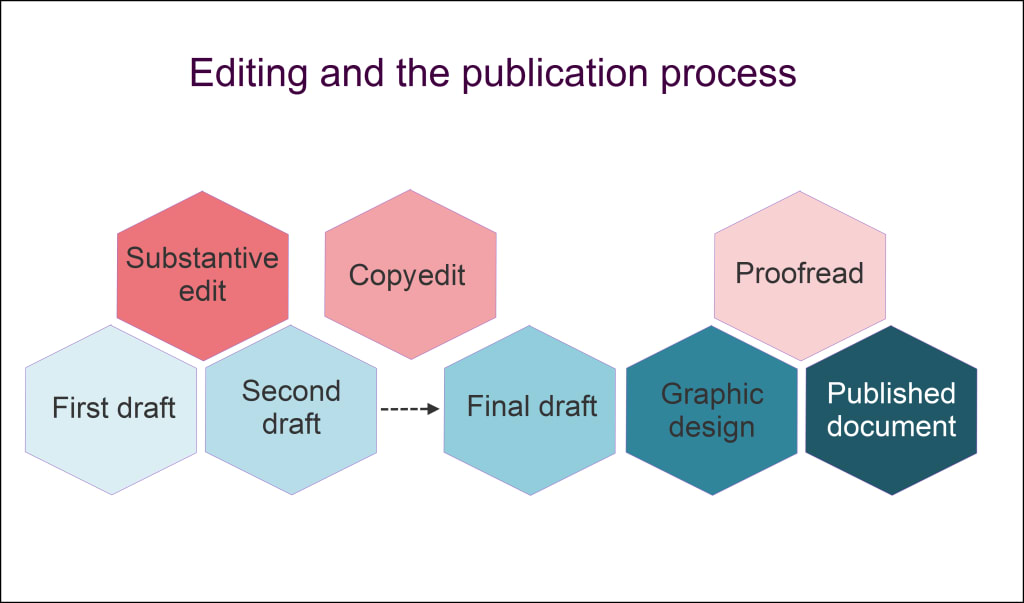
Editing is a crucial step in the publishing process, serving as a bridge between an author’s raw manuscript and a polished final product ready for readers. Editors play diverse roles, each contributing uniquely to enhancing the manuscript’s quality and ensuring it aligns with industry standards. This article explores the various types of editors, their responsibilities, and how they impact the overall publishing journey.
1. Types of Editors
Understanding the different types of editors is essential for recognizing their specific contributions:
- Developmental Editors: These editors focus on the manuscript's overall structure and content. They work with authors to refine story arcs, character development, pacing, and thematic elements. Their goal is to ensure that the narrative flows smoothly and that the story resonates with the target audience.
- Line Editors: Line editing involves a detailed examination of the text, focusing on the clarity, style, and voice of the writing. Line editors suggest improvements on sentence structure, word choice, and tone, helping to enhance the overall readability and engagement of the manuscript.
- Copy Editors: Copy editors concentrate on grammar, punctuation, spelling, and consistency. They ensure that the manuscript adheres to the chosen style guide (e.g., Chicago Manual of Style, AP Stylebook) and that there are no typographical errors. Their work is vital in making the text polished and professional.
- Proofreaders: The final step in the editing process, proofreaders review the manuscript after it has been typeset. They check for any remaining errors or inconsistencies that may have occurred during formatting. This stage is critical for catching last-minute issues before publication.
2. Responsibilities of an Editor
Editors have a multifaceted role in the publishing process, with several key responsibilities:
- Providing Constructive Feedback: Editors give authors actionable feedback, highlighting strengths and weaknesses in the manuscript. This feedback is vital for authors looking to improve their work and can involve extensive discussions about revisions.
- Maintaining Author Voice: While editors work to improve the manuscript, they must also respect the author’s unique voice and style. Striking this balance is essential to ensure that the final product remains authentic to the author’s vision.
- Collaborating with Authors: An effective editor-author relationship is built on collaboration. Editors engage in discussions with authors about proposed changes, allowing for a back-and-forth exchange that fosters creativity and improvement.
- Project Management: Editors often manage timelines and deadlines, ensuring that the manuscript moves through the editing stages efficiently. They coordinate with other professionals, such as designers and proofreaders, to keep the project on track.
- Ensuring Market Readiness: Editors help ensure that the manuscript meets industry standards and is suitable for its intended market. This includes advising on content that might appeal to readers and suggesting changes that align with market trends.
3. Impact on the Publishing Process
The role of an editor extends beyond just refining the text; they significantly impact the entire publishing process:
- Enhancing Quality: A skilled editor elevates the manuscript’s quality, making it more appealing to readers and increasing its chances of success in a competitive market. This quality assurance can lead to positive reviews and greater reader satisfaction.
- Facilitating Author Growth: Editors often mentor authors, providing insights that help them grow as writers. This professional development can be invaluable, especially for first-time authors or those looking to improve their craft.
- Contributing to Marketing Strategies: Editors often have insights into market trends and reader preferences. Their input can help shape marketing strategies, including cover design and promotional content, to better position the book in the marketplace.
- Reducing Revisions After Submission: A thorough editing process can minimize the number of revisions required after the manuscript is submitted to a publisher. This efficiency saves time and resources for both the author and the publishing team.
Conclusion
Editors are indispensable in the publishing process, providing a critical blend of expertise, insight, and guidance. From shaping the narrative to refining the prose and ensuring market readiness, their contributions enhance the quality and appeal of a manuscript. For authors, partnering with an editor can be a transformative experience that not only improves their current work but also fosters long-term growth and development as writers. Understanding the multifaceted role of an editor is essential for anyone looking to navigate the complexities of publishing successfully.
About the Creator
Ryder Flint
Author
Keep reading
More stories from Ryder Flint and writers in Writers and other communities.
The Ultimate Guide to Pricing Your Self-Published
Setting the right price for your self-published book is a crucial factor that can significantly impact its success. The price not only affects your potential earnings but also influences readers' perceptions and purchasing decisions. In this article, we’ll explore various pricing strategies, considerations for setting your book’s price, and how to adapt your approach as your book gains traction.
By Ryder Flintabout a year ago in Writers
Sinners Becomes First Film in History to Earn 16 Oscar Nominations
By [Your Name] Hollywood history was rewritten this week as Sinners, the latest cinematic sensation, achieved a milestone no film has ever reached before: 16 Academy Award nominations. From its compelling performances to groundbreaking technical achievements, the film has captured the attention of critics and audiences worldwide, solidifying its place in cinema history.
By Salaar Jamali3 days ago in Writers
Rage
Content Warning: Domestic Violence, Assault Rage D. A. Ratliff “Who did this?” My voice echoed through the house. All I wanted was a cup of tea, but one of the twins, running through the house like maniacs, knocked it over. My nerves tingled, and every muscle in my body felt coiled like a spring. Survival seemed out of reach.
By D. A. Ratliff6 days ago in Fiction



Comments
There are no comments for this story
Be the first to respond and start the conversation.