
Temple Pose Yoga: Benefits, Technique, and Variations
Temple Pose
Introduction
Yoga is an ancient practice that harmonizes the mind, body, and spirit through movement, breath, and meditation. Among the numerous poses practiced in yoga, Temple Pose stands out for its strength-building and grounding benefits. Known as Utkata Konasana in Sanskrit, Temple Pose is a powerful stance that engages the lower body, improves flexibility, and enhances balance. This article will guide you through the benefits, correct alignment, variations, and frequently asked questions about Temple Pose Yoga.
What is Temple Pose Yoga?
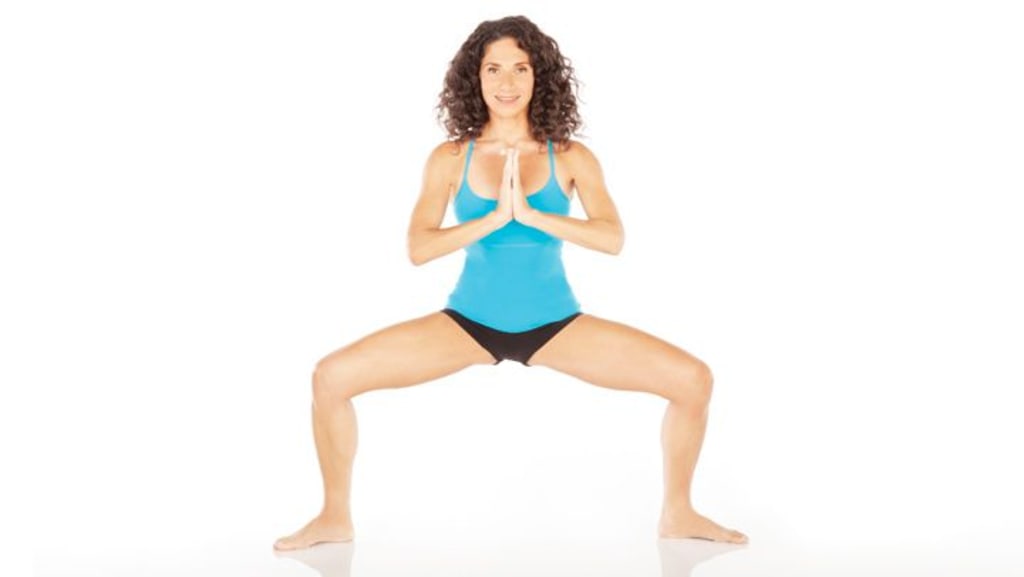
Temple Pose is a standing yoga posture that resembles a wide squat. It is often incorporated in Hatha Yoga, Vinyasa Yoga, and Yin Yoga sequences. Practicing this pose strengthens the legs, opens the hips, and promotes stability in the body. Temple Pose is particularly beneficial for athletes, pregnant women, and individuals seeking hip mobility improvement.
How to Perform Temple Pose (Utkata Konasana)
Step-by-Step Instructions:
Begin in a Standing Position
Stand at the top of your mat with your feet hip-width apart.
Step your feet out wider than hip-width, keeping the toes pointed slightly outward.
Lower into the Pose
Bend your knees and lower your hips, aiming to align your thighs parallel to the ground.
Ensure your knees align over your ankles and do not collapse inward.
Engage Your Muscles
Activate your quadriceps, glutes, and core to support the posture.
Keep your spine straight and shoulders relaxed.
Position Your Arms
Bring your hands to the heart center in a prayer position or extend your arms overhead in a Goddess Pose variation.
For an advanced version, you can extend your arms out to the sides with elbows bent at 90 degrees.
Hold and Breathe
Stay in the pose for 5-10 breaths while maintaining steady breathing.
Engage your inner thighs and feel the stretch in your hips.
Exit the Pose
Straighten your legs and bring your feet back to a neutral stance.
Shake out your legs and relax.
Benefits of Temple Pose Yoga
1. Strengthens Lower Body
Engages the quadriceps, glutes, calves, and inner thighs, promoting muscular endurance.
2. Opens the Hips and Groin
Helps improve hip mobility and flexibility, reducing stiffness.
3. Enhances Balance and Stability
Strengthens the core and leg muscles, aiding in better balance and stability.
4. Improves Posture
Encourages proper spinal alignment and awareness of body positioning.
5. Supports Pelvic Floor Health
Beneficial for pregnant women and postpartum recovery as it strengthens the pelvic muscles.
6. Boosts Circulation and Energy Flow
Encourages blood flow and enhances overall body energy levels.
7. Relieves Lower Back Tension
Aids in releasing tension from the lumbar spine and lower back.
Variations and Modifications
Temple Pose can be modified to suit different levels of practitioners. Here are some variations:
1. Beginner Modification
If you find it difficult to hold the pose, lower into a half-squat and place your hands on your thighs for support.
2. Advanced Variation
Add a heel lift by raising onto the balls of your feet, challenging your balance and strengthening your calves.
3. Chair Support Variation
Hold onto a chair or wall for additional balance support.
4. Temple Pose with Side Stretch
Extend one arm overhead and lean to the side to deepen the stretch.
5. Temple Pose Flow
Incorporate gentle movements like shifting side to side or adding small pulses to enhance engagement.
Common Mistakes and How to Avoid Them
Collapsing Knees Inward
Keep your knees aligned over your ankles to prevent strain.
Rounding the Lower Back
Maintain an upright posture by engaging your core muscles.
Holding Your Breath
Breathe deeply and steadily to relax into the pose.
Overarching the Lower Back
Tuck the tailbone slightly to avoid excessive arching.
When to Practice Temple Pose Yoga?
Temple Pose can be practiced at various times for different benefits:
Morning Yoga: Helps energize and awaken the lower body.
Pre-Workout Warm-up: Prepares the legs and hips for physical activity.
Evening Relaxation: Stretches and releases tension after a long day.
Prenatal Yoga Sessions: Aids in maintaining strength and flexibility during pregnancy.
Who Should Avoid Temple Pose?
While Temple Pose is generally safe, some individuals should modify or avoid it:
Individuals with Knee Injuries: Should practice with caution or seek modifications.
People with Severe Lower Back Pain: Need to ensure proper alignment and avoid excessive strain.
Those with Balance Issues: Should use a wall or chair for support.
Conclusion
Temple Pose Yoga (Utkata Konasana) is a powerful and versatile pose that strengthens the lower body, improves flexibility, and enhances balance. Whether you are a beginner or an advanced yogi, this pose offers numerous benefits and can be adapted to suit different fitness levels. By incorporating Temple Pose into your regular yoga practice, you can improve your posture, boost your energy, and experience greater stability in both body and mind.
FAQs About Temple Pose Yoga
1. Is Temple Pose the same as Goddess Pose?
Yes, Temple Pose is often referred to as Goddess Pose in some yoga traditions.
2. Can Temple Pose help with flexibility?
Absolutely! Temple Pose enhances flexibility in the hips, groin, and inner thighs.
3. How long should I hold Temple Pose?
Aim for 30 seconds to 1 minute, gradually increasing as you build strength.
4. Is Temple Pose safe during pregnancy?
Yes, it is commonly included in prenatal yoga as it strengthens the pelvic floor and legs. However, consult a doctor before practicing.
5. Can I do Temple Pose if I have knee pain?
Modify by not squatting too low or using a chair for support.
About the Creator
Keep reading
More stories from writers in Writers and other communities.
Time to change your life.
Is it even possible for you to change your life? A lot of people, more than there should be, are unhappy with their lives. But what are they doing about it? Usually nothing. People talk about how shitty their lives are and want change, but are they not taking the actions to change?
By Jen Phillipsabout 17 hours ago in Humans


Comments
There are no comments for this story
Be the first to respond and start the conversation.