
SPC Flooring Guide: Waterproof vs. Water-Resistant—Which is Right for You?
SPC Flooring Guide
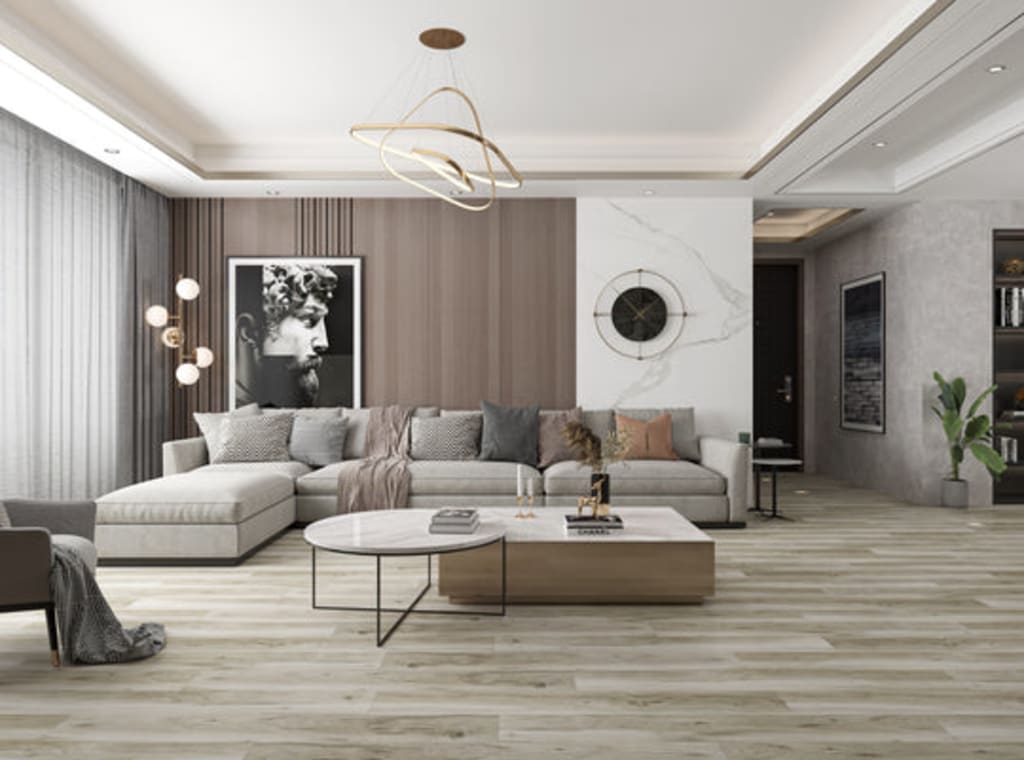
When you are choosing flooring for your home or business, SPC floors are a fantastic option because they are versatile and durable. This guide will help you understand the differences between waterproof and water-resistant SPC flooring so you can choose the best option for your space.
SPC flooring combines strength and beauty since it is crafted from limestone and PVC to create a floor that is low-maintenance stylish and very resilient. Understanding the unique qualities of waterproof and water-resistant SPC flooring is essential when deciding between the two types because each option works best in specific areas and under certain conditions.
Understanding SPC Flooring: The Basics
SPC flooring is known for its incredible strength and durability. It is what makes it ideal for areas with heavy foot traffic or spaces that see a lot of wear. The core of SPC flooring is made from a mix of limestone powder and stabilizers that create a strong stone-like foundation. The core is topped with a wear layer that allows for a variety of designs and finishes that can suit any style, from classic wood looks to modern tile designs.
One of SPC flooring’s biggest strengths is its resistance to water so it can handle spills and splashes without damage. To understand how the waterproof and water-resistant types compare to each other in handling moisture and spills let us look at their individual benefits.
What Is Waterproof SPC Flooring?
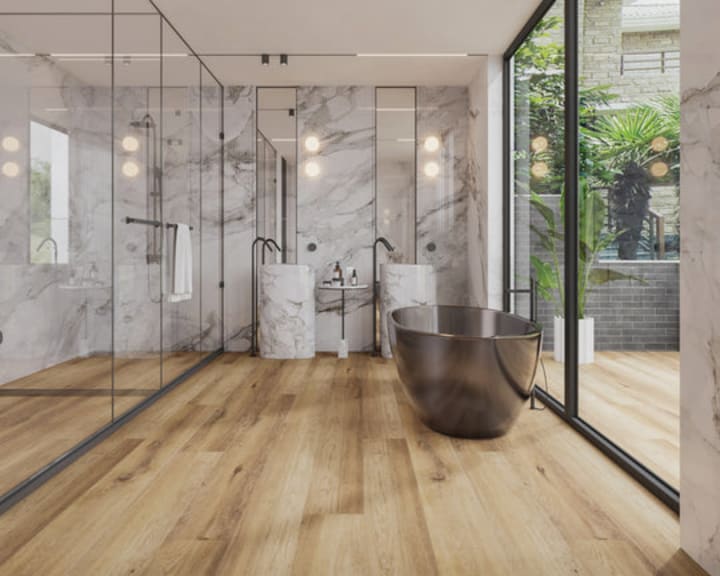
Waterproof SPC flooring is made for spaces where moisture or water exposure is high because it has a special design that keeps water from seeping in or causing damage. This makes it perfect for areas such as bathrooms, basements, and laundry rooms where water may be present. With waterproof SPC flooring, you will not have to worry about spills or standing water because its construction prevents damage and keeps it in top condition.
The core layer of waterproof SPC flooring is a mix of stone powder and PVC, which makes it strong and resistant to water. A protective surface layer also shields the floor from scratches and stains, which means it is easy to clean and a great option for homes with pets, children, or a lot of foot traffic.
Water-Resistant SPC Flooring: A Versatile Option
Water-resistant SPC flooring protects against everyday spills and dampness, but it is not entirely waterproof. It works well in areas like kitchens, dining rooms, and hallways where water exposure is low to moderate. Water-resistant SPC floors can repel spills and dampness for a limited time, which is why it is important to clean up any standing water to prevent long-term damage.
This type of flooring is easy to maintain and can handle daily wear and tear. If water exposure is usually mild in your space, water-resistant SPC flooring is a stylish and cost-effective choice that provides good protection.
Key Differences Between Waterproof and Water-Resistant SPC Flooring
Knowing the differences between waterproof and water-resistant SPC flooring will help you make the right choice for your needs and space.
Core Composition
Waterproof SPC flooring has a solid water-resistant core that prevents water from seeping in. Water-Resistant SPC has a core that handles spills and dampness but is not made for long periods of water exposure.
Protective Layers
Waterproof SPC flooring has an extra layer that resists stains, scratches, and moisture, making it suitable for high-moisture areas. Water-Resistant SPC also has a protective layer, but it is essential to clean up spills quickly as it is not meant to be used for standing water.
Advantages of Waterproof SPC Flooring
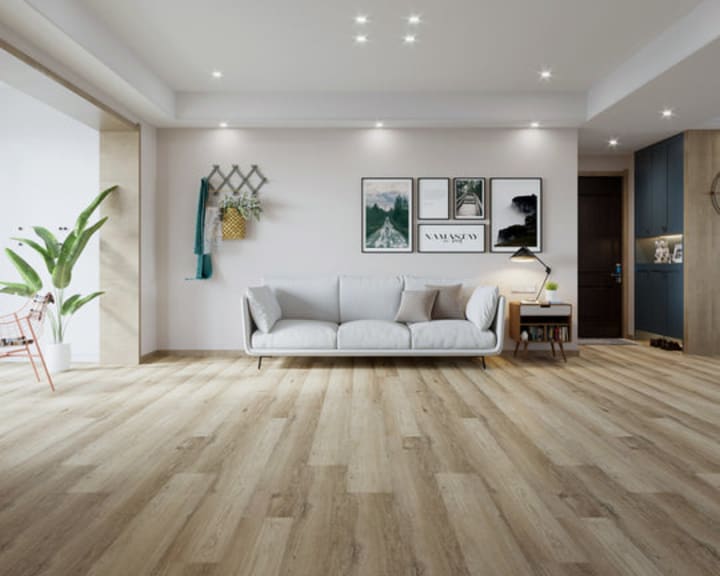
Waterproof SPC flooring has many advantages that make it a smart investment, especially in spaces where water exposure is likely.
Complete Moisture Protection: The waterproof core of SPC flooring means your floors stay safe from damage due to spills leaks or standing water.
Durability in High-Moisture Areas: Waterproof SPC flooring is made for spaces with high moisture levels, which makes it ideal for bathrooms, basements, and laundry rooms.
Long-Lasting Quality: This flooring maintains its appearance and strength over time, so it does not need to be replaced frequently.
The Benefits of Water-Resistant SPC Flooring
If you do not need full waterproof protection, water-resistant SPC flooring still provides strong protection against spills and dampness.
Cost-Effective Choice: Water-resistant SPC flooring is usually more affordable than waterproof options which makes it ideal if you are on a budget.
Versatile Uses: It is suitable for areas with low water exposure, so it works well in rooms like living areas and bedrooms.
Simple Care: While it is important to clean spills quickly, water-resistant SPC flooring is easy to maintain in areas with low moisture.
Choosing Between Waterproof and Water-Resistant SPC Flooring
You will need to think about the specific needs of each area in your home or office to choose between waterproof and water-resistant SPC flooring,
High-Moisture Spaces: Waterproof SPC flooring is the best choice for areas where moisture is common like bathrooms and basements. It provides the highest level of protection and durability in such spaces.
Moderate Moisture Areas: For spaces like kitchens or hallways where water exposure is occasional water-resistant SPC flooring is a good solution that is stylish and affordable.
Final Thoughts
Choosing flooring is more than just about looks because it involves selecting a floor that fits your lifestyle and the specific demands of each area. Waterproof SPC flooring offers reliable protection in moisture-heavy spaces while water-resistant SPC flooring offers a stylish and affordable choice for areas with less water exposure.
About the Creator
Harper Floors
Harper Floors: Your Go-To Online Flooring Boutique for Professionals and DIY Renovators, Offering Factory Direct Floors and Expert Support Every Step of the Way.
Keep reading
More stories from Harper Floors and writers in Writers and other communities.
What to Look for When Picking Engineered Hardwood Flooring?
Hardwood flooring is not only a great option that adds looks to any room but also add its resale value. It can be your best option if you are considering to replace your current flooring. It adds blend of durability and affordability and that’s is what makes it an ideal option for modern homes.
By Harper Floorsabout a year ago in Writers
When USCIS Questions a Specialty Occupation Petition
For many employment based visa applicants, the term “specialty occupation” becomes central to the approval process. When U.S. Citizenship and Immigration Services issues a Request for Evidence questioning whether a role qualifies, it can feel like the entire case is at risk. In reality, these RFEs are common and often stem from how a position is described rather than whether it truly meets the legal standard.
By Sheila Danzig6 days ago in Writers
Whiskey At Dusk
Guess the whiskey was more important to you in the end, wasn’t it? It was more than the well-being of your friends; more vital than showing up to the places you promised you would and could come to; more critical of a matter than fulfilling your damn responsibilities and getting the press off your back.
By Snarky Lisaabout 18 hours ago in Humans


Comments
There are no comments for this story
Be the first to respond and start the conversation.