
Researchers say using vegetable oil instead of butter could reduce the risk of chronic diseases and premature death
vegetable oil instead of butter could reduce the risk of chronic diseases and premature death
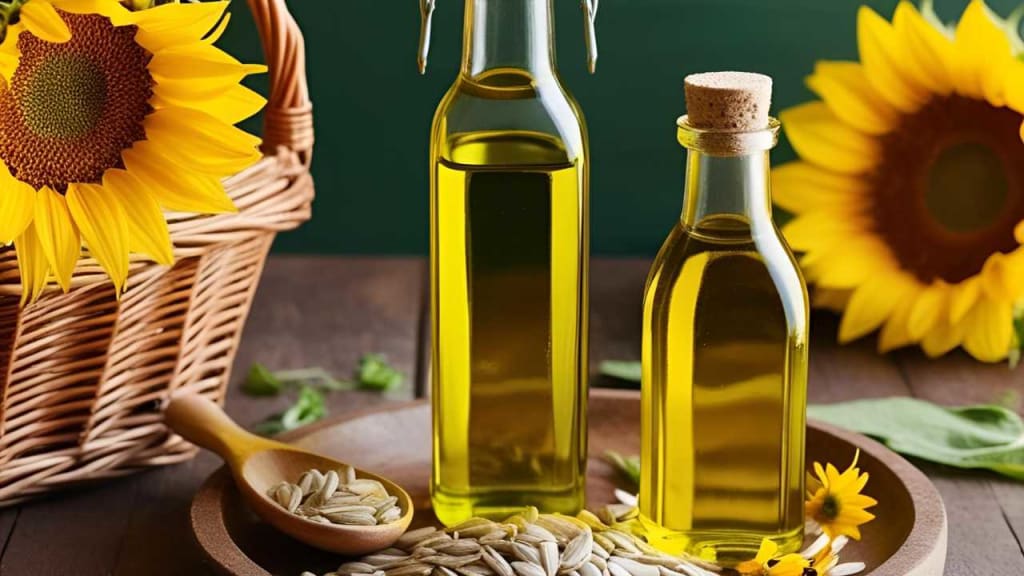
Introduction: The Silent Killer in Your Kitchen
For decades, butter has been a staple in kitchens worldwide, adding richness to baked goods, toast, and sautéed dishes. But emerging research reveals a startling truth: replacing butter with healthier vegetable oils like olive, canola, or avocado oil may reduce your risk of heart disease, diabetes, and early death by up to 34%. This isn’t just another diet trend—it’s a science-backed shift supported by decades of global studies. In this deep dive, we’ll explore why this simple swap matters, how it impacts your long-term health, and practical steps to make the change without sacrificing flavor.
The Science Behind Fats: Why Vegetable Oils Outperform Butter
Understanding the Fat Spectrum
Fats are not created equal. Butter is rich in saturated fats (63%), which raise LDL (“bad”) cholesterol levels and contribute to arterial plaque buildup. Vegetable oils, on the other hand, are primarily unsaturated fats:
Monounsaturated fats (MUFAs): Found in olive and avocado oils, these reduce inflammation and improve insulin sensitivity.
Polyunsaturated fats (PUFAs): Omega-3 and omega-6 fatty acids in canola and sunflower oils lower heart disease risk.
A 2023 meta-analysis in The Journal of the American Medical Association found that replacing 5% of saturated fat intake with PUFAs decreased mortality risk by 27%.
The Mediterranean Diet Model
Countries like Greece and Italy, where olive oil is a dietary cornerstone, have some of the lowest heart disease rates globally. A 7-year study of 7,447 participants found that a Mediterranean diet supplemented with extra virgin olive oil reduced cardiovascular events by 30% compared to a low-fat diet.
How Vegetable Oils Protect Your Body
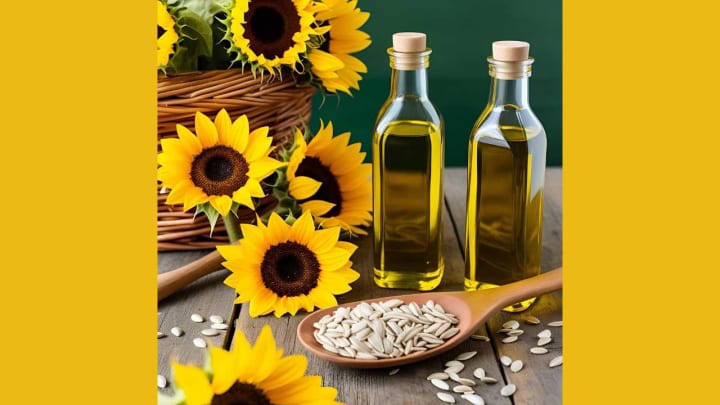
Heart Health Boost
Saturated fats in butter increase LDL cholesterol, a key driver of atherosclerosis.
Replacing butter with oils like canola (which has 7% saturated fat) lowers LDL by 10–15% within weeks, per the American Heart Association.
Fighting Inflammation
Chronic inflammation underpins diseases like diabetes and cancer. Omega-3s in flaxseed and walnut oils reduce inflammatory markers like C-reactive protein by up to 29%.
Brain and Longevity Benefits
A 2022 Harvard study linked high olive oil intake to a 34% lower risk of neurodegenerative diseases like Alzheimer’s. Participants who consumed >1/2 tbsp daily also lived 1.5 years longer on average.
Practical Tips for Making the Switch
Cooking with Oils 101
- High-heat cooking: Use avocado or refined olive oil (smoke point: 465°F).
- Baking: Substitute butter with applesauce or canola oil (1:1 ratio).
- Flavor enhancers: Infuse oils with herbs or garlic for dressings and dips.
Avoiding Pitfalls
Skip “vegetable oils” with trans fats (check labels for “partially hydrogenated oils”).
Balance omega-6-heavy oils (soybean, corn) with omega-3 sources (chia, flaxseed).
Real-Life Success Stories
Maria, 58: After switching to olive oil for 6 months, her LDL dropped from 160 mg/dL to 130.
James, 45: Replacing butter with avocado oil in cooking helped him lose 20 lbs and reverse prediabetes.
Conclusion: Small Change, Lifelong Rewards
Swapping butter for vegetable oils isn’t about deprivation—it’s about upgrading your health with every meal. From lowering cholesterol to adding years to your life, this simple shift aligns with global longevity practices. Start with one swap today (try olive oil on toast!), and your body will thank you for decades.
FAQ: Your Questions Answered
Q: Is coconut oil a healthy substitute for butter?
A: While popular, coconut oil is 82% saturated fat—higher than butter. Use sparingly and opt for unsaturated oils as staples.
Q: What’s the healthiest oil for salads?
A: Extra virgin olive oil (EVOO) is ideal. Its polyphenols protect against oxidative stress.
Q: Are vegetable oils environmentally sustainable?
A: Palm oil raises deforestation concerns. Choose brands certified by the Roundtable on Sustainable Palm Oil (RSPO) or prioritize local oils like sunflower.
Q: Can I reuse cooking oil?
A: Reheating oils degrades their quality. Discard after 1–2 uses, especially if smoking or discolored.
About the Creator
Keep reading
More stories from writers in Writers and other communities.
Preservation for Eternal Impact
It is easy to feel as though most of what is said disappears. Words are spoken, written, posted, argued over, and then quickly buried beneath the next wave of noise. Attention moves on. Platforms refresh. What once felt urgent becomes invisible. In that environment, a quiet but persistent question emerges. What actually lasts. And more uncomfortably, what is worth preserving when so much seems to vanish without consequence.
By Peter Thwing - Host of the FST Podcast4 days ago in Writers
One Hard Thing
Stop me if you’ve heard this one before: You have the number, you know your schedule- you’ve even picked out the perfect day and time to make this appointment. Shoot, you’ve even picked out alternative days and times just in case their schedules can’t accommodate you!
By Taylor Rigsby7 days ago in Motivation
Killing him slowly
There’s an intruder in my house again. He stumbles through the door, wet carrier bags in hand. He’s bought me offerings. I show my appreciation, letting him caress my beautiful body. He wants to touch me. I rub myself against his legs. He sighs, dropping the bags. He can’t resist touching me. Running his hand slowly down my spine, I arch my back towards his caress, let out a low purr. It’s what we both need.
By N J Delmas4 days ago in Horror




Comments
There are no comments for this story
Be the first to respond and start the conversation.