
Real World Asset Tokenization: Future, Cost, and Impact
Real World Asset Tokenization Services

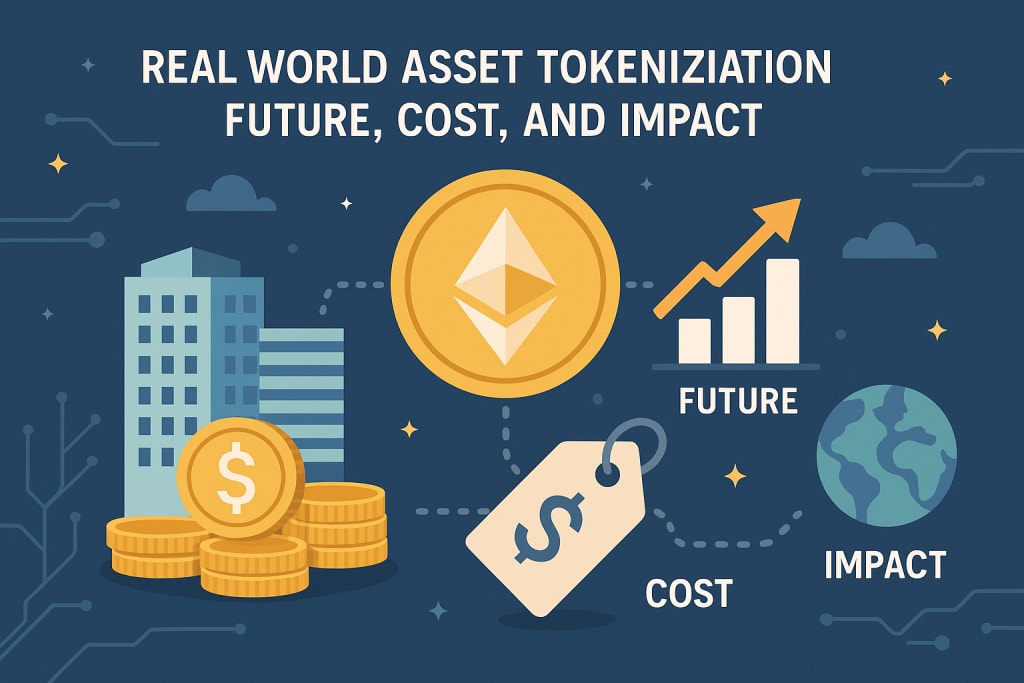
The world of finance is undergoing a digital revolution—and at the heart of it lies Real World Asset Tokenization. This innovation is not just another buzzword. It’s reshaping how we invest, trade, and think about ownership. If you're wondering what it is, why it matters, how much it costs, and what lies ahead, you're in the right place.
Let’s dive deep into the fascinating world of Real World Asset Tokenization.
Introduction to Real World Asset Tokenization
Imagine owning a fraction of a Picasso painting, a skyscraper in Manhattan, or even a gold bar in Switzerland—all from your smartphone. That's not a fantasy. It’s the new reality brought to life by Real World Asset Tokenization. With blockchain at its core, this tech is tearing down traditional barriers to asset ownership.
What is Real World Asset Tokenization?
Breaking Down the Concept
Real World Asset Tokenization is the process of converting rights to a physical asset into a digital token on a blockchain. These tokens represent real ownership, which can be bought, sold, or traded just like cryptocurrencies—but they’re backed by tangible assets.
How It Works
Let’s say you own a property worth $1 million. Instead of selling it as one big unit, you tokenize it—creating, for example, 1,000 tokens, each worth $1,000. Investors can now buy these tokens, giving them a share of the asset. All transactions are recorded on a blockchain, ensuring transparency and security.
Types of Real World Assets That Can Be Tokenized

Tokenization isn't limited to just one type of asset. Here’s what’s already being digitized:
Real Estate
From single-family homes to commercial skyscrapers, real estate is one of the most popular use cases.
Commodities
Gold, silver, oil—you name it. These assets are being tokenized for easier global trading.
Intellectual Property
Songs, patents, and even scripts are being transformed into digital shares of ownership.
Fine Art and Collectibles
Rare art, vintage cars, and collectibles are now being split into tokens, democratizing access.
Key Benefits of Real World Asset Tokenization
Increased Liquidity
One of the biggest pain points in owning assets like real estate or art is the lack of liquidity. Tokenization allows fractional ownership, enabling investors to sell parts of their holdings much more easily.
Lower Transaction Costs
Traditional asset transfers involve banks, brokers, and mountains of paperwork. Real World Asset Tokenization reduces these friction points drastically, leading to cost savings.
Enhanced Transparency and Security
Blockchain ensures that every transaction is immutable and traceable. This builds trust and reduces fraud.
Global Accessibility
People from around the globe can now invest in high-value assets without crossing borders or dealing with local intermediaries.
Challenges and Risks Involved
As with any technology, Real World Asset Tokenization isn’t without its pitfalls.
Regulatory Uncertainty
Many jurisdictions are still catching up to blockchain laws. Compliance can be a legal maze, varying greatly from country to country.
Technical Barriers
Smart contracts need to be perfectly coded. Any bugs or loopholes can be catastrophic, both financially and reputationally.
Market Acceptance
While the concept is growing, mainstream adoption is still in its early stages. Building investor trust remains a hurdle.
The Cost of Implementing Real World Asset Tokenization
Development Costs
Creating a tokenization platform isn’t cheap. From blockchain development to integration with wallets, costs can start from $50,000 and climb upwards depending on complexity.
Legal and Compliance Fees
Getting your token legally recognized involves a lot of paperwork and legal expertise. Expect to spend anywhere from $10,000 to $100,000 for a full legal audit and jurisdictional compliance.
Maintenance and Upgrades
Just like software, tokenization platforms need regular updates, cybersecurity enhancements, and smart contract audits. These ongoing costs can be significant.
The Impact of Real World Asset Tokenization on Traditional Finance
Disruption of Legacy Systems
Banks, stock markets, and brokers might find themselves outdated as peer-to-peer asset exchanges gain popularity.
Democratization of Investment Opportunities
Previously, only the ultra-rich could invest in a Manhattan skyscraper. Now, even someone with $100 can buy a piece. This levels the playing field like never before.
Future Outlook of Real World Asset Tokenization

Integration with DeFi
Decentralized Finance (DeFi) will allow tokenized assets to be used as collateral for loans, yield farming, or even automated market making.
Institutional Adoption
Big players like BlackRock and Goldman Sachs are exploring Real World Asset Tokenization. As regulations become clearer, expect a flood of institutional capital.
Technological Evolution
With advancements in AI, IoT, and 5G, we could see real-time asset tracking linked with tokens, making the ecosystem even smarter.
How to Get Started with Real World Asset Tokenization
Choose the Right Platform
Not all platforms are equal. Look for one that offers security, legal compliance, and scalability.
Regulatory Considerations
Make sure your project aligns with the legal frameworks of the countries you want to operate in. Consult legal experts familiar with blockchain law.
Token Design and Smart Contracts
Choose the type of token (ERC-20, ERC-721, etc.), set rules for ownership, dividends, and transfers—and ensure that smart contracts are thoroughly tested and audited.
Conclusion
Real World Asset Tokenization is not just a trend—it’s a tectonic shift in how we view ownership, trade, and investment. From boosting liquidity and slashing costs to opening up global markets and democratizing finance, the benefits are massive.
Yes, there are challenges—regulatory hurdles, technical concerns, and market skepticism—but as technology matures and the legal landscape stabilizes, the future looks bright.
If you’ve ever dreamed of making your investments smarter, more inclusive, and future-proof—Real World Asset Tokenization might just be your ticket in.
FAQs
1. What is the meaning of Real World Asset Tokenization?
Real World Asset Tokenization is the process of converting ownership of a physical asset into digital tokens that can be traded on a blockchain.
2. Is Real World Asset Tokenization legal?
Yes, but the legal landscape varies by country. It’s crucial to work with legal professionals to ensure regulatory compliance.
3. How much does it cost to tokenize an asset?
Costs vary but generally start from $50,000 for basic platform development and can go much higher depending on legal and technical complexity.
4. What are the risks involved?
Risks include regulatory challenges, technical glitches in smart contracts, and lack of mainstream adoption.
5. Can small investors benefit from Real World Asset Tokenization?
Absolutely! The biggest benefit is fractional ownership, which allows small investors to participate in large, traditionally illiquid assets.
About the Creator
Jennify Blogz
Launch your unique cryptocurrency coin with the expertise of a top-tier cryptocurrency development service provider
Keep reading
More stories from Jennify Blogz and writers in Writers and other communities.
Real World Asset Tokenization Services With Fixed Pricing
Welcome to the new age of investing, where real-world assets are getting a digital makeover. If you're someone looking to break into tokenized investments without draining your wallet, Real World Asset Tokenization Services with fixed pricing might just be your golden ticket. In this deep dive, we’ll explore how this revolutionary service is transforming traditional finance, making it more affordable, accessible, and secure for all.
By Jennify Blogz7 months ago in Writers
"Hear Me Out"
"Hear me out, what if we ran away together?" "Where do you want to go?" "Anywhere but here. We could move to a new city or to Canada, or we could disappear from society to live in the middle of the woods. Maybe a combination of two of those things would be good. What do you say?"
By Kay Husnick7 days ago in Fiction


Comments
There are no comments for this story
Be the first to respond and start the conversation.