
Sustainability in Publishing: The Future of Eco-Friendly Books
Exploring practices that promote environmental consciousness in the book industry.

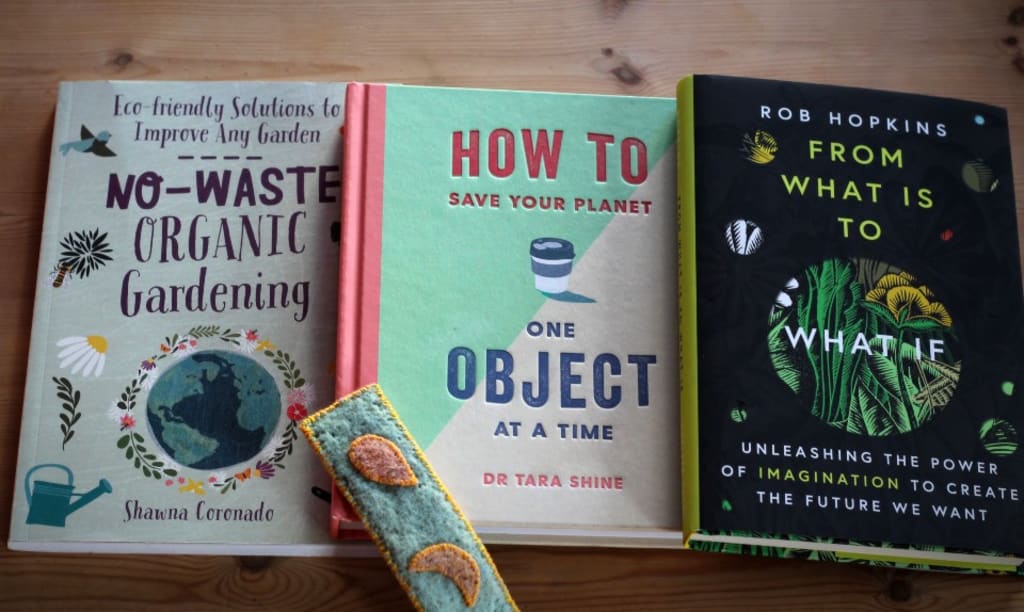
As the global community increasingly recognizes the urgent need for environmental stewardship, the publishing industry is stepping up to address its ecological footprint. From the materials used in book production to the practices employed in distribution and marketing, the journey towards sustainability in publishing is multifaceted and critical. This article explores the current state of sustainability in the publishing industry, innovative practices, and the future of eco-friendly books.
The Environmental Impact of Traditional Publishing
The traditional publishing process has historically contributed to significant environmental challenges. Key issues include:
1. Paper Production
The production of paper is one of the most resource-intensive aspects of publishing. It requires large quantities of water and energy and often leads to deforestation. According to the World Wildlife Fund, it takes about 24,000 gallons of water to produce one ton of paper.
2. Carbon Emissions
Transportation of books contributes to carbon emissions. Shipping books worldwide involves substantial fuel consumption, especially when considering the logistics of global distribution.
3. Waste Generation
The publishing process often results in considerable waste, from leftover materials in printing to unsold inventory. Unsold books may end up in landfills, contributing to environmental degradation.
The Shift Towards Sustainability
Recognizing these challenges, many publishers are adopting sustainable practices to mitigate their environmental impact. This shift is driven by a combination of consumer demand, regulatory pressures, and a commitment to corporate social responsibility.
1. Sustainable Sourcing of Materials
Many publishers are now prioritizing sustainably sourced paper. This includes:
Recycled Paper: Using paper made from post-consumer waste reduces the demand for virgin fiber and conserves natural resources.
FSC-Certified Paper: The Forest Stewardship Council (FSC) certifies products that come from responsibly managed forests, ensuring that paper production does not contribute to deforestation.
2. Eco-Friendly Printing Practices
Advancements in printing technology are enabling more environmentally friendly practices. These include:
Soy-Based Inks: Traditional petroleum-based inks can be harmful to the environment. Soy-based inks, on the other hand, are more biodegradable and have a lower environmental impact.
Digital Printing: On-demand printing technologies allow publishers to print books as they are ordered, reducing waste associated with excess inventory.
3. Green Distribution Practices
Publishers are also rethinking their distribution methods to reduce carbon footprints:
Local Distribution: By partnering with local printers and distributors, publishers can minimize transportation emissions and support local economies.
Efficient Packaging: Using minimal, recyclable, or compostable packaging materials helps reduce waste during the shipping process.
Innovations in Eco-Friendly Publishing
Several innovative practices are emerging within the publishing industry to promote sustainability:
1. Print on Demand (POD)
Print on demand technology allows books to be printed only when ordered. This drastically reduces the need for warehousing and minimizes waste. POD not only lowers the environmental impact but also enables authors to publish niche titles that may not have a large enough market for traditional print runs.
2. E-Books and Audiobooks
Digital formats like e-books and audiobooks present a more sustainable alternative to traditional print books. They eliminate the need for physical materials and transportation, significantly reducing the overall environmental impact. The rise of e-readers and smartphones has made accessing literature more convenient and eco-friendly.
3. Sustainable Publishing Houses
A growing number of publishers are adopting sustainability as a core value. Companies like Green Press Initiative and Other Press are leading the way by prioritizing eco-friendly practices in their operations. These publishers often commit to transparent reporting on their environmental impact, encouraging accountability and continuous improvement.
The Role of Consumers in Promoting Sustainability
Readers also play a crucial role in promoting sustainability in publishing. By making conscious choices, consumers can drive demand for eco-friendly books:
1. Choosing Eco-Friendly Options
Readers can prioritize purchasing books from publishers that demonstrate a commitment to sustainability. Supporting authors and publishers who use recycled materials or sustainable practices sends a strong message about the importance of environmental responsibility.
2. Supporting Local Bookstores
Buying from independent and local bookstores can reduce the carbon footprint associated with shipping and distribution. These stores often have a better understanding of the local market and can promote local authors, further fostering community ties.
3. Engaging in Dialogue
Readers can advocate for sustainability by engaging in discussions about eco-friendly practices in the publishing industry. Sharing insights on social media, attending events, and participating in book clubs can raise awareness and encourage more sustainable choices.
The Future of Eco-Friendly Publishing
The future of publishing lies in a balanced approach that prioritizes both creativity and sustainability. As awareness of environmental issues continues to grow, the industry will likely see:
1. Increased Collaboration
Collaboration between authors, publishers, and environmental organizations can lead to innovative solutions and shared best practices. By working together, stakeholders can promote sustainable initiatives and create a collective impact.
2. Regulatory Changes
As environmental regulations become more stringent, publishers may be required to adopt more sustainable practices. This shift could incentivize companies to invest in greener technologies and methods.
3. Consumer Pressure
The growing consumer demand for sustainable products will likely drive more publishers to adopt eco-friendly practices. Readers will continue to advocate for environmental responsibility, pushing the industry to evolve.
Conclusion
Sustainability in publishing is not just a trend; it is a necessary evolution in an industry that has historically had a significant environmental impact. By embracing eco-friendly practices, leveraging innovative technologies, and fostering consumer awareness, the publishing industry can move towards a more sustainable future. As readers and writers, we all have a role to play in this transformation. Together, we can ensure that the stories we cherish are told in a way that respects and preserves our planet for future generations.
About the Creator
Lawson Brooks
Author
Keep reading
More stories from Lawson Brooks and writers in Writers and other communities.
The Evolution of Literary Genres
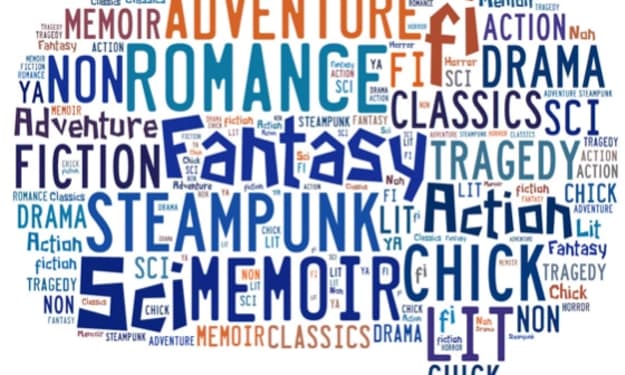
Literature is a dynamic art form that evolves alongside cultural, societal, and technological changes. Over the centuries, literary genres have transformed, reflecting the shifting interests and values of society. From the epic tales of ancient civilizations to contemporary experimental narratives, the evolution of literary genres tells us much about the human experience and our understanding of storytelling. This article explores the history, development, and transformation of literary genres, highlighting how they mirror the complexities of culture and society.
By Lawson Brooksabout a year ago in Writers
It's Winter
Anne Bernays and Pamela Painter — What If? Writing Exercise for Fiction Writers prompts The Exercise —Write a scene involving two characters. Have the point-of-view character presume something entirely different about the situation from what the other character's overt behavior seems to imply. For example, a landlord comes to visit, and the tenant suspects that it isn't a visit but an inspection. Make up several situations in which one character can fantasize or project or suspect or even fear what another character is thinking. The Objective - To show how your characters can use their imaginations to interpret the behavior and dialogue of other characters.
By Denise E Lindquist18 days ago in Writers


Comments
There are no comments for this story
Be the first to respond and start the conversation.