
# Pharmacovigilance Computerized System Validation: Ensuring Drug Safety and Compliance
Pharmacoviligiance
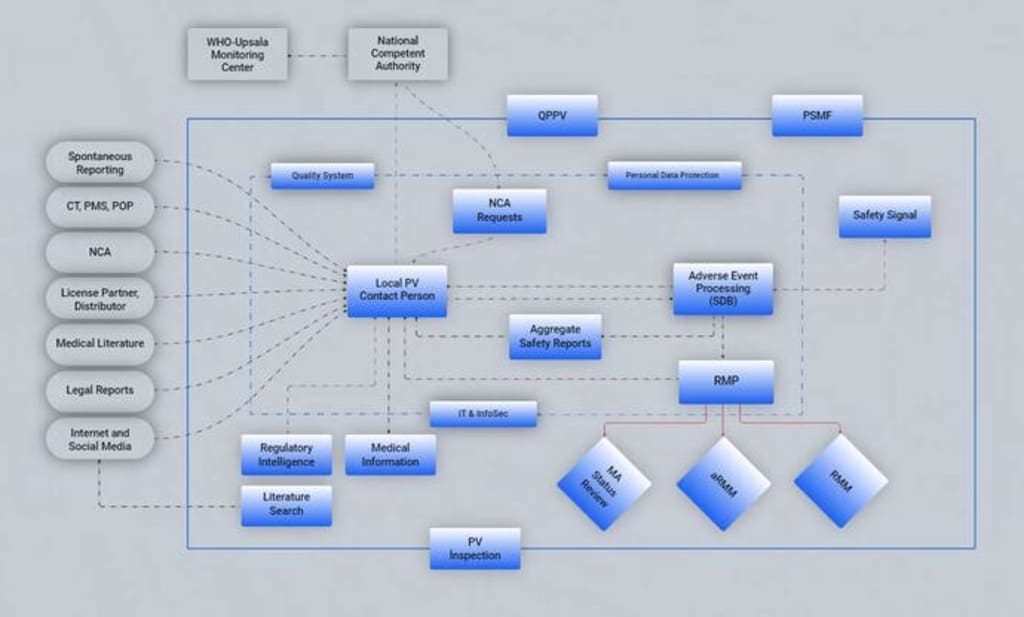
Pharmacovigilance (PV) is a critical aspect of drug development and lifecycle management, focusing on the detection, assessment, understanding, and prevention of adverse effects or any other drug-related problems. As pharmaceutical organizations increasingly turn to computerized systems to manage vast amounts of data related to drug safety, the importance of validating these systems cannot be overstated. This article delves into the significance of pharmacovigilance computerized system validation (CSV), the regulatory landscape, best practices, and emerging trends.
## What is Computerized System Validation?
Computerized System Validation refers to the process of ensuring that a computerized system consistently produces results that meet predetermined specifications and quality attributes. In the pharmacovigilance domain, this validation process is vital to guarantee that data integrity, accuracy, completeness, and reliability are maintained throughout the system's lifecycle.
Validation involves several critical stages: planning, specification, testing, documentation, and maintenance. It is not a one-time activity but an ongoing process that must adapt to changes—whether due to upgrades, modifications, or shifts in regulatory standards.
## Regulatory Landscape
Several regulatory agencies, including the U.S. Food and Drug Administration (FDA), European Medicines Agency (EMA), and the International Council for Harmonisation (ICH), provide guidelines that govern the validation of computerized systems in pharmacovigilance. For instance:
- **FDA 21 CFR Part 11**: This regulation emphasizes the importance of electronic records' authenticity, integrity, and confidentiality, mandating validation for any system that generates or stores electronic records related to drug safety.
- **ICH E2E Pharmacovigilance Guidelines**: These guidelines outline the need for organizations to implement effective systems that allow for the monitoring and reporting of adverse drug reactions, necessitating the validation of computerized systems to ensure compliance.
The alignment with these guidelines not only supports regulatory compliance but also fosters public trust in the safety of pharmaceutical products.
## Importance of Pharmacovigilance CSV
1. **Data Integrity**: Ensures that data collected, processed, and analyzed within the PV system is accurate and unaltered. This integrity is foundational for reliable drug safety evaluations.
2. **Compliance Assurance**: Validation helps organizations demonstrate compliance with regulatory requirements, minimizing the risk of fines, penalties, or product recalls due to non-compliance.
3. **Quality Assurance**: Through systematic verification processes, organizations can identify potential flaws or weaknesses in their systems, thus improving the overall quality of pharmacovigilance practices.
4. **Risk Mitigation**: By identifying and addressing vulnerabilities, CSV minimizes the chances of critical data being lost or corrupted, which can have severe consequences for patient safety.
5. **Facilitating Audits and Inspections**: Well-documented validation processes and records support audits and inspections by regulatory bodies, serving as evidence of an organization's commitment to quality management.
## Best Practices for Pharmacovigilance CSV
- **Risk-Based Approach**: Adopt a risk-based validation approach that focuses on the critical aspects of the system impacting data integrity and the quality of pharmacovigilance outcomes.
- **Comprehensive Documentation**: Maintain detailed documentation throughout the validation lifecycle, from initial planning through validation testing, to ensure accountability and reproducibility.
- **Validation Team**: Assemble a multidisciplinary validation team comprising IT professionals, quality assurance specialists, regulatory affairs experts, and pharmacovigilance personnel to foster cross-functional collaboration.
- **Training and Awareness**: Ensure that all relevant stakeholders are trained on the system and validation requirements, enhancing understanding and compliance.
- **Regular Reviews and Reassessments**: Systems must be continuously monitored and periodically reassessed to address changes—new regulations, system modifications, or emerging technologies.
## Emerging Trends in Pharmacovigilance CSV
1. **Artificial Intelligence and Machine Learning**: The role of AI/ML in pharmacovigilance is growing, and these technologies will require validation to ensure that they produce reliable outcomes while mitigating inherent biases.
2. **Data Privacy and Cybersecurity**: With increasing concerns surrounding data privacy, pharmacovigilance systems will necessitate stringent security measures and validation processes to protect sensitive patient information.
3. **Cloud-Based Solutions**: The adoption of cloud technology in PV will prompt new challenges in validation, particularly regarding the decentralized nature of data storage and access.
4. **Integration with Big Data Analytics**: Leveraging big data analytics can enhance pharmacovigilance efforts, but the computerized systems must be validated to handle the volume and variety of data effectively.
## Conclusion
Pharmacovigilance computerized system validation is an indispensable component of ensuring the safety and efficacy of pharmaceutical products. As regulatory scrutiny intensifies and technological advancements evolve, maintaining robust validation processes will be crucial for organizations committed to protecting public health and ensuring compliance in a complex landscape. By adopting a proactive and comprehensive approach to CSV, stakeholders can bolster their pharmacovigilance endeavors and contribute to a safer pharmaceutical future.
About the Creator
Keep reading
More stories from Eldaniz Hasanov and writers in Writers and other communities.
Privacy Policy in Pharmacovigilance: Safeguarding Individual Data in Drug Safety Monitoring
### Introduction Pharmacovigilance, the science of monitoring the safety of medicinal products, plays a critical role in safeguarding public health. As part of its commitment to ensuring patient safety, pharmacovigilance practices must adhere to stringent privacy policies that protect personal data. With the rise of data-driven healthcare and increasing regulations surrounding data privacy, understanding the implications of privacy policies in pharmacovigilance is essential for stakeholders including pharmaceutical companies, healthcare professionals, and regulatory authorities.
By Eldaniz Hasanovabout a year ago in Writers
Draft Deleting? Don't Do It!
Today, I had a little time. I decided that I would have a look at the drafts that I have on Vocal. This is part of a long-term wish to have everything I've written on paper rather than virtually. I've not looked at them for weeks and something drew me to them, just to browse and see what was there.
By Rachel Deeming2 days ago in Writers
'Till Death We Do Art
There would be nothing divine in this world without art. Nature may surpass the divine to all intents and purposes, but like everything it absorbs and is absorbed by, it remains here, stuck on the surface of this world, ever-present, physically bound to the universe.
By Avocado Nunzella BSc (Psych) -- M.A.P about 14 hours ago in Art



Comments
There are no comments for this story
Be the first to respond and start the conversation.