
Privacy Policy in Pharmacovigilance: Safeguarding Individual Data in Drug Safety Monitoring
Pharmacoviligiance
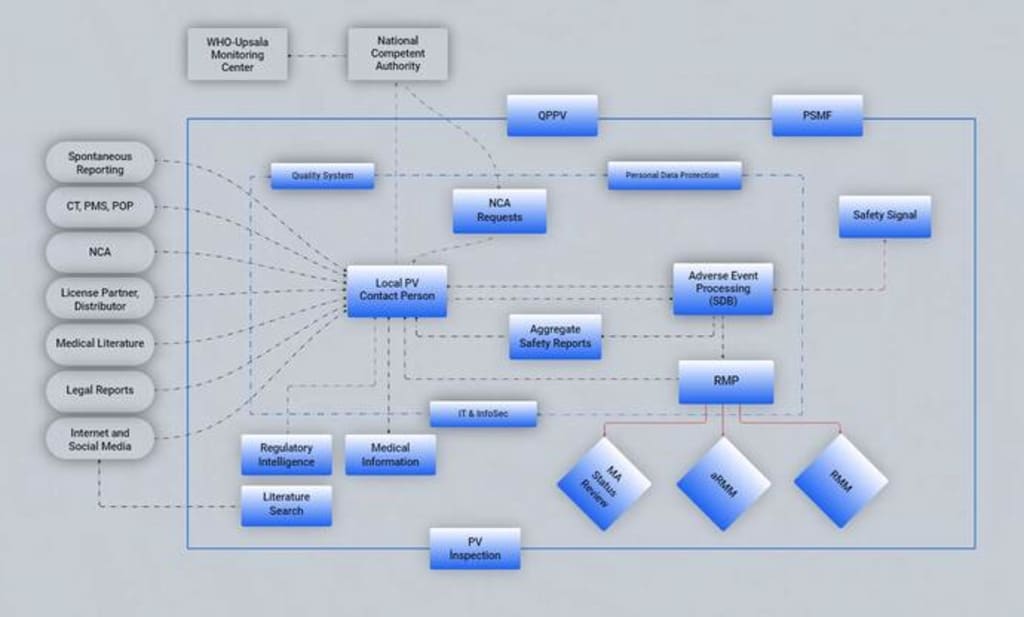
### Introduction
Pharmacovigilance, the science of monitoring the safety of medicinal products, plays a critical role in safeguarding public health. As part of its commitment to ensuring patient safety, pharmacovigilance practices must adhere to stringent privacy policies that protect personal data. With the rise of data-driven healthcare and increasing regulations surrounding data privacy, understanding the implications of privacy policies in pharmacovigilance is essential for stakeholders including pharmaceutical companies, healthcare professionals, and regulatory authorities.
### The Importance of Privacy in Pharmacovigilance
Pharmacovigilance encompasses a wide range of activities aimed at detecting, assessing, understanding, and preventing adverse effects of pharmaceutical products. During these processes, sensitive personal data about patients, including health conditions, treatments, and adverse reactions, may be collected and analyzed. Protecting this information is paramount, not just from a regulatory standpoint but also to maintain public trust.
1. **Legal Compliance**: Privacy regulations such as the General Data Protection Regulation (GDPR) in Europe, the Health Insurance Portability and Accountability Act (HIPAA) in the United States, and various regional laws dictate how personal data must be handled. Non-compliance can result in severe penalties, legal repercussions, and loss of reputation.
2. **Ethical Responsibility**: Patients entrust their healthcare providers and pharmaceutical companies with sensitive information. Organizations involved in pharmacovigilance have an ethical obligation to respect this trust and handle personal data judiciously.
3. **Data Integrity and Quality**: Preserving data privacy enhances the quality of information collected. Patients are more likely to report adverse reactions when they feel assured that their data will be handled safely and responsibly.
### Key Components of Privacy Policy in Pharmacovigilance
A well-structured privacy policy in pharmacovigilance should include several critical components:
1. **Data Collection**: The policy should clearly outline what types of personal data are collected, such as identifiers, health information, and treatment details. Transparency in data collection practices fosters trust among patients and healthcare providers.
2. **Purpose of Data Use**: It is vital to specify how the collected data will be utilized. In pharmacovigilance, the primary purpose is to monitor drug safety, but data may also be used for regulatory reporting, signal detection, and risk management.
3. **Data Retention and Disposal**: The policy should establish guidelines for how long personal data will be retained and the methods for safely disposing of data that is no longer needed. This minimizes the risk of unauthorized access to outdated or irrelevant information.
4. **Data Sharing**: Detail any third-party data sharing arrangements, including regulatory authorities, research institutions, or other partners involved in safety monitoring. Transparency about data sharing practices helps to maintain accountability and trust.
5. **Rights of Individuals**: Patients should be informed of their rights regarding their personal data, including access to their data, the right to correct inaccuracies, and the right to withdraw consent for data processing.
6. **Data Security Measures**: The policy must describe the technical and organizational measures in place to protect personal data against unauthorized access, breaches, and loss. This can include encryption, access controls, and employee training.
### Challenges in Ensuring Privacy
1. **Data Anonymization**: While anonymizing data can help protect individual identities, it must be balanced with the need for accurate and useful pharmacovigilance analyses.
2. **Technological Advancements**: The proliferation of electronic health records, wearables, and mobile health applications can complicate the collection and management of personal data, necessitating constant updates to privacy policies.
3. **Global Considerations**: With the international nature of clinical trials and drug monitoring, organizations must navigate varying privacy regulations across different countries, which can be complex and resource-intensive.
### Conclusion
In the rapidly evolving landscape of pharmacovigilance, upholding robust privacy policies is not just a regulatory requirement—it is a fundamental aspect of ethical healthcare practice. By ensuring that personal data is meticulously protected, stakeholders can enhance patient safety, foster public trust, and support the ongoing advancement of drug safety monitoring. As the field continues to expand and evolve, maintaining a commitment to privacy will be critical in achieving the ultimate goal of pharmacovigilance: to ensure the well-being of patients worldwide.
https://pharmex.co/
About the Creator
Keep reading
More stories from Eldaniz Hasanov and writers in Writers and other communities.
Veterinary Pharmacovigilance: Ensuring Animal Health and Safety
## Introduction Pharmacovigilance, a branch of pharmacology, is traditionally associated with monitoring drug effects and safety in humans. However, the discipline also plays a crucial role in veterinary medicine. Veterinary pharmacovigilance involves the science of detecting, assessing, understanding, and preventing adverse effects or any other drug-related problems in animals. As the veterinary pharmaceutical market expands and evolves, a robust pharmacovigilance system is essential in protecting animal health and ensuring public safety.
By Eldaniz Hasanovabout a year ago in Writers
Draft Deleting? Don't Do It!
Today, I had a little time. I decided that I would have a look at the drafts that I have on Vocal. This is part of a long-term wish to have everything I've written on paper rather than virtually. I've not looked at them for weeks and something drew me to them, just to browse and see what was there.
By Rachel Deeming2 days ago in Writers
Understanding Modern Accountancy Services for Businesses and Individuals
Accountancy services play a central role in the financial health of businesses and individuals. In today’s regulatory and digital environment, accounting is no longer limited to recording transactions or preparing annual statements. It has evolved into a comprehensive advisory function that supports compliance, strategic decision-making, tax efficiency, and long-term growth.
By jimmie Lotteabout 14 hours ago in Writers
What Happens To Your Brain When You Stop Multitasking
Digital technology is the culprit that is causing us to doom scroll when tired, disengaged and unmotivated with the content that motivated you to log onto your device to consume in the first place. That is only the beginning. In the modern workplace (and even when filing cabinets were around, I confirmed this with my adopted parents to get my facts right); reading files while you are supposed to be present to the caller on the other end of the phone line is another classic example of multitasking that causes your brain (although adaptable and intelligent) to lose focus and concentration.
By Justine Crowley4 days ago in Psyche



Comments
There are no comments for this story
Be the first to respond and start the conversation.