
New Study Reveals Why Teen Girls Are More Prone to Depression Than Boys: The Role of Chemical Imbalance
Understanding the Gender Divide: The Chemical Imbalance Behind Teenage Depression in Girls


A new study has revealed that the greater susceptibility of teenage girls to depression may be linked to a chemical imbalance in the brain. The discovery focuses on a particular chemical, tryptophan, which plays a crucial role in mood regulation, highlighting significant biological differences between teenage boys and girls and offering new insights into mental health in adolescence.
Understanding the Role of Tryptophan and Serotonin in Mood Regulation
Tryptophan is an essential amino acid found in various foods, such as turkey, chicken, eggs, milk, nuts, and seeds. It is vital for producing serotonin, a neurotransmitter that regulates mood, sleep, and feelings of well-being. The body uses tryptophan to create serotonin, and it helps maintain a healthy emotional balance. However, when tryptophan is broken down in the brain, it can follow two different pathways: one that produces helpful chemicals, like kynurenic acid, and another that creates substances that may harm the brain.
A team of researchers at King’s College London set out to explore how the breakdown of tryptophan is connected to depression in teenagers. Their study focused on identifying any potential differences between boys and girls in how tryptophan breaks down and how that could influence the development of depression. To do this, the researchers analyzed blood samples and depression symptoms from 150 Brazilian adolescents, aged 14 to 16.
The Chemical Imbalance in Teenage Girls
The study’s results revealed a significant difference in how tryptophan was metabolized in depressed teens. Those diagnosed with depression or identified as at high risk for depression had lower levels of kynurenic acid, a brain-healthy chemical, in their blood. This suggested that more of their tryptophan was being broken down into harmful substances rather than beneficial ones. This imbalance was especially noticeable in teenage girls, who were found to have more pronounced chemical imbalances than their male counterparts.
According to Professor Valeria Mondelli, Clinical Professor of Psychoneuroimmunology at King’s College London and senior author of the study, adolescence is a time of significant change in both the brain and body. She emphasized, “We still know very little about the biological drivers of depression and how they might differ between teenage boys and girls.” The study suggests that differences in how the brain processes tryptophan may contribute to why depression is more common in girls, offering a biological explanation to the gender disparity in mental health during adolescence.
Exploring the Link Between Inflammation and Depression
In addition to analyzing tryptophan metabolism, the researchers also tested the adolescents' blood for markers of inflammation. Inflammation is a response that the body exhibits when it is under stress, fighting an infection, or dealing with irritants such as poor nutrition. Previous research has suggested that inflammation could play a role in mental health issues, and the King’s College study sought to examine this connection.
The results showed that adolescents who were diagnosed with depression or at high risk of depression had higher levels of inflammatory markers in their blood. This could indicate that inflammation is not just a symptom of depression, but a factor that may contribute to the release of harmful chemicals in the brain. These chemicals, in turn, could increase the risk of developing depression.
Additionally, when the researchers followed up with the teenagers three years later, they found that girls who continued to experience depression had significantly higher levels of toxic brain chemicals compared to those who had recovered over time. This suggested that persistent chemical imbalances could explain why depression in girls might be more long-lasting and harder to overcome than in boys.
The Potential for Targeted Treatments
The findings of this study offer promising implications for the future treatment of depression, especially for adolescents. Dr. Naghmeh Nikkheslat, the first author of the study, expressed hope that understanding the biological mechanisms behind depression would allow for the development of better treatment options. Specifically, the scientists believe that medications targeting the kynurenine pathway, the biochemical pathway involved in the breakdown of tryptophan, could help address the root causes of depression in teens.
“By targeting the kynurenine pathway, we hope to develop medications that specifically address the underlying chemical imbalances, offering more effective treatment for those who are at high risk of depression,” said Dr. Nikkheslat. Professor Mondelli added, “Our study provides new insights into the biological pathways involved in depression, and by understanding these pathways, we can begin to offer better support and treatments for teenagers struggling with their mental health.”
Adolescence: A Time of Vulnerability
Adolescence is a complex and transformative stage in life, characterized by rapid physical, emotional, and cognitive changes. During this period, teenagers experience significant shifts in their self-awareness, body image, and social roles. For girls, adolescence can be especially challenging due to the onset of puberty and the hormonal changes that accompany it. These changes, such as an increase in estrogen, often contribute to a higher risk of developing mental health issues, including depression.
In general, depression rates are higher in girls than boys during adolescence. This pattern has long been observed and is thought to be influenced by a combination of biological, social, and environmental factors. The study’s findings provide further evidence that these gender differences are not only a result of societal pressures but also due to biological factors, such as the way tryptophan is processed in the brain.
The hormonal shifts that occur during puberty also contribute to the higher rates of depression in girls. Estrogen levels increase significantly in girls, while boys experience a rise in testosterone. These hormonal differences play a key role in the development of puberty, and the study suggests that the chemical imbalance linked to tryptophan breakdown may exacerbate the impact of these hormonal changes in girls.
Looking to the Future: Prevention and Early Intervention
With the discovery of the link between tryptophan breakdown, chemical imbalances, and depression, there is hope for more effective treatments and preventative measures for adolescents, especially girls. As mental health awareness continues to grow, more research will be needed to develop targeted therapies that address the unique biological and psychological needs of teenagers.
“By focusing on the specific biochemical mechanisms involved in depression, we can develop more tailored interventions for teenagers, helping to prevent the onset of depression and supporting those who are already affected,” Professor Mondelli said. This new research has the potential to change the way we approach adolescent mental health, emphasizing the importance of understanding the biological underpinnings of depression in order to create more personalized treatment plans.
Additionally, this study underscores the importance of early intervention and support for teenagers, particularly girls, who may be at higher risk of developing depression. Identifying the early signs of depression and offering appropriate treatments could reduce the long-term impact of the disorder and help adolescents lead healthier, more balanced lives.
Conclusion
The study conducted by King’s College London highlights the significant role that chemical imbalances in the brain play in the higher rates of depression seen in teenage girls. By understanding how tryptophan breakdown influences brain chemistry, scientists are one step closer to developing targeted treatments that address the root causes of depression. As research continues to evolve, the hope is that more effective therapies will emerge, helping to alleviate the burden of depression for adolescents and offering a brighter future for mental health care.
About the Creator
Mercy Muthui
mercy muthui – Writer | Researcher
Welcome to my Vocal Media space! I’m a passionate writer focused on global health, human rights, and social issues. Let’s learn, share, and make an impact together!
📩 Open to collaborations—let’s connect!
Keep reading
More stories from Mercy Muthui and writers in Writers and other communities.
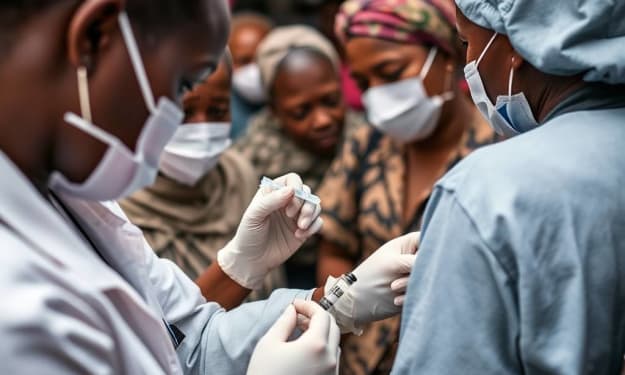
The Power of the Mpox Jab: Saving Lives in Kinshasa
The Power of the Mpox Jab: Saving Lives in Kinshasa In the heart of Africa, the city of Kinshasa in the Democratic Republic of the Congo (DRC) has become a focal point in the battle against an emerging health threat: Mpox, formerly known as monkeypox. This disease, though relatively rare in the past, has seen a significant uptick in cases across several countries, and Kinshasa, with its dense population and urban environment, has felt the full impact of the outbreak. However, there is a glimmer of hope. The administration of Mpox vaccinations in Kinshasa has become a vital weapon in stopping the spread of the virus and saving lives.
By Mercy Muthui10 months ago in Humans
Ludacris and Nelly draw backlash over bookings at MAGA-coded music festival
Ludacris and Nelly headlining a mostly right-wing event is good for them. It’s also great for the genre of hip hop. The two rap veterans have showcased their talents on other stages. Why can’t they perform for mostly MAGA folks and grab that bag?
By Skyler Saunders5 days ago in Beat



Comments
There are no comments for this story
Be the first to respond and start the conversation.