
Neurodiversity in Literature
Recognizing and Celebrating Diverse Voices

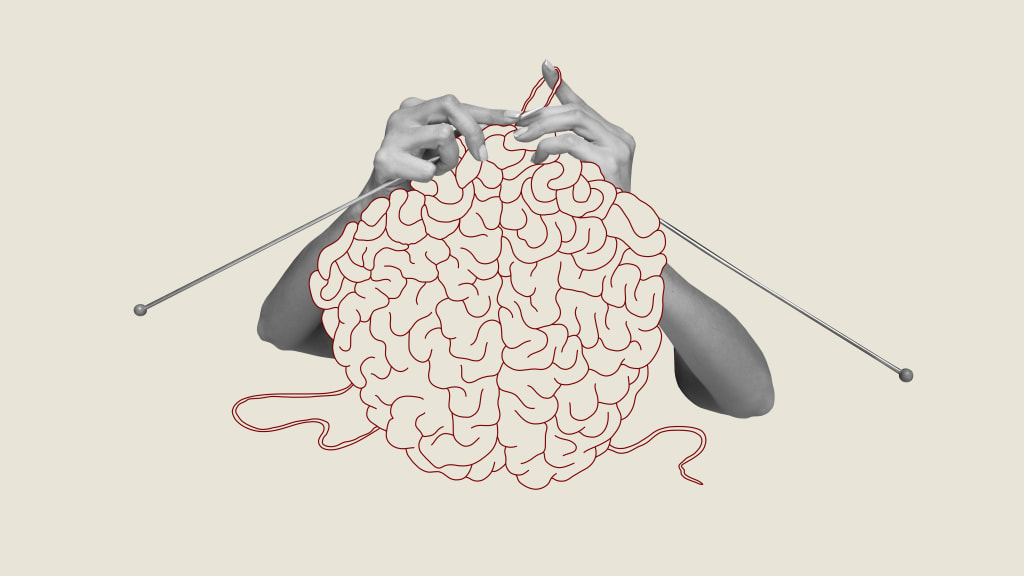
Recently, neurodiversity is a term that has gained popularity as more people begin to understand and embrace the wide spectrum of neurotypes found in today’s world. It’s a concept that’s just beginning to be explored through literature. One thing is for sure, it can have a powerful impact on readers. By encouraging the accurate representation of neurodiverse characters and embracing the benefits of understanding these differences, authors can use their work to positively influence and advocate for the neurodiverse community. Readers can become more aware of the biases and stereotypes surrounding neurodiversity. Ultimately, I hope to encourage readers to think more deeply about neurodiversity in literature and embrace its strengths.
Even as I’m writing this article, my attention is on multiple different things. It always is. As an aspiring writer with severe ADHD (alongside a plethora of mental health issues), I’ve been exploring different ways to manage my symptoms, build a solid, structured life, and live my dream of turning my passion for writing into my career. Writing is not just my passion; it’s my coping skill and my only form of self-expression. Learning how to harness my creativity has made a huge difference in how I structure my life and my writing. I found out that creativity was my ADHD superpower. The accurate representation of neurodiversity in literature is essential in normalizing and validating the experiences of those living with mental health issues. Representation is a powerful tool that can be used to create positive change in society.
Neurodiversity And Its Impact On Literature
By exploring neurodiversity through literature, we gain a more comprehensive understanding of the neurological differences many people face — and how these differences can impact their lives. Neurodiverse characters in stories can provide readers with valuable insight into different forms of cognition and experience while also promoting acceptance and understanding among those who identify with them. It’s important to be aware of the biases that exist in our society when reading stories about these characters. Readers should strive to think critically about the implications each story has on neurodiversity as a whole. By embracing these stories positively, we can start an important conversation about accepting neurological differences within our communities.
Neurodiversity in Fiction: Exploring ADHD in Literature
Attention Deficit Hyperactivity Disorder (ADHD) is a complex neurodevelopmental condition that is often misunderstood and misrepresented. Unfortunately, this can lead to unfair views of those who live with it in the wider community. That’s why authors need to use their work to accurately reflect the nuances of ADHD and to portray characters with genuine complexity.
When done correctly, literature has the potential to provide valuable insight into neurodiversity that readers may not have understood before. It also shows empathy for those living with ADHD, which can be a powerful form of advocacy and help promote acceptance within our communities.
There are several renowned examples of authors exploring the condition thoughtfully in their works: Matthew Quick’s The Silver Linings Playbook, Emma Donoghue’s Room, and Ned Vizzini’s It’s Kind Of A Funny Story. In each case, characters struggling with ADHD are presented as multi-dimensional people capable of feeling happiness and sorrow like anyone else — showing that we all share more similarities than differences regardless of our circumstances.
At its heart, literature has a huge impact when it comes to understanding and accepting neurodiversity — something writers should really take advantage of in their writing. By carefully considering how we depict ADHD from both factual and emotional perspectives, we can create stories that authentically represent its effects on people while at the same time encouraging society to become more accepting of neurological differences within our communities.
Benefits of Understanding Neurodiversity in Literature
Exploring neurodiversity in literature has immense potential to benefit both authors and readers alike. Authors can help foster a more inclusive and understanding world for everyone by accurately representing neurodiverse characters. Not only does this give readers an insight into the struggles of a neurodivergent individual, but as writers, it can help us understand our own biases and assumptions. In turn, this can lead us to appreciate and celebrate the diversity of humanity rather than trying to ‘fix’ it or marginalize it.
Reading stories about characters living with mental health issues helps us recognize when narratives are neglecting their needs or using harmful stereotypes. These representations should never be tolerated. We need to encourage accurate representation free from bias. Neurodiversity should be seen as a valuable asset and celebrated in our society, not something people should be ashamed of.
By embracing neurodiverse authors and stories, we can learn how people express themselves in different ways and become aware of our own prejudices and assumptions towards those who suffer from mental health issues daily. Authors are given an incredible opportunity to show readers that people who live with mental disorders can live fulfilling and successful lives just like everyone else. These narratives can inspire empathy and educate the communities we live in. With carefully crafted characterization, dialogue, and narrative structure, writers can bring forth powerful messages to challenge the stigma surrounding neurodiversity while bringing attention to other important topics, such as mental health awareness.
Encouraging Neurodiversity in Writing and Publishing
Including neurodiverse voices in literature is necessary for a more comprehensive understanding of human nature. We as writers, publishers, and readers are all vital in cultivating these perspectives. A great way to do this is to promote the work of writers like me who live with neurological disorders such as ADHD (if you like what you read, please share my writing to help me grow). Publishers and editors can do their part by being aware of diverse voices and showcasing the work of neurodiverse writers,
Another great way to share our experiences and reduce stigma is to organize events or initiatives with the public focusing on neurodiversity awareness by giving us a platform. But what would that look like? Maybe a writing retreat tailored towards those with ADHD or providing courses that accomodate the different learning styles associated with neurological disorders. (Spoiler alert! Stay tuned, because I have one in the works.) Exploring different resources, such as stories and articles that feature topics and characters living with neurological disorders, gives readers greater insight into what life must be like for someone living with these types of disorders, which could ultimately promote positive change within our communities.
Embracing Neurodiversity Through Literature
Learning to embrace neurodiversity in literature is essential to creating a more inclusive and understanding society. As writers, we have a responsibility to represent those of us suffering from neurological disorders in an accurate and informative way. With the increased understanding of neurodiversity that literature can provide, we can create more accepting and inclusive communities. By promoting and celebrating neurodiversity, we can make sure that everyone, regardless of their neurological differences, is seen, heard, and respected. Neurodiversity should be celebrated and embraced, not feared or shunned. We must remember that the unique contributions of those of us living with neurological conditions enrich our lives and the world around us.
Together, we can create a more understanding and inclusive society!
About the Creator
Jessica Neutz
Bachelor's degree in English & Creative Writing | Sigma Tau Delta Member | Investigating the elegance of language and the intricacies of each word | [email protected] | Check out my website | Available for hire
Keep reading
More stories from Jessica Neutz and writers in Writers and other communities.
Sunflowers Are My Favorite
We’re driving down the road just me and you like we always do. Did. You keep looking at me but don’t ever say a word. We pass the little gas station in Hamburg with yellow pumps all rusted and the most expensive gas in the whole state. You’re the one driving but you keep staring at me. I’m holding the tool of chaos, an instrument of death, one that defeated my soul. I’ve never been diabetic. It’s just what I said at Rite Aid to get the necessary evil from behind the pharmacy desk.
By Jessica Neutz2 years ago in Poets
How 10 Minutes of Morning Yoga Changed My Energy Levels
When I Realized Something Was Wrong I’m not lazy. I like staying active. But my routine was inconsistent. Some days I would try a long workout, get sore, then quit for a week. Other days, I did nothing at all.
By Theworkouthaven.com6 days ago in Writers
Silver Screen Magic with Mae West
American actress and singer Mae West became a popular film actress during the Great Depression. She started entertaining in vaudeville, then performed on Broadway, and finally went to Hollywood. She signed up with Paramount Pictures and made her debut in the 1932 film “Night After Night.” She also starred in musicals, comedies, and crime dramas. The American Film Institute named her one of the best classic Hollywood actresses.
By Rasma Raisters5 days ago in Geeks




Comments
There are no comments for this story
Be the first to respond and start the conversation.