
Navigating Chronic Stomach Issues: The Role of a Gastroenterologist
Expert Care for Long-Term Digestive Health

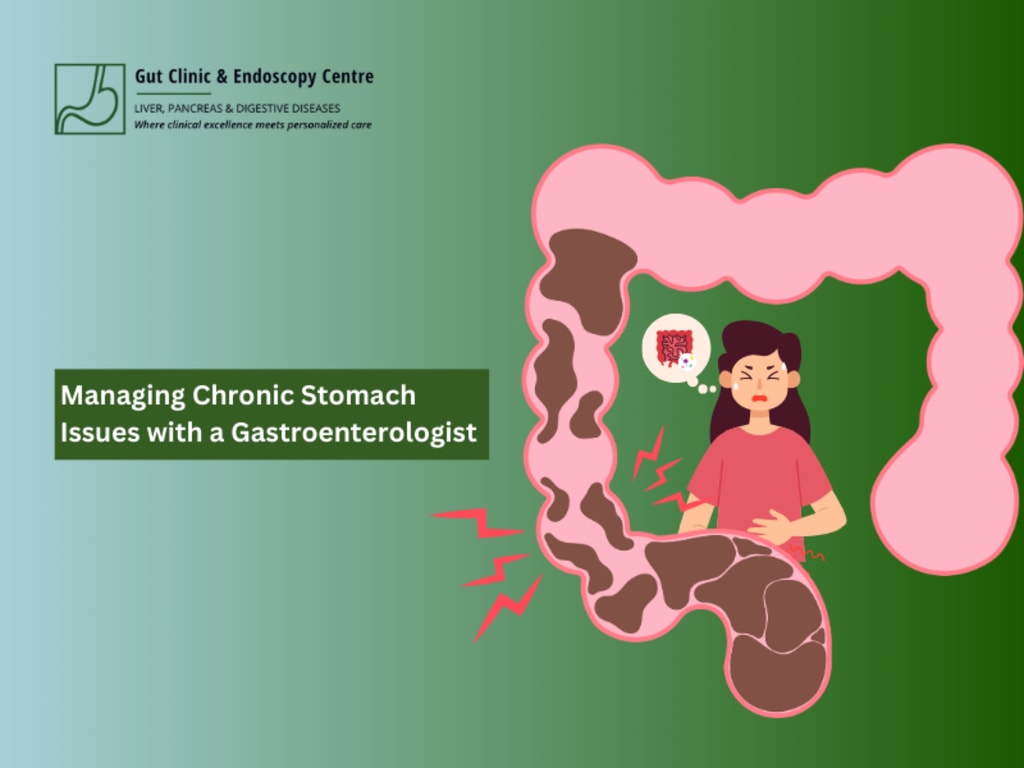
Do you often experience stomach pain, bloating, heartburn, or other digestive discomforts that interfere with your daily life? While occasional digestive troubles are common, persistent symptoms lasting weeks or months could indicate chronic stomach issues. These conditions can significantly affect your health and quality of life, making it crucial to seek medical attention.
This article explores chronic digestive problems, their symptoms, causes, and the importance of consulting a gastroenterologist for proper diagnosis and treatment.
What Are Chronic Stomach Issues?
Chronic stomach problems refer to long-term digestive disorders that require continuous management. They can present in various ways, from frequent heartburn to severe abdominal pain, affecting millions of people worldwide. Conditions such as acid reflux, irritable bowel syndrome (IBS), and inflammatory bowel disease (IBD) are among the most common digestive issues that people face.
Common Symptoms and Their Impact
Chronic digestive issues may cause symptoms such as:
- Abdominal pain
- Bloating
- Diarrhea or constipation
- Nausea
- Heartburn
These symptoms can range from mild to severe and often disrupt daily activities, work, and social life. The unpredictability of flare-ups can also cause stress and anxiety, leading individuals to avoid certain foods and activities.
Why Addressing Digestive Issues Is Important
Ignoring ongoing stomach problems can lead to serious health complications. For example, untreated acid reflux may cause conditions like esophagitis, Barrett’s esophagus, or even esophageal cancer. Similarly, unmanaged inflammatory bowel disease can result in bowel obstructions or an increased risk of colon cancer.
The Importance of Early Diagnosis
Seeking medical help early can prevent these conditions from worsening. Gastroenterologists specialize in identifying and treating chronic digestive disorders, helping to manage symptoms and reduce the risk of complications.
Common Chronic Stomach Conditions
Several digestive disorders can cause long-term symptoms. Below are some of the most prevalent conditions:
- Gastroesophageal Reflux Disease (GERD)
- GERD occurs when stomach acid repeatedly flows back into the esophagus, leading to heartburn, chest discomfort, and regurgitation.
- Irritable Bowel Syndrome (IBS)
- IBS is a functional gastrointestinal disorder that causes abdominal pain, bloating, and changes in bowel habits. It is categorized into:
- IBS-D (Diarrhea-predominant)
- IBS-C (Constipation-predominant)
- IBS-M (Mixed symptoms of diarrhea and constipation)
Peptic Ulcers
These are open sores that form in the stomach lining or the upper part of the small intestine, often resulting in burning pain, nausea, and vomiting.
Inflammatory Bowel Disease (IBD)
IBD includes conditions like Crohn’s disease and ulcerative colitis, both of which cause chronic inflammation of the digestive tract. Symptoms include persistent diarrhea, abdominal pain, weight loss, and fatigue.
How Chronic Stomach Issues Are Diagnosed
If you experience persistent digestive symptoms, a gastroenterologist can help determine the underlying cause. Here’s what the diagnostic process typically involves:
Initial Consultation
The doctor will take a detailed medical history, asking about symptoms, diet, medications, and lifestyle factors. A physical examination may also be performed.
Diagnostic Tests
Based on your symptoms, a gastroenterologist may recommend:
- Endoscopy: A procedure that uses a flexible tube with a camera to examine the digestive tract.
- Imaging Tests: X-rays, ultrasounds, CT scans, or MRIs to detect abnormalities.
- Lab Tests: Blood tests to check for infections or deficiencies, and stool tests to detect blood or bacteria in the digestive system.
Accurate Diagnosis
Since different digestive disorders can share similar symptoms, a gastroenterologist carefully analyzes test results to provide the most accurate diagnosis.
Treatment and Management of Chronic Stomach Problems
Once a condition is identified, the doctor will create a personalized treatment plan that may involve medications, dietary changes, and lifestyle adjustments.
Medication
Treatment depends on the specific digestive disorder:
- Acid Reflux: Antacids provide quick relief, while proton pump inhibitors (PPIs) and H2 blockers reduce stomach acid production.
- IBS: Medications may help manage diarrhea, constipation, or abdominal pain.
- Peptic Ulcers: Antibiotics treat H. pylori infections, and acid-reducing drugs promote healing.
- IBD: Anti-inflammatory drugs and immunosuppressants help control inflammation and prevent flare-ups.
Dietary Adjustments
Identifying and avoiding trigger foods can significantly reduce symptoms. Eating a fiber-rich, balanced diet and avoiding processed foods also helps improve digestion.
- The conditions require long-term management, routine check-ups with a gastroenterologist help adjust treatment plans and monitor any changes in health.
The Role of a Gastroenterologist in Digestive Health
A gastroenterologist specializes in diagnosing and treating digestive disorders. They offer:
- Expert Diagnosis: Advanced tools and medical expertise for accurate assessment.
- Personalized Treatment Plans: Tailored care based on individual symptoms and health conditions.
- Coordinated Care: Collaboration with dietitians and other specialists for comprehensive treatment.
- Education and Support: Helping patients understand their condition and how to manage it effectively.
- Advanced Treatment Methods: Use of the latest evidence-based treatments, keeping up with new medical developments, such as improved approaches to H. Pylori treatment.
The Takeaways
Chronic stomach issues can be challenging to live with, but with the right care, they can be managed effectively. Gastroenterologists play a vital role in diagnosing, treating, and supporting patients with these conditions, ensuring they receive the specialized care they need. If you are experiencing chronic stomach problems, don’t hesitate to seek help. A consultation with a gastroenterologist could be the first step towards better health and a better quality of life.
About the Creator
Gut Clinic
Gut Clinic & Endoscopy Centre, led by Dr. Ajay Kumar, offers expert gastro care with 40+ years of excellence in diagnostics, endoscopy, and patient-focused treatment in New Delhi.
Keep reading
More stories from Gut Clinic and writers in Writers and other communities.
A Tiny Capsule, A Big Leap in Diagnosing Your Gastro Health Problems: Introducing Capsule Endoscopy
Capsule Endoscopy is transforming how we diagnose gastrointestinal (GI) disorders. This cutting-edge technology offers a painless, non-invasive way to visualise the entire GI tract, with a special focus on the small intestine, an area that is difficult to reach with traditional diagnostic methods. This blog will explain how capsule endoscopy works, its benefits, and why it is revolutionising GI health diagnostics.
By Gut Clinic10 months ago in Writers



Comments
There are no comments for this story
Be the first to respond and start the conversation.