
My Top 10 Writers of All Time
Exploring the Literary Masters Who Shaped My World and Inspired My Imagination
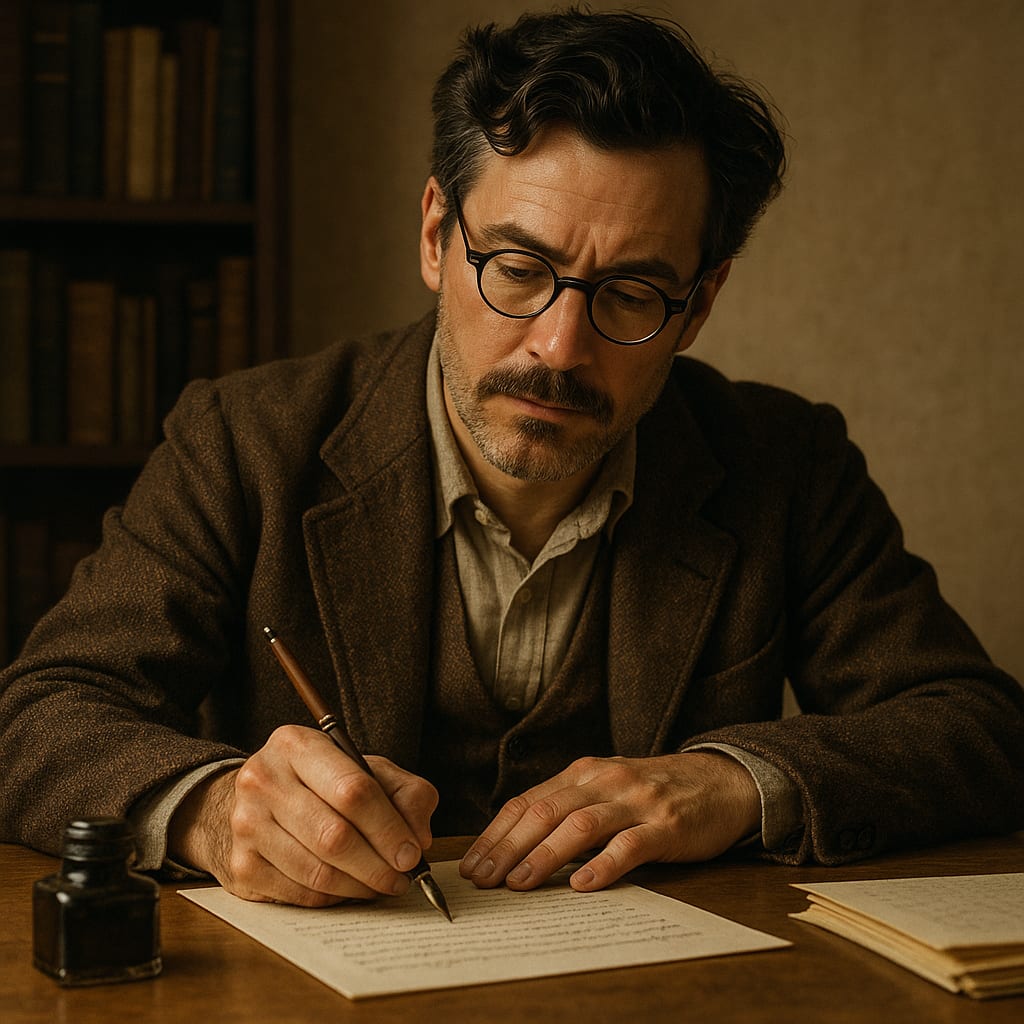
Books have always been portals to other worlds, windows into the human soul, and mirrors reflecting the complexities of life. Behind every great book is a writer whose imagination, intellect, and skill breathe life into stories that endure beyond time. Over the years, countless authors have influenced me, but there are ten whose work has left an indelible mark on my mind and spirit. These writers are my top 10 of all time — not just for their literary genius but for how they challenged me to think differently, feel deeply, and dream wildly.
1. William Shakespeare
No list of great writers is complete without the Bard of Avon. Shakespeare’s mastery of language, character, and storytelling remains unparalleled. From tragic heroes like Hamlet and Macbeth to comedic brilliance in A Midsummer Night’s Dream, Shakespeare explored the entire spectrum of human emotion. His plays and sonnets taught me about the timelessness of human nature — our passions, flaws, and desires are eternal, crossing centuries and cultures. The way he used metaphor and wordplay also deepened my appreciation for the beauty of language.
2. Jane Austen
Jane Austen’s novels, with their sharp wit and keen social observation, introduced me to the art of subtlety in storytelling. Books like Pride and Prejudice and Emma show the power of irony, character development, and dialogue. Austen’s focus on the roles and struggles of women in her era also resonated with me, inspiring an awareness of gender dynamics and social class. Her ability to weave romance and critique societal norms is a masterclass in writing with heart and intelligence.
3. George Orwell
George Orwell’s writing, especially 1984 and Animal Farm, exposed me to the power of literature as political and social commentary. His clear, direct style and fearless critique of authoritarianism and propaganda opened my eyes to the importance of truth and freedom. Orwell’s work serves as a warning and a call to vigilance against oppression, making me think critically about power structures and the role of the individual in society.
4. Toni Morrison
Toni Morrison’s prose is poetic, powerful, and deeply moving. Her exploration of African American identity, history, and trauma in novels like Beloved and Song of Solomon taught me about the resilience of the human spirit and the complexity of cultural memory. Morrison’s storytelling is layered and lyrical, forcing readers to confront painful histories with empathy and honesty. Her work inspired me to appreciate voices that challenge mainstream narratives and to value stories rooted in lived experience.
5. Gabriel García Márquez
The magic realism of Gabriel García Márquez brought a new dimension to storytelling. Novels like One Hundred Years of Solitude blur the line between reality and fantasy, creating a rich tapestry of life, death, love, and history. Márquez’s work showed me that the extraordinary often lives within the ordinary and that myth and memory are inseparable. His vibrant characters and evocative descriptions awakened my imagination and my belief in the poetic possibilities of language.
6. Haruki Murakami
Haruki Murakami’s unique blend of surrealism, loneliness, and existential reflection resonates deeply with me. Books like Norwegian Wood and Kafka on the Shore explore themes of identity, loss, and the search for meaning in a fragmented world. Murakami’s narrative style — simple yet profound — invites readers into dreamlike landscapes where reality bends. His work has influenced my understanding of how literature can capture the intangible aspects of human experience.
7. Virginia Woolf
Virginia Woolf revolutionized narrative structure and stream-of-consciousness writing. Her novels, including Mrs. Dalloway and To the Lighthouse, focus on the inner lives of characters and the fluidity of time and memory. Woolf’s introspective style taught me to appreciate the complexities of human thought and emotion beyond traditional plot-driven stories. She also challenged societal expectations of women, making her a pioneer in both literary form and feminist thought.
8. J.K. Rowling
Though more contemporary, J.K. Rowling’s impact on my reading journey is undeniable. The Harry Potter series opened doors to a world of magic, friendship, and bravery that captivated me as a child and continues to inspire readers worldwide. Rowling’s storytelling skill lies in her richly imagined world-building and relatable characters who grow and face moral dilemmas. Her books taught me about courage, loyalty, and the enduring power of hope.
9. Chinua Achebe
Chinua Achebe’s Things Fall Apart introduced me to African literature’s depth and richness. His portrayal of Igbo culture and the effects of colonialism challenged my worldview and expanded my literary horizons. Achebe’s storytelling is both simple and profound, honoring tradition while critiquing injustice. His work emphasized the importance of diverse voices in literature and the power of narrative to shape cultural identity.
10. Agatha Christie
The queen of mystery, Agatha Christie’s novels like Murder on the Orient Express and The Murder of Roger Ackroyd kept me guessing with their clever plots and unforgettable detectives such as Hercule Poirot and Miss Marple. Christie’s mastery of suspense and her ability to craft intricate puzzles taught me about structure, pacing, and the joy of intellectual engagement in reading. Her stories also proved that entertainment and literary quality can coexist seamlessly.
Why These Writers Matter to Me
Each of these writers has contributed something unique to my understanding of literature and life. Shakespeare’s poetic exploration of the human condition, Austen’s wit and social critique, Orwell’s political clarity, Morrison’s cultural depth, Márquez’s magical realism, Murakami’s surrealism, Woolf’s introspection, Rowling’s imaginative world, Achebe’s cultural perspective, and Christie’s suspenseful storytelling have collectively shaped my reading tastes and worldview.
They have inspired me to write, to think critically, and to appreciate the diversity of human experience. Their works have taught me that literature is not just about telling stories, but about connecting people across time, space, and culture. Through their words, I have traveled the past, experienced other lives, and gained empathy and insight.
Conclusion
My top 10 writers of all time are more than just authors to me — they are mentors, companions, and gateways to understanding the world and myself. Each one has offered lessons not only in craft but in humanity. Their stories continue to inspire me to explore, question, and imagine. As I grow as a reader and writer, I carry their influence with me, knowing that great literature is timeless and transformative.
About the Creator
Keep reading
More stories from Anwar Jamil and writers in Writers and other communities.
My Top 10 Favorite Horror Movies of All Time
Horror movies have always fascinated me. There’s something uniquely thrilling about the way they tap into our deepest fears, challenge our senses, and keep us on the edge of our seats. From supernatural terrors to psychological thrillers, horror films explore the darker side of human nature and the unknown. Over the years, I’ve watched countless movies that have scared, intrigued, and captivated me, but these ten have left the most lasting impressions.
By Anwar Jamil7 months ago in Chapters




Comments
There are no comments for this story
Be the first to respond and start the conversation.