
Key Differences Between Dry Van Dispatch and Other Freight Services
Discover the key differences between dry van dispatch and other freight services to choose the best option for your shipping needs.

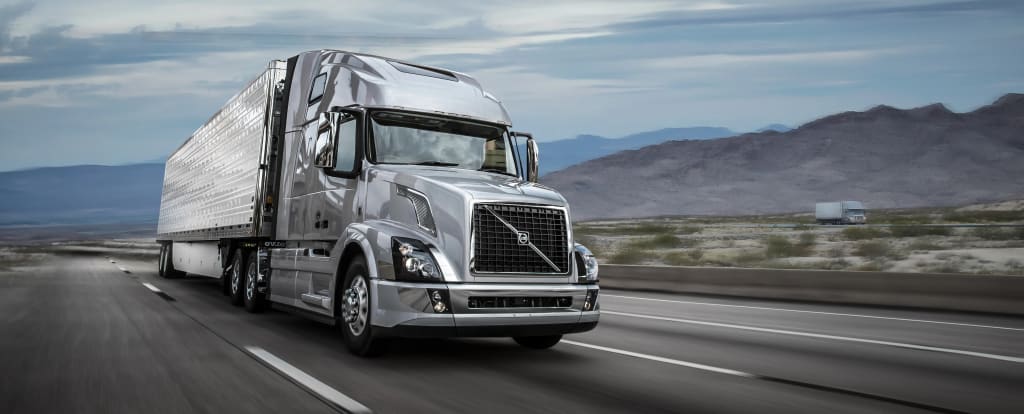
Businesses face a crucial decision when choosing how to transport their products. While some companies need rapid delivery for time-sensitive materials, others prioritize cost-effective solutions for bulk shipments. Protection from environmental factors, security concerns, and temperature control requirements add further complexity to this choice.
The freight industry offers specialized transportation solutions to meet these diverse shipping needs. Each service type comes with specific advantages that suit particular cargo types and business requirements. By understanding the key differences between these shipping methods, companies can select options that best serve their operational needs and customer expectations.
Core Elements of Modern Ground Transportation
Essential Components and Capabilities
A standard dry van dispatch setup consists of an enclosed trailer designed for maximum efficiency and versatility. The industry standard features a 53-foot length capable of holding 26 pallets, providing ample space for most shipping needs. These trailers maintain a clean, enclosed environment that keeps cargo protected throughout transit.
- Consistent internal conditions that protect cargo from external elements
- Standard loading heights compatible with commercial loading docks
- Reinforced walls and floors for cargo security
Technology and Operations
The integration of advanced technology has revolutionized how shipping operations function in today's fast-paced environment. Modern fleet management systems combine real-time GPS tracking with automated dispatch processes, ensuring precise coordination between drivers, dispatchers, and clients. This technological foundation enables:
- Digital documentation processes
- Automated route optimization
- Integrated fleet management systems
Cargo Flexibility and Load Management
The versatility of these trailers makes them ideal for various shipping needs. Businesses can significantly optimize their transportation strategy through flexible loading options and adaptable cargo configurations.
Equipment Standards and Safety
Quality assurance in ground transportation relies heavily on systematic maintenance and safety protocols. Regular vehicle inspections and standardized equipment specifications ensure consistent service quality across all shipments, be it a dry van dispatch service or any other.
Strategic Benefits of Ground Transportation
Protection and Security Features
The enclosed design of dry van trailers provides exceptional protection for cargo during transit. Weather conditions pose minimal risk to shipments, as the robust structure shields contents from rain, snow, and extreme temperatures. This protective environment extends beyond weather resistance to include enhanced security measures that significantly reduce the risk of theft or tampering during transportation.
Cost Management and Efficiency
Transportation costs represent a significant portion of operational expenses for many businesses. Ground shipping offers considerable cost advantages compared to specialized transportation methods. The standardized nature of equipment and procedures helps maintain predictable pricing structures, while the ability to consolidate shipments allows for optimal space utilization and cost-sharing among multiple clients.
Accessibility and Routing Options
Ground transportation provides remarkable flexibility in terms of:
- Direct facility-to-facility delivery options
- Adaptable route planning for multiple stops
- Easy access to most commercial and industrial locations
- Flexible scheduling for loading and unloading
Versatility in Cargo Handling
The adaptability of standard trailers accommodates an impressive range of cargo types. From retail merchandise to industrial supplies, these units handle diverse shipments with equal efficiency. The standardized interior dimensions allow for:
- Efficient space utilization
- Various loading configurations
- Mixed cargo compatibility
- Standard pallet accommodation
Comparative Analysis of Transportation Methods
Air Transportation Dynamics
Air freight represents the fastest option in the transportation industry, but this speed comes with specific considerations. The rapid delivery capabilities make it ideal for time-critical shipments and high-value items that require immediate attention. However, the premium cost structure of air transportation often limits its practical application to specific scenarios.
Key Differences:
- Speed vs. Cost: Air freight is significantly faster than dry van dispatch but is also much more expensive, making it suitable for high-value or perishable items2.
- Capacity Limitations: Airplanes have strict weight and size limitations compared to dry vans, which can carry larger volumes of cargo
Maritime Shipping Characteristics
Ocean transportation excels in handling large-volume shipments over international routes. This method proves particularly cost-effective for businesses moving substantial quantities of goods across continents. The nature of sea freight creates a distinct operational pattern that businesses must consider carefully.
Key Differences:
Delivery Time: Sea freight has longer transit times compared to dry van trucking, which can offer quicker delivery over land routes2.
Cost Efficiency: While sea freight is generally cheaper for large volumes, it may not be practical for smaller shipments that dry vans can handle efficiently
Specialized Ground Transportation Solutions
While standard dry van dispatch services handle most general cargo needs, specialized ground transportation options address specific requirements. Flatbed trucks accommodate oversized items and construction materials that require unique loading approaches. These specialized services fill crucial gaps in the transportation landscape.
Key Differences:
- Exposure to Elements: Unlike dry vans, flatbeds expose cargo to weather conditions, making them unsuitable for sensitive items3.
- Loading Flexibility: Flatbeds allow for easier loading of heavy machinery or construction materials that may not fit in a standard dry van
Temperature-Controlled Transport Options
Temperature-sensitive items require specialized equipment and monitoring throughout transit. Refrigerated units maintain specific temperature ranges crucial for food products, pharmaceuticals, and other sensitive materials. This specialized service operates under strict guidelines to ensure product integrity.
Key Differences:
- Temperature Control: Reefers maintain specific temperature ranges, making them essential for food and pharmaceuticals that require refrigeration5.
- Cost Implications: Refrigerated transport is typically more expensive than dry van loads due to the added technology and energy costs involved in maintaining temperature control
Making Informed Transportation Decisions
The transportation landscape offers diverse solutions for moving goods across local, national, and international routes. Each method brings distinct advantages that suit different business needs.
Success in logistics often comes down to understanding these differences and matching them with your specific requirements.
At Tech Rig Dispatch, we specialize in providing tailored dispatch solutions that align with your business objectives. Contact us for a personalized consultation and discover how our expertise can transform your transportation.
About the Creator
Lisa Smith
As a dedicated content writer, I create efficient, well-researched articles across business, tech, and local services. I focus on clarity, accuracy, and value, with a detail-driven process that ensures quality, creativity, and results.
Keep reading
More stories from Lisa Smith and writers in Writers and other communities.
Concrete Innovation Trends Changing Construction
In the dynamic landscape of the construction industry, building construction materials suppliers play a pivotal role in driving innovation and shaping trends. Concrete manufacturers and construction material distributors are at the forefront of adopting new technologies and methodologies to enhance efficiency and sustainability across projects.
By Lisa Smith6 months ago in Writers
Barriers to NLP Adoption in Healthcare Organizations
Natural Language Processing (NLP) has the potential to unlock enormous value in healthcare from improving documentation quality to streamlining revenue cycle operations and strengthening data governance. Yet despite years of promise, NLP adoption across healthcare organizations remains uneven and slow.
By Lilly Scott7 days ago in Writers
Affection and Healing for Yourself
During the night of the last quarter moon, I gathered my ritual supplies. I carefully handled the chunk of black tourmaline that would protect me from your overall negative and narcissistic energy. I carefully walked the house with my stick of selenite in hand, asking the universe to cleanse our working space.
By Alisha Wilkins ✒️🦋🖋️8 days ago in Fiction



Comments
There are no comments for this story
Be the first to respond and start the conversation.