
Is an AI-Powered Toothbrush Really Safe?
Built-In Safety Mechanisms
Introduction
Artificial Intelligence (AI) has rapidly entered everyday life, from smart homes to wearable health devices. Now, AI is even shaping oral care through AI-powered toothbrushes. But one question remains common: Are they really safe? In this article, we’ll break down how AI toothbrushes work, what safety measures they include, the potential risks, and how you can use them responsibly.
Built-In Safety Mechanisms
1. Pressure Sensors
Modern AI toothbrushes integrate pressure sensors that detect when you brush too hard. When excess force is detected, the toothbrush reduces its speed or sends an alert, protecting enamel and gums from damage. This safety net is a major improvement over manual brushing where users may not notice harmful pressure.
2. Smart Algorithms
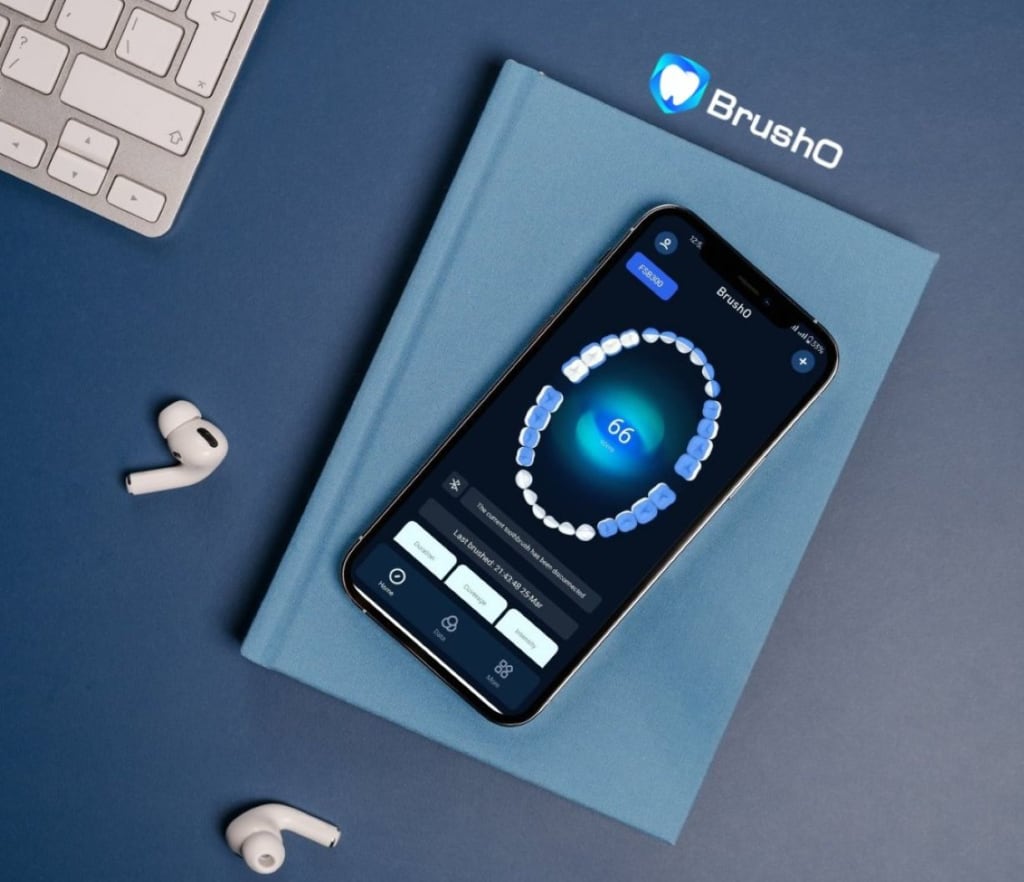
An AI toothbrush analyzes brushing patterns—such as coverage, time spent per tooth, and angle. Through an app, it provides feedback in real time. This helps ensure you are brushing evenly and not missing critical areas. Some models, like the BrushO AI-Powered Electric Toothbrush, go further by providing a personalized brushing score after every session.
3. Safe Materials
Quality AI toothbrushes use clinically tested materials such as soft DuPont bristles. Brush heads are FDA- and CE-certified, ensuring they are safe for long-term oral use and minimize irritation.
4. Data Protection
Because AI toothbrushes collect usage data, data security matters. Responsible brands encrypt and anonymize user data, with clear user consent before cloud storage. This ensures your brushing habits don’t come at the cost of your privacy.
Potential Risks
1. Algorithmic Errors
AI systems are not perfect. They may occasionally misinterpret brushing force or coverage, leading to false alerts or ignoring issues. Well-designed devices build in tolerance ranges to prevent these small errors from disrupting your experience.
2. Device Malfunctions
Like any electronic device, an AI toothbrush can suffer from hardware or software issues—such as faulty sensors or app crashes. This is why robust customer support and firmware updates are essential.
3. Data Concerns
Not all brands treat user data with care. Always check the privacy policy. Data should be encrypted and never shared with third parties without permission.
4. Special Cases
People with advanced gum disease, extreme sensitivity, or implants should consult a dentist before switching to AI toothbrushes. Many devices offer “gentle” or “sensitive” modes to adapt, but professional advice is best.
AI vs. Traditional Toothbrush Safety
Factor Traditional Electric Toothbrush AI-Powered Toothbrush
Pressure Control User dependent Automatic monitoring & alerts
Coverage Feedback None Real-time guidance via app
Data Privacy N/A Requires secure encryption
Risk of Error Mechanical only Hardware + algorithm
Tips for Safe Use
Start on a gentle mode if you have sensitive gums.
Hold the brush at a 45-degree angle to your gum line.
Do not apply excessive pressure—let the toothbrush do the work.
Replace the brush head every three months.
Store and charge the device in a dry place.
Follow dentist guidance for special oral conditions.
Conclusion
An AI toothbrush can be as safe—or even safer—than a traditional toothbrush if built with high standards and used correctly. Its ability to track coverage, protect gums, and personalize your brushing routine is a leap forward in oral health. When paired with strong data protection and quality materials, AI toothbrushes are not only safe, they’re a smart investment in long-term dental care.
👉 Try exploring the BrushO AI-Powered Electric Toothbrush
to see how modern AI is redefining safe brushing practices.
About the Creator
Keep reading
More stories from OneDayNight and writers in Writers and other communities.
Is an Electric Toothbrush Good for Health?
Introduction Electric toothbrushes are no longer a luxury item; they’ve become a mainstream choice for millions worldwide. But the question remains: Are they truly good for your health? Backed by decades of clinical research, electric toothbrushes have been shown to improve oral hygiene in measurable ways. Let’s explore the science, the benefits, and how you can maximize their effectiveness.
By OneDayNight3 months ago in Writers



Comments
There are no comments for this story
Be the first to respond and start the conversation.