
How Visual Storytelling Elevates Your Online Presence on Vocal Media
Online Presence on Vocal Media

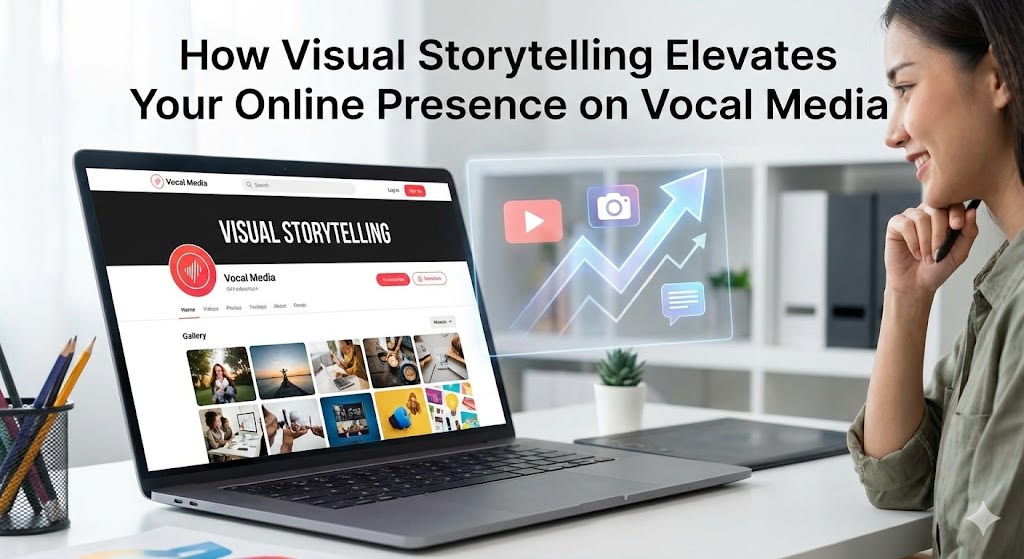
Creating content online is no longer just about having something to say, it’s about presenting it in a way that captures attention in a sea of competing voices. Platforms like Vocal Media reward strong storytelling, thoughtful formatting, and a polished, professional look. If your visuals don’t match the strength of your writing, your message can get lost before readers even begin. That’s why understanding how to elevate your visual storytelling has become essential for creators hoping to stand out.
But here’s the good news: you don’t need to be a designer, illustrator, or photographer to make your stories visually compelling. Today’s digital tools make it easier than ever to create unique, scroll-stopping backgrounds and images that complement your narratives and help your posts shine.
In fact, many creators are already using a background maker to customize the aesthetic around their stories, enhance branding, or simply make their articles more visually engaging. When you’re competing for attention on platforms like Vocal Media, these seemingly small choices can dramatically improve how readers perceive your work. Presentation matters, and visuals help frame your writing before the first sentence is even read.
Why Visuals Matter More Than Ever
We are deeply visual creatures. Studies show that readers form an impression of a page’s aesthetics in milliseconds, and that impression influences whether they stick around. On Vocal Media, where clean formatting and powerful storytelling are core values, your imagery becomes part of the narrative itself.
Thoughtfully crafted visuals can:
- Set the emotional tone for the article
- Reinforce your brand identity
- Increase reader retention
- Make your story more shareable
- Help your work stand out in Vocal’s Featured and Top Stories sections
Even if your writing is superb, pairing it with generic or mismatched visuals can weaken your impact. Strong imagery, on the other hand, feels like a natural extension of your voice.
Using Visuals to Strengthen Your Storytelling
Think about the last time a striking image pulled you into an article before you even knew the topic. That’s the effect you want to create.
Start with the mood.
Ask yourself: What feeling do I want this story to evoke? Calm, chaotic, warm, dramatic, your background or cover image should amplify that tone. For example, a writer discussing the quiet power of morning routines might lean into soft pastels or minimalist gradients. Someone exploring themes of resilience might choose bold contrasts or textured imagery.
Enhance the narrative arc.
Your visual choices can echo your storyline. A travel essay about the Pacific Northwest might feature misty forests or ocean blues. A personal development piece could use abstract, upward-moving shapes to symbolize growth.
Remember consistency.
One underrated trick is keeping your visual style cohesive across multiple stories. This creates a “visual signature” that your readers begin to recognize. On platforms like Vocal Media, consistency boosts professionalism and signals that you take your craft seriously.
Real-Life Example: A Creator’s Turnaround
A Vocal writer I spoke with recently shared how visuals changed the trajectory of her work. She had been writing thoughtful personal essays, but engagement was low. Her covers were stock photos that didn’t match the vibe of her pieces. Readers simply weren’t clicking.
She began experimenting with textured color washes and subtle gradients that reflected the emotional themes she wrote about nostalgia, healing, self-discovery. After just a few posts, her read time jumped significantly. Her stories felt more cohesive. More importantly, she started receiving comments from readers who said the artwork itself drew them in.
This is the power of visual storytelling: it opens the door for your words to be received.
Tips for Choosing Strong, Reader-Friendly Backgrounds
Here are practical strategies you can apply today:
1. Keep It Clean
Avoid overly detailed backgrounds that distract from your headline or pull attention away from your message.
2. Prioritize Contrast
Make sure text overlays are readable. High contrast between text and background is key, especially on mobile screens.
3. Match the Tone of the Story
Dark backgrounds for dramatic or investigative content. Light, soft visuals for inspirational or reflective pieces. Energetic colors for listicles or how-to guides.
4. Consider Your Audience
Vocal Media readers appreciate clarity and intention. Choose visuals that support, not overshadow, your writing.
5. Test Variations
Try different styles and see what performs best. Sometimes a minimalistic background outperforms a complex illustration. Let data inform your creative direction.
Visual Storytelling Isn’t Optional Anymore, It’s a Creative Edge
In a digital world overflowing with content, visuals aren’t just decoration. They’re part of how you communicate your values, your style, and your story. For Vocal creators, mastering this visual layer isn’t about perfection, it’s about presenting your ideas with intention and care.
When your images and writing work together, you build a more immersive experience for your readers. You stand out. You express your creativity more fully. And you create pieces that feel polished, professional, and uniquely yours.
Whether you're just starting your Vocal journey or looking to bring new depth to your work, investing in the visual side of storytelling is one of the most impactful steps you can take. Your readers will feel the difference, and they’ll keep coming back for more.
About the Creator
Abbasi Publisher
Khurram Abbasi is a professional content strategist and writer, founder of Abbasi Publisher, specializing in guest posting, high-authority backlinks, and media placements to elevate brands and digital presence.
Keep reading
More stories from Abbasi Publisher and writers in Writers and other communities.
Custom Food Trailers in Tacoma: Why Local Entrepreneurs Choose Golden State Trailers
Starting a mobile food business in Tacoma, Washington involves far more than a strong menu idea and entrepreneurial drive. The city operates under Washington State’s strict mobile food regulations, making trailer design, safety systems, and inspection readiness critical factors for success. For many local entrepreneurs, understanding these requirements early can prevent costly delays and operational setbacks.
By Abbasi Publisher2 days ago in Writers
Affection and Healing for Yourself
During the night of the last quarter moon, I gathered my ritual supplies. I carefully handled the chunk of black tourmaline that would protect me from your overall negative and narcissistic energy. I carefully walked the house with my stick of selenite in hand, asking the universe to cleanse our working space.
By Alisha Wilkins ✒️🦋🖋️4 days ago in Fiction




Comments
There are no comments for this story
Be the first to respond and start the conversation.