
How to Stay Safe and Strong in a Troubled Society
Practical Strategies to Protect Your Mind, Health, and Future from Bullying, Addiction, Online Scams, Peer Pressure, and Social Isolation

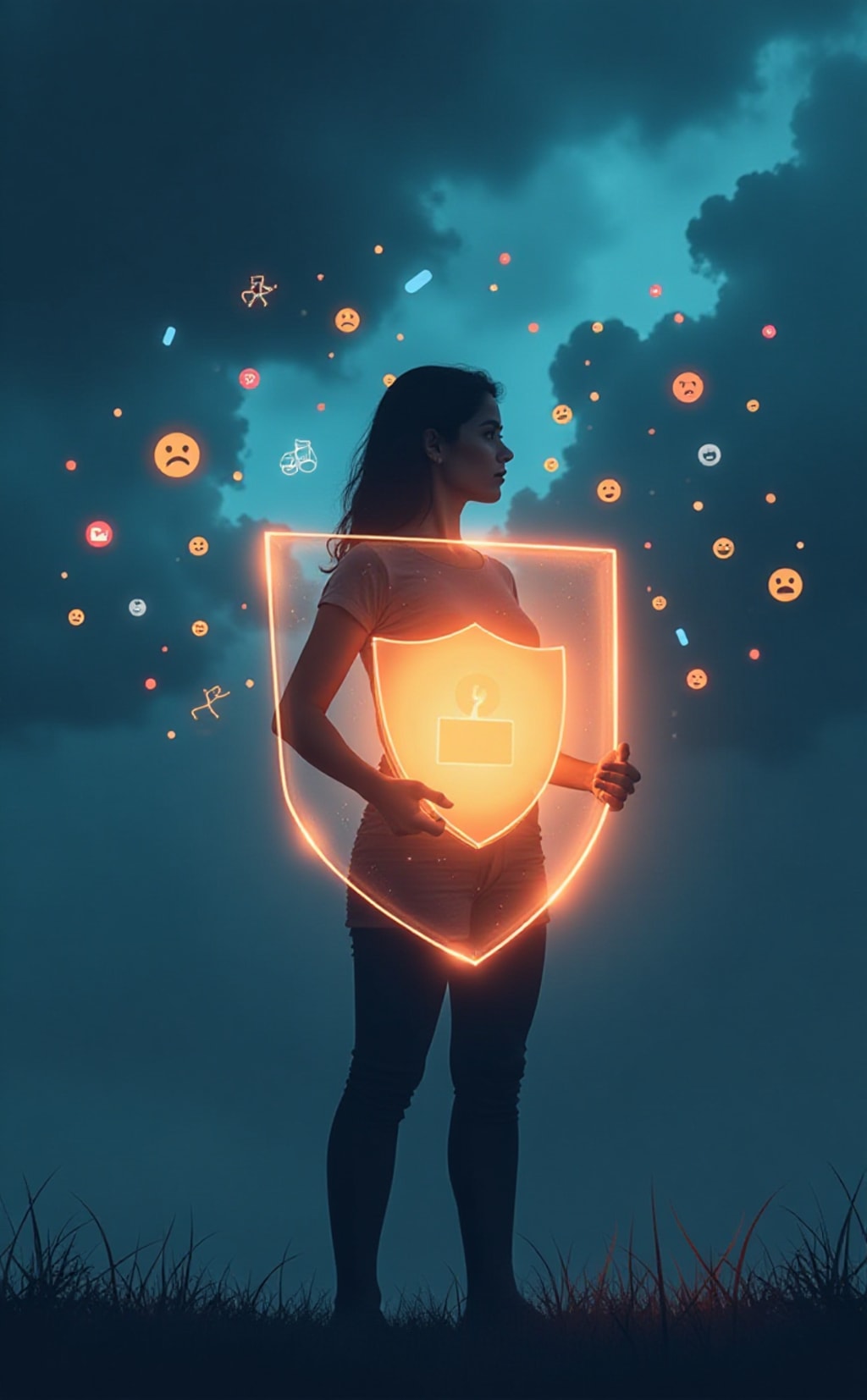
In today’s fast-paced, hyperconnected world, social challenges can seem overwhelming. From bullying in schools and toxic workplaces to the increasing threat of online scams, addiction, and social isolation, it’s easy to feel vulnerable. But the truth is, you don’t have to face these struggles unprepared. You can build mental strength, set healthy boundaries, and take charge of your well-being.
Here are five practical ways to shield yourself from the most common and damaging social problems. These strategies will not only help you stay safe but also empower you to live a healthier, more confident, and resilient life.
1. Stand Strong Against Bullying – Build Confidence and Set Boundaries
Bullying doesn’t just happen in school hallways. It occurs in workplaces, online forums, families, and communities. It can be verbal, emotional, physical, or cyber in nature. The first step in shielding yourself from bullying is to recognize it and understand that it says more about the bully than it does about you.
How to Protect Yourself:
Build self-confidence through affirmations, journaling, or seeking professional support.
Set clear boundaries with people who mistreat you. Say “no” firmly and walk away when necessary.
Document abuse or harassment, especially in workplaces or schools, and report it to authorities.
Surround yourself with allies—friends, mentors, or support groups that make you feel safe and respected.
When you refuse to engage with bullies and stand your ground, you take away their power.
2. Avoid the Trap of Addiction – Choose Awareness Over Escape
Addiction isn’t always obvious. It can start subtly—an extra glass of wine after a stressful day, endless scrolling on social media, or compulsive shopping to fill a void. Whether it’s substance-related or behavioral, addiction is a form of escape that eventually traps you.
How to Protect Yourself:
Recognize the early signs of dependency—craving, secrecy, mood swings, or neglecting responsibilities.
Find healthier coping mechanisms, such as exercise, meditation, or engaging in creative activities.
Talk about your struggles with someone you trust or a licensed counselor before it becomes overwhelming.
Limit access to triggers by creating a structured environment (e.g., screen time limits, no alcohol at home).
Awareness is the key. When you face discomfort instead of escaping it, you strengthen your inner resilience and reduce the risk of falling into addictive patterns.
3. Stay Smart Online – Protect Yourself from Scams and Digital Threats
The internet offers convenience and connection, but it also exposes you to fraud, scams, identity theft, and misinformation. Falling victim to online schemes can cause financial loss, emotional distress, and lasting damage.
How to Protect Yourself:
Verify before you click—don’t trust messages, emails, or links from unknown sources.
Use strong passwords and two-factor authentication on important accounts.
Educate yourself on common scams, such as phishing emails, fake tech support calls, and investment frauds.
Limit the personal information you share on social media and avoid accepting friend requests from strangers.
In the digital world, your best shield is knowledge. Being proactive about cybersecurity will keep you and your data safe.
4. Resist Peer Pressure – Make Decisions Based on Your Values
Whether you're a teenager or an adult, peer pressure is real. It might come from friends, colleagues, or social expectations. The pressure to fit in, say yes, or stay silent when you disagree can pull you away from your true self and lead to regretful choices.
How to Protect Yourself:
Clarify your values—write down what matters to you and let it guide your decisions.
Practice assertiveness—learn to say “no” confidently and without guilt.
Seek out like-minded people who respect your choices instead of manipulating them.
Take time before deciding—don’t let anyone rush you into something that feels wrong.
Your integrity is your armor. When you act from a place of authenticity, you become less susceptible to external pressure.
5. Break Free from Social Isolation – Build Real, Meaningful Connections
Despite being more connected than ever, many people today feel deeply alone. Isolation can lead to depression, anxiety, and a sense of purposelessness. The key isn’t just being around people—it’s being seen, heard, and valued.
How to Protect Yourself:
Schedule regular social interactions, even if it’s a short call with a friend or a walk with a neighbor.
Join communities that align with your interests—book clubs, fitness classes, volunteer groups.
Practice vulnerability—share your feelings with trusted people instead of bottling them up.
Limit passive screen time that replaces real human contact.
You don’t need a huge circle—just a few genuine connections can make a world of difference. Prioritize relationships that nourish your spirit.
Final Thoughts: Your Safety Is in Your Hands
The world will always have challenges, but how you respond determines your strength. Whether you're facing bullying, battling addiction, navigating online threats, resisting peer pressure, or overcoming isolation, know this: you have the power to protect yourself.
By building awareness, setting boundaries, and choosing your influences wisely, you become your own shield in a troubled society.
About the Creator
Keep reading
More stories from Habibullah khan and writers in Writers and other communities.
Ebony Quill & Parchment
In an age of glowing screens, blinking cursors, and cloud-based documents, the simplicity of a pen touching paper feels almost revolutionary. Stripped of digital distractions, alerts, and auto-correct, the humble pairing of a writing instrument and a blank sheet stands quietly as one of the most profound tools for thought and transformation.
By Habibullah khan 10 months ago in Writers
March 15, 2026
Merriam Webster - Word of the day: Tranche refers to a division or portion of a whole. World Contact Day is commemorated every year on March 15. It is a unique observance held globally to focus on communicating with extraterrestrial life and exploring the possibility that intelligent beings may exist beyond Earth. World Contact Day inspires people to invoke their curiosity and spend time thinking about the universe and the mysteries surrounding it. What is the “Ides of March”? According to the Roman calendar, the Ides are a monthly occurrence. In March and other months with 31 days, the Ides always falls on the 15th; it falls on the 13th in months with 30 days. The Ides traditionally marked the arrival of the new Moon and was cause for celebration. The word “Ides” is derived from Latin, meaning “to divide.” Mothering Sunday in 2026 falls on Sunday, March 15. Mothering Sunday, celebrated in the United Kingdom and Ireland, occurs on the fourth Sunday of Lent, which is exactly three weeks before Easter. Unlike the fixed-date Mother's Day in countries like the United States, Canada, and Australia, Mothering Sunday’s date changes each year according to the Christian liturgical calendar. On March 15, 2026, several notable observances and events are celebrated: Dumbstruck Day: A day to express frustration. Everything You Think is Wrong Day: A day to challenge and celebrate wrong beliefs. International Day Against Police Brutality: A day to raise awareness and advocate against police violence. My look at today, March 15, 2026 below:
By Denise E Lindquistabout 16 hours ago in Writers
The Forsyth House Fire
Since 1851, Forsyth House has stood on the corner of Union Street and Gordon Street in the heart of Glasgow. Its iconic, or was... because on Sunday 8th of March, 2026, a fire broke out in a small, seemingly un-named shop in the building and tore all that history down. As I write, the rubble is still unsettled and the street is still blocked off. Central Station is quiet on the upper level, and around 30 small businesses have quite literally gone up in smoke.
By S. A. Crawford3 days ago in The Swamp




Comments
There are no comments for this story
Be the first to respond and start the conversation.