
How to Destroy Data After Research: A Comprehensive Guide
How to Destroy Data After Research?

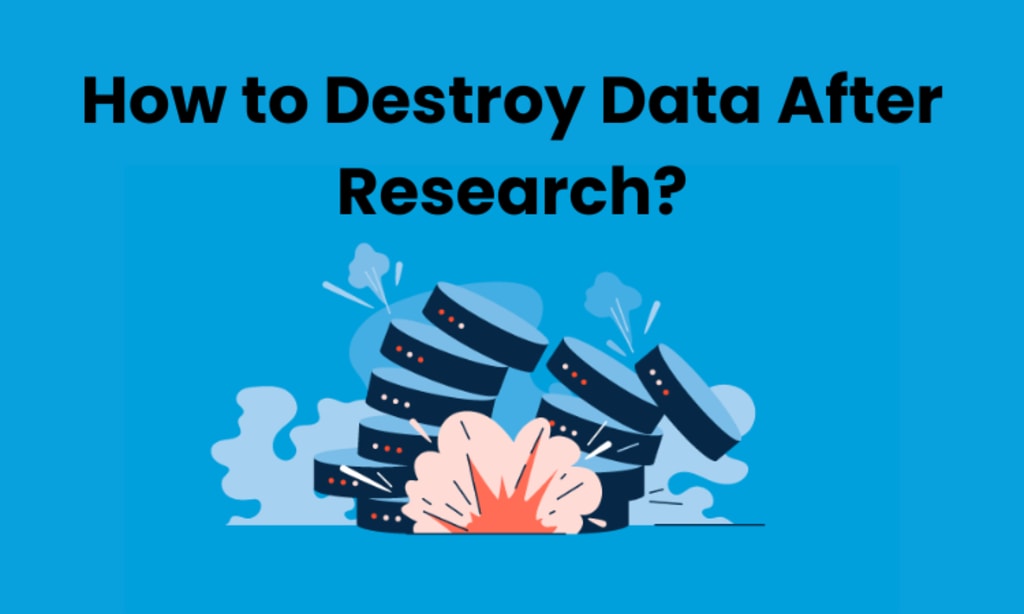
Data handling is prime in the research world itself. Data integrity, confidentiality, and ethical considerations must be retained throughout the research process. However, post-completion of the research, secure destruction of data is imperative to prevent unauthorized access in the future, to protect the information from falling into the wrong hands, and to protect the vulnerable and minimize unethical activities. This paper looks at best practices, ways, and what is taken into consideration while destroying that data once research is done.
Why is Data Destruction Essential After Research?
Research data often contains sensitive and confidential information, which involves personal identifiers, medical records, financial data, or proprietary information. If this data is not destroyed properly, then it might cause several significant risks:
Data Breach: This is unauthorized access to research data, which may be an incident leading to a breach that will compromise the privacy of individuals or organizations.
Legal and Ethical Breaches: Many times, the researcher has entered into legally binding and ethical agreements concerning the confidentiality of research participants. Such improper data destruction may lead to breaches of these agreements.
Data Mismanagement: Reputational damage can be an outcome of the data mismanagement process for both individual researchers and institutions, which may go on to affect opportunities for future research or other collaborations.
Understanding Data Destruction Methods
Data destruction is the process of making data irretrievable and may be attained through several methods tailored for use on different types of data and storage media. Below are the most commonly used methods:
1. Physical Destruction
Physical destruction is the means of destroying the storage media itself, returning absolutely no data. This method is very effective, more so against very sensitive data.
Shredding: These devices can be shredded down to tiny pieces so that it becomes impossible to recover data from a hard drive, CDs, DVDs, etc. This method is generally adopted by those organizations which have very strict rules and regulations regarding the destruction of their data.
Degaussing: In this process, a high-intensity magnetic field is applied to such storage media as hard drives, disorganizing its magnetic domains and rendering data stored on them unreadable. Degaussing does work but can be pretty expensive and requires special equipment to do so.
Incineration: This involves the burning of storage media to ensure it is completely destroyed. While it is effective, it is little used because it causes environmental problems.
2. Digital Data Wiping
Data wiping or data sanitization in the context of digital device data purging describes overwriting currently existing data with random patterns of information, making it impossible to recover the original data.
Overwrite: Software tools are available for multiple overwrites of the data with different patterns. The more passes, the lower the chance of data recovery. Suitable for hard drives, SSDs, and other digital storage devices.
Cryptographic Erasure: A process of encrypting data and then securely deleting the encryption key that makes data inaccessible. This is mostly useful for SSDs, where traditional overwriting may not work.
3. Data Masking
Data masking involves altering the data to make it meaningless while retaining the original structure. While this method does not destroy data in the traditional sense, it is useful for anonymizing data before destruction or sharing.
Choosing the Right Data Destruction Method
Selecting the appropriate method for data destruction depends on several factors:
Type of Data: This type of data requires more vigorous methods of destruction. For example, personally identifiable information may require physical destruction while less sensitive data is sufficiently addressed with means of digital wiping.
Storage Medium: The kind of medium in which data is stored is quite relevant to the method of destruction chosen. Degaussing may be performed on hard drives and magnetic media, while SSDs require cryptographic erasure.
Regulatory Compliance: Be aware of the legal and ethical obligations regarding data destruction within a certain field. Requirements for destruction differ in various industries and regions.
Cost and Resources: While the physical means of destruction would require specialized equipment and are expensive, digital wiping tools are relatively easily accessible and inexpensive.
Regulations and Guidelines for Data Destruction
Data destruction at the end of research is commonly provided for in various laws and codes of ethics, depending on the area of research involved and the nature of the data. Researchers must be conversant with these regulations to ensure compliance:
GDPR: The European Union requires that when personal data is no longer required for the purpose for which it was originally collected or otherwise processed, it should be deleted securely.
HIPAA: On the other hand, United States laws require health-related data under HIPAA to be destroyed securely to protect the privacy of patients.
IRBs: Most institutions involved in research have institutional review boards that provide guidelines on handling data up to its destruction, following the ethical sense of the research.
DIY Data Destruction vs. Professional Services
Professionals in data destruction sometimes destroy the information on their own or send the data to service providers for destruction. The effectiveness and considerations of the decision behind each approach are to be looked into.
DIY Data Destruction
People usually find DIY methods pocket-friendly, with the added advantage of taking control of the process towards destruction at will. There is a need for tools, understanding necessary, and careful execution to guarantee that data will be irrecoverable.
Advantages: Cost-effective, convenient, control over the process.
Disadvantages: Requires technical knowledge, higher risk of incomplete destruction.
Professional Services in Data Destruction
These represent professional services that give advanced levels of assurance, especially where cases involve sensitive data or large volumes. Quite often, they offer certification of destruction that might be called for during compliance.
Advantages: Certified destruction, specialized equipment, lower risk of data recovery.
Disadvantages: Higher cost and reliance on third-party services.
Employ the Best Tool for Permanent Data Deletion
If one needs to delete data so that it is irrecoverable, then the SysTools Data Wipe Software comes into play. It provides advanced features for secure wiping of data from various storage devices like hard drives and SSDs, hence a very good tool for researchers who want to protect their sensitive information once the projects are over.
Conclusion
Data destruction at the end of research is an integral part of the research lifecycle. It involves the destruction of sensitive information and the maintenance of ethical and legal requirements. Proper data destruction will require a careful selection of methods appropriate to the data, medium, and jurisdiction. Whether one uses the DIY approach or professional services, the purpose remains that the data becomes irrecoverable and thus protects the participants and the research.
About the Creator
Keep reading
More stories from Animesh Srivastava and writers in Writers and other communities.
Best Practices for Data Destruction: Secure Disposal Guide
Summary - This article provides an extensive overview of data destruction best practices, exploring the significance of secure data disposal in safeguarding sensitive information. It delves into the concept of data destruction, the importance of this practice, key regulatory frameworks, different methods available, and the factors to consider when choosing a data destruction company. Additionally, it discusses the risks of inadequate data destruction and compares DIY data destruction with professional services.
By Animesh Srivastavaabout a year ago in Writers
📢 Raise Your Voice Thread: 01/22/2026
Our “Raise Your Voice Threads” are hosted most alternating Thursdays at 12PM ET to offer creators more avenues to uncover exceptional stories on Vocal. As we are continuously searching for fresh creators and inspiring stories, this thread provides an opportunity to exchange and discuss the stories that have moved and motivated us on Vocal.
By Raise Your Voice by Vocal2 days ago in Resources



Comments
There are no comments for this story
Be the first to respond and start the conversation.