
How to Design a Book Cover That Stands Out in a Crowded Market
Expert Tips and Strategies for Creating a Visually Striking and Market-Ready Book Cover

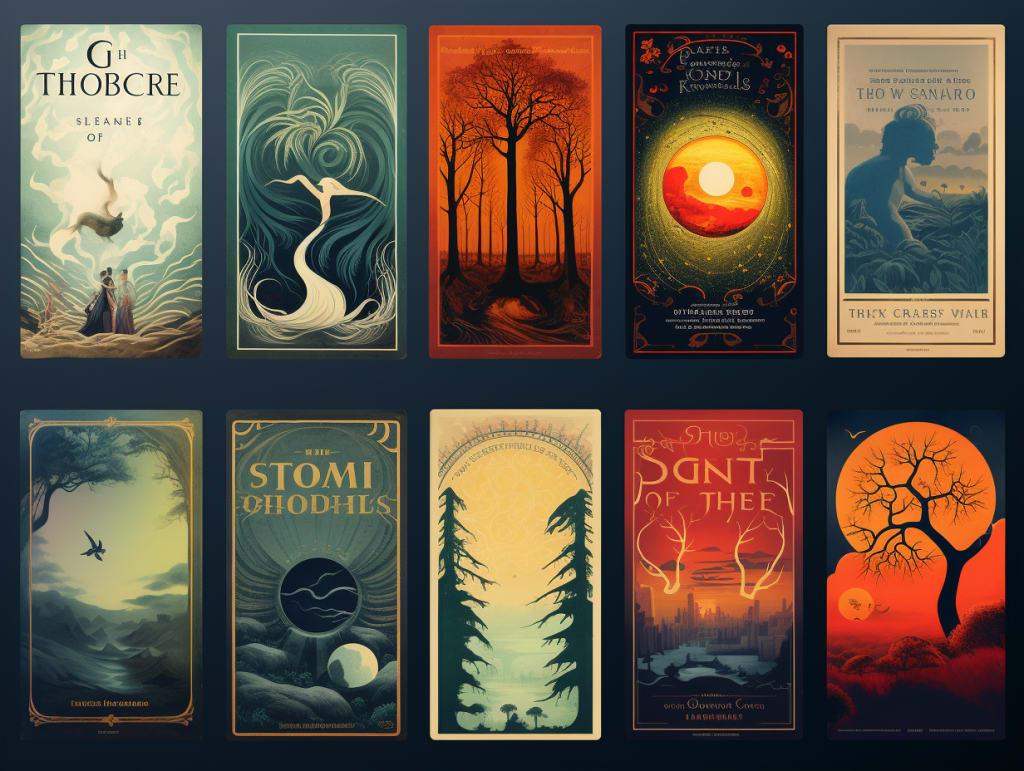
In today’s fast-paced literary world, a book’s cover is more than just an aesthetic; it’s a powerful marketing tool that can make or break its success. With millions of books flooding the market, especially in the digital age, having a book cover that stands out is essential for attracting readers. Whether you're a debut author or a seasoned professional, the right design can help your book capture attention and spark curiosity. But with so many options, how do you ensure your book cover doesn’t get lost in the crowd?
This comprehensive guide will walk you through the essential steps to design a book cover that makes a lasting impression. By collaborating with a book cover design company or working with a professional designer, you can create modern book covers that appeal to your target audience and align with your book’s themes. Let’s dive into how to create a visually striking cover that will stand out on both physical and digital shelves.
1. Understand the Importance of a Strong Book Cover
A book cover is often the first point of contact between your book and potential readers. In a crowded market filled with countless titles, the cover plays a pivotal role in attracting attention. It’s the visual representation of the story, setting the tone and conveying key aspects of the book’s genre, themes, and mood.
The cover needs to:
- Grab attention in a crowded marketplace.
- Set the tone for the type of story or content inside.
- Convey key genre elements to attract the right readers.
- Communicate professionalism to establish credibility and trust.
By working with a book cover design company that specializes in professional cover design, you can ensure that your cover aligns with all these objectives while appealing to your target audience.
2. Know Your Target Audience
One of the most critical steps in designing a book cover that stands out is understanding your target audience. Who is your ideal reader? What kinds of covers do they find attractive? Different genres have different expectations when it comes to book cover design. For instance, a romance novel might feature soft, romantic imagery, while a thriller could rely on darker tones and bold fonts.
Tips for Understanding Your Audience:
- Research popular books in your genre and analyze their covers. What design elements do they share?
- Consider trends in your genre. For example, modern book covers in the young adult fiction category often use minimalist designs with vibrant colors, while historical fiction may use detailed, classic-style illustrations.
- Identify emotions your book aims to evoke, and reflect that emotion visually on the cover. For example, a book about overcoming adversity might feature powerful, uplifting imagery.
By identifying these nuances, you can create a cover that appeals directly to the readers who are most likely to enjoy your book.
3. Choose the Right Design Elements
A book cover’s design elements—color, typography, imagery, and layout—work together to create an overall impression of the book. When designing a book cover, these elements need to be carefully considered to ensure they not only look great but also communicate the essence of the book clearly.
Key Design Elements:
- Typography: The choice of fonts should align with your genre. For example, modern book covers in thrillers often use bold, sans-serif fonts, while literary fiction might use elegant, serif fonts. Typography can also influence the perceived tone of the book—whether it’s lighthearted, serious, or dramatic.
- Imagery: The imagery should be reflective of the book's content. Whether you opt for illustrations or photography, make sure the image captures the mood or theme of your book. Avoid cluttered or overly complex designs that may confuse the reader.
- Color Palette: The colors you choose can convey different emotions. Darker tones like black, navy, and deep red are often used for suspense or horror genres, while brighter colors like yellow and teal are typically used for more uplifting or contemporary themes.
- Layout and Composition: Ensure that all elements—images, title, author name—are arranged in a way that is visually balanced and easy to read. The composition should lead the viewer’s eye in a natural flow from top to bottom or left to right.
A professional cover design will thoughtfully blend these elements to create a cohesive visual identity that resonates with readers.
4. Keep It Simple, But Memorable
While it might be tempting to fill your cover with detailed artwork or intricate design elements, simplicity is often the key to a cover that stands out. Simple, bold designs are more likely to catch a reader’s eye, especially when viewed in small thumbnail images online or from a distance on bookstore shelves.
Tips for a Simple Yet Effective Design:
- Avoid clutter. Too many elements can overwhelm the viewer. Focus on one or two strong design features that encapsulate the essence of the book.
- Use negative space effectively. Negative space can help create a balanced and clean design while making the key elements stand out.
- Focus on a single image or theme. A clear, central image or concept will give your cover more impact and make it easier for readers to connect with.
Remember, your cover needs to be memorable. A clean, focused design is often more effective than a crowded one, allowing readers to easily associate your cover with your book.
5. Ensure Consistency with Your Genre
Each book genre has its own visual language. A book cover design company experienced in working across various genres will be familiar with these conventions and can ensure your design fits within them while still feeling fresh and unique.
Genre-Specific Considerations:
- Fiction: Fiction covers often rely heavily on visual storytelling. For instance, fantasy covers might include mythical creatures or epic landscapes, while contemporary fiction may use minimalistic design or images that evoke emotions.
- Non-fiction: Non-fiction books, especially in the self-help or business genres, tend to use more direct and clean designs, with clear fonts and simple imagery that conveys the book’s core message.
- Children’s Books: These covers often feature playful colors, whimsical illustrations, and fonts that appeal to young readers and their parents.
By staying within genre expectations but adding your unique flair, you can ensure that your book cover stands out without feeling out of place.
6. Make It Scalable for Different Platforms
In the digital age, your book cover will likely be viewed more online than in physical stores. This makes scalability a critical factor in cover design. A great cover should look just as striking on a small e-book thumbnail as it does on a printed copy. When designing your cover, ensure it’s readable, legible, and visually appealing across different screen sizes and platforms.
Key Considerations for Digital Platforms:
- Thumbnail Visibility: Ensure the title and imagery are legible even at small sizes. Avoid using intricate fonts that become unreadable when reduced to thumbnail size.
- Optimized for eBook Stores: Different platforms (Amazon, Apple Books, etc.) may have specific size and resolution requirements, so working with a book cover design company experienced in these formats will help ensure your cover meets those standards.
7. Collaborate with a Professional Designer
Creating a standout book cover requires both creative vision and technical expertise. Working with a book cover design company that specializes in modern book covers can help bring your vision to life while ensuring the final product is polished, professional, and ready for the market.
Why Hire a Professional Designer?
- Expertise: Professional designers understand the nuances of typography, color theory, and layout, and they can translate your ideas into a visually compelling cover.
- Market Insight: Experienced designers are familiar with current trends and know how to design covers that will appeal to your target audience while avoiding clichés.
- High-Quality Design: A professional designer will ensure your cover is high-quality and print-ready, avoiding issues like pixelation, poor contrast, or unreadable text.
Conclusion
Designing a book cover that stands out in a crowded market is no easy feat, but with the right approach and the help of a skilled book cover design company, you can create a professional cover design that captures attention and entices readers. Focus on simplicity, genre-appropriate elements, and scalability to ensure your cover makes a lasting impact, whether in a bookstore or online marketplace. With a little creativity and the right design strategy, your book cover can become a key asset in your book's success.
About the Creator
Ryder Flint
Author
Keep reading
More stories from Ryder Flint and writers in Writers and other communities.
The Ghostwriting Process for Self-Published Authors: How to Get Your Book Written
Self-publishing has become an increasingly popular and accessible route for authors who want to bypass traditional publishing houses and maintain creative control over their work. However, while the path to self-publishing is appealing, many aspiring authors struggle with the time and expertise required to complete a high-quality book. This is where ghostwriting services in the USA come into play. Ghostwriters provide a crucial service for self-published authors by helping them bring their ideas to life, even if they don't have the writing skills or time to do so themselves. In this article, we’ll explore the ghostwriting process for self-published authors and how the best ghostwriter services can ensure that your book is written with professionalism, consistency, and quality.
By Ryder Flintabout a year ago in Writers


Comments
There are no comments for this story
Be the first to respond and start the conversation.