
How Remote Patient Monitoring Apps Are Transforming Rural Healthcare
RPM

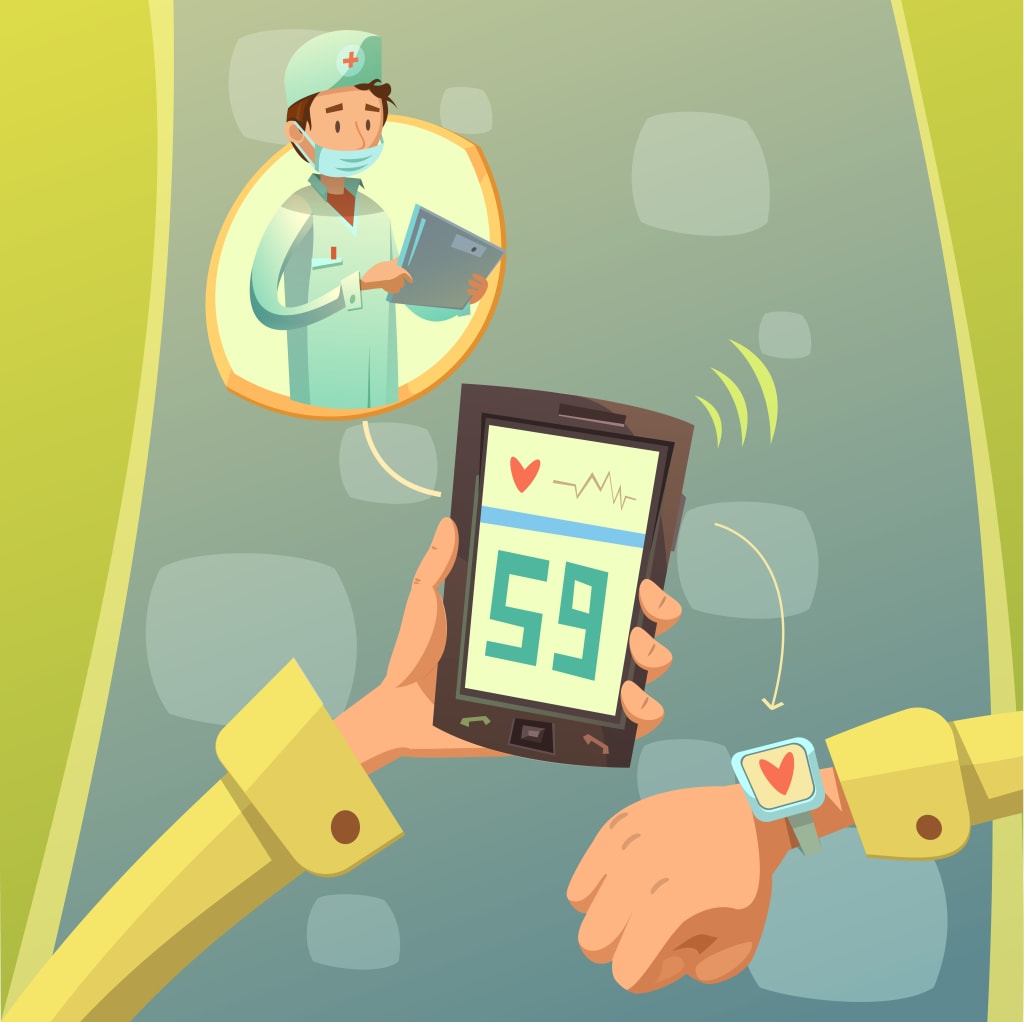
Access to quality healthcare has always been a significant challenge for rural communities worldwide. Limited medical infrastructure, shortage of specialists, and long travel distances often leave rural populations underserved. Enter Remote Patient Monitoring apps, a groundbreaking technological advancement that’s bridging the gap between rural residents and quality healthcare.
This blog explores how RPM apps are transforming rural healthcare by improving access, enhancing patient outcomes, and reducing healthcare costs.
The Challenges of Rural Healthcare
Rural areas face unique healthcare challenges, including:
Limited Access to Providers: Many rural communities lack sufficient healthcare facilities and specialists.
Transportation Barriers: Patients often have to travel long distances for consultations or follow-ups.
Higher Rates of Chronic Conditions: Rural populations often have higher rates of chronic illnesses like diabetes and hypertension.
Resource Constraints: Limited infrastructure and funding restrict the availability of advanced medical services.
These challenges contribute to delayed diagnoses, unmanaged conditions, and poorer health outcomes for rural residents. RPM apps, however, offer a transformative solution to these longstanding issues.
What Are Remote Patient Monitoring Apps?
RPM apps enable healthcare providers to monitor patients’ health remotely using digital tools. These apps integrate with wearable devices, sensors, and mobile technology to collect and transmit real-time patient data such as:
Heart rate
Blood pressure
Glucose levels
Oxygen saturation
Medication adherence
This data empowers healthcare providers to track patient progress, identify potential issues early, and intervene when necessary—all without the patient having to leave their home.
Key Benefits of RPM Apps in Rural Healthcare
1. Improved Access to Healthcare
One of the most significant advantages of RPM apps is their ability to connect patients with healthcare providers, regardless of location. In rural areas where specialists may be hours away, RPM apps allow patients to receive expert care remotely.
For example, a patient with hypertension can use a wearable device to track their blood pressure and send the data to their doctor through an RPM app. The doctor can review the data and provide recommendations without the patient needing to travel.
2. Early Detection and Prevention of Chronic Diseases
Rural communities often struggle with chronic disease management due to limited healthcare access. RPM apps enable continuous monitoring, which helps identify early warning signs of complications. For instance:
Patients with diabetes can use RPM apps integrated with glucometers to track glucose levels.
Alerts can be set for abnormal readings, prompting immediate medical intervention.
By addressing potential health issues early, RPM apps help prevent hospitalizations and improve long-term outcomes.
3. Reducing Travel Burdens
For rural residents, traveling to healthcare facilities can be time-consuming and expensive. RPM apps eliminate the need for frequent in-person visits by enabling virtual consultations and real-time data sharing. This is particularly valuable for:
Elderly patients who may have mobility challenges.
Parents managing the healthcare needs of their children.
Patients in remote areas with limited transportation options.
4. Enhancing Patient Engagement
RPM apps empower patients to take a more active role in their health. By providing real-time feedback and insights, these apps encourage patients to:
Monitor their health metrics regularly.
Adhere to treatment plans.
Communicate more effectively with their healthcare providers.
Engaged patients are more likely to follow medical advice, leading to better health outcomes.
5. Cost Savings for Patients and Providers
RPM apps reduce the financial burden on rural patients by cutting down on travel expenses and minimizing hospital admissions. For healthcare providers, RPM technology:
Lowers operational costs by reducing in-person consultations.
Improves efficiency by enabling remote care for more patients simultaneously.
A study by the American Heart Association found that RPM technology could save up to $120 billion annually in U.S. healthcare costs by improving chronic disease management.
Real-World Use Cases of RPM Apps in Rural Healthcare
Case Study 1: Managing Cardiovascular Diseases
A rural clinic implemented an RPM app for patients with cardiovascular conditions. The app synced with wearable heart monitors, allowing doctors to track patients’ vitals remotely. This led to a 30% reduction in emergency room visits and improved patient satisfaction.
Case Study 2: Diabetes Management
In a farming community, RPM apps integrated with glucometers helped diabetic patients manage their glucose levels. Alerts for abnormal readings allowed healthcare providers to intervene early, reducing complications and improving health outcomes.
Case Study 3: Maternal Health
An RPM app designed for expectant mothers in rural areas enabled remote monitoring of vital signs and fetal health. This reduced the need for frequent clinic visits while ensuring timely medical attention for high-risk pregnancies.
Challenges in Implementing RPM Apps in Rural Areas
While the benefits of RPM apps are undeniable, implementing them in rural areas comes with challenges:
Limited Internet Connectivity: Many rural areas lack reliable broadband, which is critical for real-time data transmission.
Technology Adoption Barriers: Older patients or those unfamiliar with technology may struggle to use RPM apps effectively.
Cost of Devices: While RPM apps are cost-effective in the long run, the initial cost of devices can be a barrier for low-income patients.
Data Security Concerns: Ensuring the privacy and security of sensitive health data is essential, particularly for compliance with regulations like HIPAA.
Addressing these challenges requires investment in infrastructure, user-friendly app designs, and education for both patients and providers.
The Future of RPM Apps in Rural Healthcare
As technology continues to evolve, the potential for RPM apps in rural healthcare is limitless. Innovations such as:
Artificial Intelligence (AI): AI-powered RPM apps can predict health issues before they occur, enabling proactive care.
Wearable Technology: Advanced wearables will provide even more accurate and comprehensive health data.
5G Connectivity: Faster and more reliable internet will make RPM solutions accessible to even the most remote areas.
These advancements will further enhance the impact of RPM apps, making quality healthcare a reality for rural communities worldwide.
Conclusion
Remote Patient Monitoring apps are more than just a technological innovation—they are a lifeline for rural communities facing healthcare disparities. By improving access, reducing costs, and enabling early intervention, RPM apps are transforming how healthcare is delivered in underserved areas.
As healthcare providers and policymakers continue to embrace digital solutions, the widespread adoption of RPM apps has the potential to close the gap between rural and urban healthcare, ensuring that everyone, regardless of location, receives the care they deserve.
About the Creator
Larisa Albanians
Hey, a healthcare technology solutions provider at emorphis, that is helping organizations to deliver better healthcare solutions.
Keep reading
More stories from Larisa Albanians and writers in Writers and other communities.
10 Myths About AI in Healthcare That You Shouldn’t Believe
Artificial Intelligence (AI) has rapidly made its way into healthcare, transforming everything from diagnostics to patient engagement. However, with all the buzz comes a fair share of misconceptions. These myths not only obscure the true potential of AI but also lead to unwarranted fears and unrealistic expectations. Here, we’ll break down ten common myths about AI in healthcare to shed light on what AI can—and cannot—achieve in this industry.
By Larisa Albaniansabout a year ago in Writers
Average Cost of 2D Animation Outsourcing Projects
Outsourcing 2D animation allows businesses to create explainer videos, ads, onboarding content, and product demos without building an in-house team. In the US market, pricing varies based on animation style, complexity, and production scope.
By Leo Johnson6 days ago in Writers
So You Decided To Become a Nurse Practitioner:
So you decided to become an "Advanced Practice" nurse. Congratulations!... is what I would say if this was a good idea. Grad school? In this economy? What were you thinking? Likely it was something along the lines of either 1) “I've seen these other chucklefucks do it— Why can't I?” or even 2) “I've got a nice career, I should shake it up. I miss feeling like I have no clue what I'm doing.”
By Sandor Szabo3 days ago in Fiction


Comments
There are no comments for this story
Be the first to respond and start the conversation.