
10 Myths About AI in Healthcare That You Shouldn’t Believe
AI in Healthcare

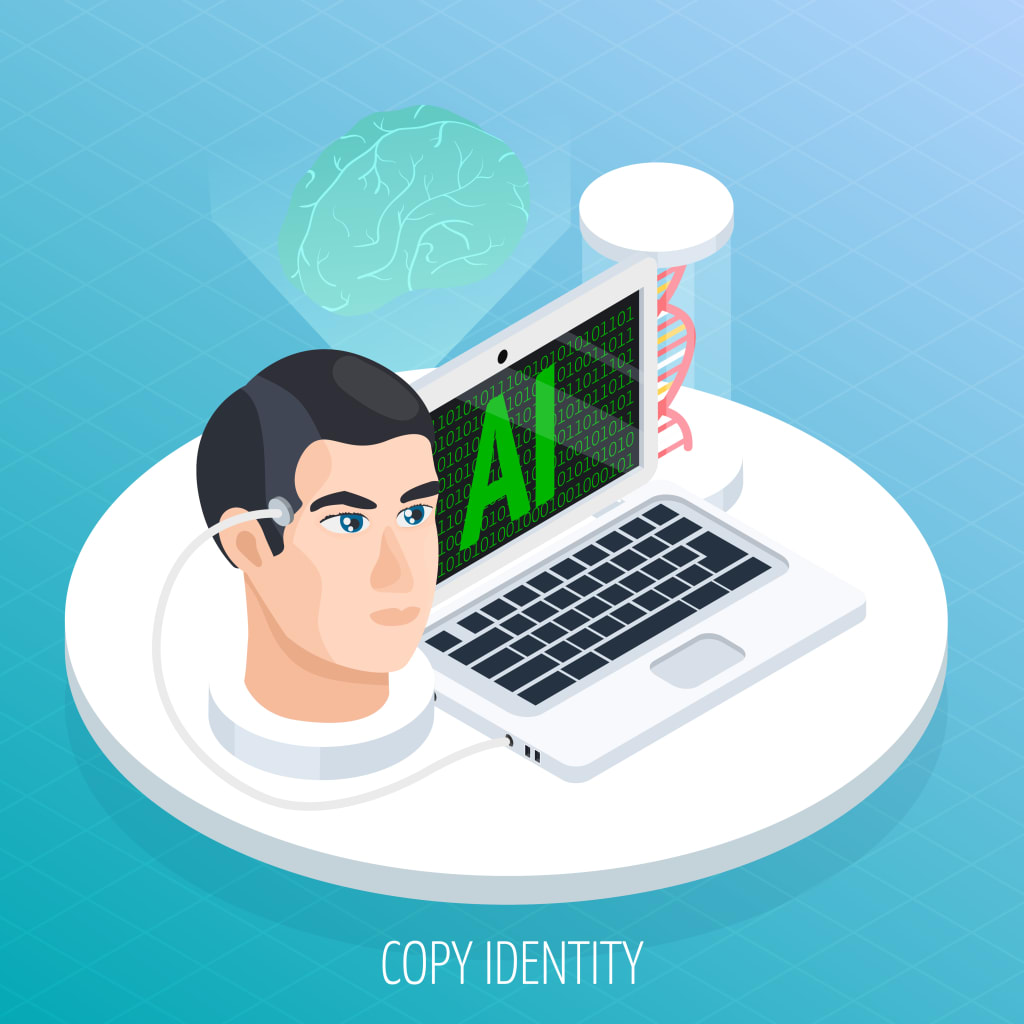
Artificial Intelligence (AI) has rapidly made its way into healthcare, transforming everything from diagnostics to patient engagement. However, with all the buzz comes a fair share of misconceptions. These myths not only obscure the true potential of AI but also lead to unwarranted fears and unrealistic expectations. Here, we’ll break down ten common myths about AI in healthcare to shed light on what AI can—and cannot—achieve in this industry.
1. Myth: AI Will Replace Doctors and Healthcare Professionals
Reality: AI is a tool, not a replacement. While AI can assist with diagnostics, data analysis, and predictive analytics, it cannot replicate the nuanced expertise, judgment, and empathy of a trained healthcare professional. Instead, AI is designed to enhance clinicians’ abilities by automating routine tasks, helping with data interpretation, and providing decision support. Think of AI as a valuable assistant that helps doctors work more efficiently, not as a replacement for human judgment and interaction.
2. Myth: AI in Healthcare Is Only for Big Hospitals and Research Centers
Reality: AI isn’t just for large institutions; it’s becoming increasingly accessible to smaller clinics and practices. Cloud-based AI solutions and scalable tools allow smaller healthcare providers to leverage AI-driven insights without requiring vast infrastructure investments. Many AI applications, like telemedicine platforms and automated appointment scheduling, are specifically designed for small to mid-sized practices, making AI’s benefits accessible to providers across the healthcare spectrum.
3. Myth: AI Is Always 100% Accurate
Reality: While AI models can achieve impressive accuracy levels, they are not infallible. AI systems are only as good as the data they are trained on, which means biases or gaps in data can impact results. For example, an AI diagnostic tool trained primarily on data from one population group may struggle to make accurate predictions for a different demographic. AI can certainly enhance accuracy in diagnostics and predictions, but it’s not a magic bullet, and human oversight is still essential.
4. Myth: AI in Healthcare Poses a Major Threat to Patient Privacy
Reality: Patient privacy is indeed a critical concern, but AI doesn’t inherently pose more risk than other digital tools. In fact, AI solutions in healthcare are developed with robust security measures to ensure compliance with regulations like HIPAA. Secure data handling, encryption, and anonymization are key components of AI implementation in healthcare, helping to protect patient information while still allowing data to be used for valuable insights.
5. Myth: AI in Healthcare Is Just for Data Analysis and Diagnostics
Reality: While AI excels in data analysis and diagnostics, its applications extend far beyond. AI can enhance patient engagement through chatbots, streamline administrative tasks, assist in drug discovery, and even personalize treatment plans based on individual patient profiles. AI’s versatility makes it valuable in almost every aspect of healthcare, from clinical applications to operational efficiencies.
6. Myth: Implementing AI in Healthcare Is Too Expensive
Reality: While AI implementation can involve an initial investment, costs are becoming increasingly manageable as more scalable, cloud-based solutions emerge. The long-term savings from operational efficiencies, improved patient outcomes, and optimized resource allocation often offset the initial expenses. Additionally, many vendors offer modular AI tools that allow healthcare organizations to start small, proving the value before expanding to more comprehensive solutions.
7. Myth: AI Will Take Over Healthcare Jobs
Reality: AI may change certain roles and responsibilities, but it’s unlikely to lead to widespread job losses in healthcare. Instead, AI automates repetitive, low-value tasks, allowing healthcare professionals to focus on higher-value activities like patient interaction and complex decision-making. In many cases, AI creates new opportunities for healthcare workers to develop skills in AI-assisted tools and opens up new roles in fields like data science, AI management, and telemedicine.
8. Myth: AI Can Learn and Improve On Its Own
Reality: While some AI systems have self-learning capabilities, they still require oversight, monitoring, and continuous data input to function effectively. In healthcare, where new research, treatments, and patient data are constantly evolving, AI systems need regular updates and human intervention to stay relevant and accurate. Left on their own, AI systems can become outdated or even dangerous if not aligned with the latest medical standards.
9. Myth: AI Can Diagnose Patients Without Any Human Input
Reality: Although AI can analyze data, flag potential issues, and even suggest diagnoses, human oversight remains crucial. Diagnosis involves more than just analyzing data points; it requires contextual understanding, clinical experience, and empathy—all things that AI currently lacks. AI is an excellent tool for assisting with diagnosis, but the final decisions should always be in the hands of trained healthcare professionals who can interpret AI recommendations within a broader clinical context.
10. Myth: AI Is Only Useful in Advanced Medical Fields
Reality: AI’s impact goes beyond specialized fields and advanced research; it’s also transforming everyday healthcare. AI is being used to streamline administrative tasks like patient scheduling, billing, and records management, which improves overall efficiency and reduces burnout among healthcare staff. Whether it’s a family clinic, an emergency room, or a large research hospital, AI applications can be adapted to benefit all types of healthcare settings, making routine tasks easier, faster, and more accurate.
Final Thoughts
The world of AI in healthcare is vast, promising, and often misunderstood. By debunking these myths, we can see AI for what it truly is: a powerful tool that, when used wisely, can complement human expertise, enhance patient care, and streamline healthcare operations. However, AI is not a panacea or a replacement for skilled healthcare professionals; it’s a supportive technology that has the potential to make healthcare more accessible, accurate, and efficient.
As AI continues to evolve, the key to successful integration lies in a balanced approach—embracing its capabilities while remaining mindful of its limitations. By working alongside healthcare providers, AI can help us create a future where high-quality, patient-centered care is the standard. So let’s put these myths to rest and focus on leveraging AI to truly transform healthcare for the better.
Explore more details on Debunking the Myths of Artificial Intelligence in Healthcare
About the Creator
Larisa Albanians
Hey, a healthcare technology solutions provider at emorphis, that is helping organizations to deliver better healthcare solutions.
Keep reading
More stories from Larisa Albanians and writers in Writers and other communities.
What are the Healthcare App Development Requirements?
The healthcare industry has seen an explosion in the development of mobile health (mHealth) apps, driven by the demand for improved patient care, increased access to medical services, and efficient management of healthcare data. However, developing a healthcare app is a complex process that requires careful planning, regulatory compliance, and a deep understanding of the healthcare ecosystem. In this blog, we will explore the key requirements and considerations for healthcare app development, guiding you through each phase of the process.
By Larisa Albaniansabout a year ago in Writers



Comments
There are no comments for this story
Be the first to respond and start the conversation.