
How Old is Padmanabhaswamy Temple?
Unraveling Its Ancient Legacy

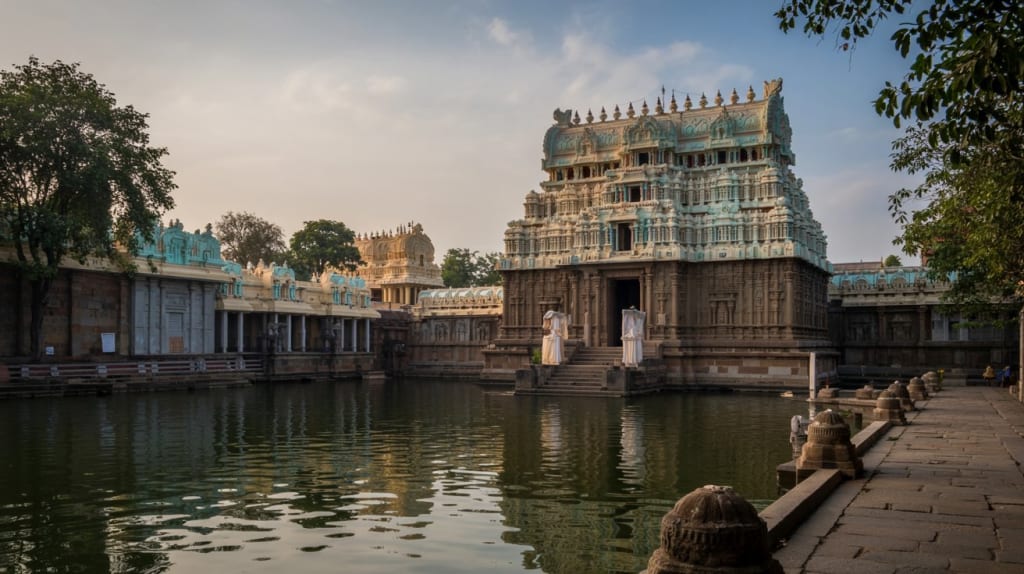
The Padmanabhaswamy Temple, located in Thiruvananthapuram, Kerala, is one of the oldest and wealthiest temples in India. Dedicated to Lord Vishnu, this temple has captivated historians, archaeologists, and devotees with its grandeur and mystery. But just how old is the Padmanabhaswamy Temple? This question has intrigued many due to its ancient references in historical records and religious texts. In this blog, we will explore the origins, historical evidence, and architectural timeline of this iconic temple.
Ancient References: How Old is the Padmanabhaswamy Temple?
Mention in Hindu Scriptures
The Padmanabhaswamy Temple finds mention in ancient Hindu scriptures, particularly in the Puranas and epic texts such as the Mahabharata. According to legend, the temple was consecrated thousands of years ago by sages who followed the teachings of Lord Vishnu. The Skanda Purana and Padma Purana also reference a temple dedicated to Lord Vishnu in this region, which supports its antiquity.
Connection to the Sangam Period (300 BCE - 300 CE)
Many historians believe that the temple dates back to the Sangam period (around 300 BCE - 300 CE). This theory is supported by Tamil literary works that mention the worship of Lord Vishnu in the region, which aligns with the historical presence of the temple.
Anantapuram: The Early Formation
The temple is believed to have existed in some form as early as the 8th century CE. The name Thiruvananthapuram itself means “The City of Lord Anantha,” referring to Anantha Padmanabha, the presiding deity of the temple. This suggests that the city and the temple have been intertwined for over 1,000 years.
Architectural Evolution Over the Centuries
The structure we see today is the result of multiple renovations and expansions carried out by various ruling dynasties.
The Chera Dynasty’s Influence (8th - 10th Century CE)
During the Chera Dynasty, the temple began taking its grand architectural form. Evidence suggests that early rulers of Kerala made significant contributions to its development. However, much of the temple’s Dravidian-style architecture was later enhanced by the Travancore kings.
Major Renovations by Travancore Kings (16th - 18th Century CE)
The temple gained prominence under the Travancore rulers, especially during the reign of Marthanda Varma (1706-1758 CE). He is credited with reconstructing the temple and establishing it as the spiritual center of Travancore. Marthanda Varma even dedicated the kingdom of Travancore to Lord Padmanabha, ruling as His servant (Padmanabha Dasa), which marked a significant moment in history.
The Mysterious Vaults and Historical Secrets
One of the most astonishing aspects of the temple’s history is the discovery of its hidden underground vaults. In 2011, the Supreme Court of India ordered an inventory of the temple’s treasures. Vault B, which remains unopened due to religious beliefs, has sparked theories of ancient wealth and secrets dating back thousands of years. The presence of such immense riches suggests that the temple has been a place of continuous patronage and worship for millennia.
Conclusion: A Temple with a Timeless Legacy
So, how old is the Padmanabhaswamy Temple? While the exact date of its origin remains uncertain, historical records, scriptures, and architectural evidence suggest that it is over 1,000 years old, with possible roots extending back more than 2,000 years. The temple continues to be a beacon of spirituality, history, and cultural heritage, making it one of the most remarkable religious sites in the world.
Whether you visit for its religious significance, architectural beauty, or historical intrigue, the Padmanabhaswamy Temple remains an enduring symbol of India’s rich past.
Read More on : The Kerala Temple Festival
About the Creator
Sujit Kumar
Welcome to “Blogs Historical,” where the past comes alive through the power of storytelling. Delve into the annals of history with us as we explore captivating narratives, intriguing anecdotes, and insightful analyses of the events,
Keep reading
More stories from Sujit Kumar and writers in Writers and other communities.
When Was Padmanabhaswamy Temple Built?
Introduction Padmanabhaswamy Temple, one of the most revered Hindu temples, is renowned for its architectural grandeur and immense spiritual significance. Located in Thiruvananthapuram, Kerala, this temple is dedicated to Lord Vishnu and holds the title of the richest temple in the world due to its hidden treasures. But when was the Padmanabhaswamy Temple built? Let’s explore its fascinating history, architectural evolution, and cultural importance.
By Sujit Kumar10 months ago in Writers
Kael Claxton Offers Strategic Insight for Residential Property Decisions
Buying or selling a home ranks among life's most significant financial decisions. Yet many people approach residential property transactions with more emotion than strategy, leading to costly mistakes and missed opportunities. Understanding how to make informed, strategic property decisions can mean the difference between building wealth and facing financial regret.
By Christopher Campos6 days ago in Writers


Comments
There are no comments for this story
Be the first to respond and start the conversation.