
How Local Events Can Shape Lifelong Readers
Why community book events—and the stories they spotlight—play a vital role in nurturing young Filipino readers.

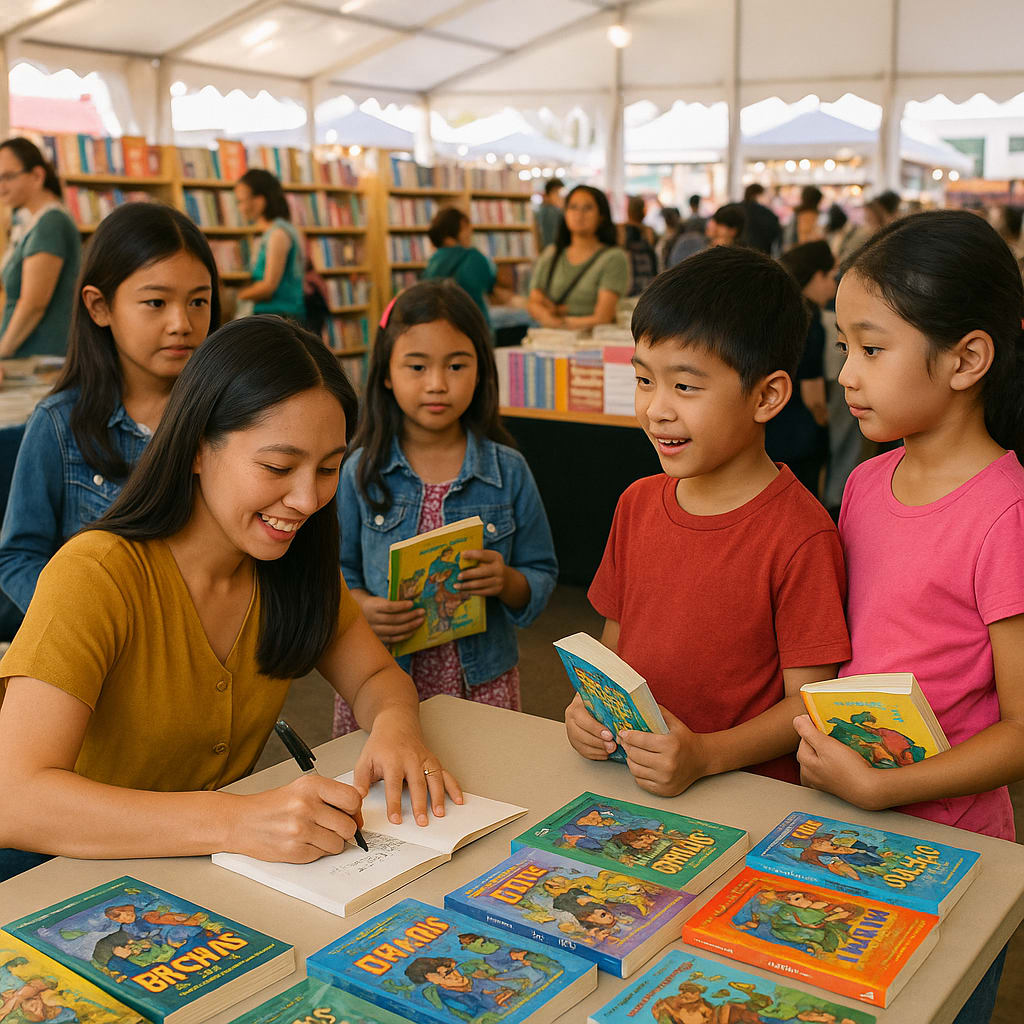
In neighborhoods big and small, a curious kind of magic happens when local events bring books into the public square. Whether it's a weekend book fair, a library-hosted author talk, or a street corner storytelling session, these gatherings do more than fill schedules—they spark something foundational. They transform reading from a solitary act into a shared experience, especially for young minds learning how stories can shape their view of the world. For many children, community events become the gateway into reading as a lifelong habit.
Book Fairs, Festivals, and Childhood Memory
Book fairs have long held a nostalgic place in memory. For kids, especially in their formative years, entering a book festival can feel like walking into a real-life wonderland. The bright tents, the rows of illustrated covers, the scent of freshly printed pages—each detail creates a sensory experience that ties reading to joy and adventure.
In places like Manila, Cebu, and even smaller municipalities, weekend book bazaars offer exposure to a diverse array of voices, including rising voices in regional literature. At the heart of these spaces are Filipino middle grade books—those designed for readers aged 8 to 12, a group especially sensitive to how identity and imagination are reflected in what they read.
Take, for example, the novel Gimo Jr. and the Aswang Clan. Rooted in folklore, the book introduces young readers to a world both familiar and fantastical. Encountering such stories in a public setting—with peers excitedly flipping pages or lining up to get a copy signed—cements reading as something to be celebrated, not assigned.
Interactive Encounters and Author Accessibility
What makes these events so memorable is the intimacy they create between readers and creators. When a young reader meets the person behind the book, the page becomes more than ink—it becomes personal. Children ask questions, laugh at anecdotes, and feel seen when they recognize themselves in a story.
Interactive author events—like signings, panels, and workshops—bridge the gap between curiosity and connection. At these gatherings, it’s not uncommon to see a Filipino middle grade author explain the inspiration behind a character’s name, or talk about growing up in a household where Tagalog idioms were bedtime stories. These details humanize the writing process and invite kids to see themselves not just as readers, but as potential storytellers.
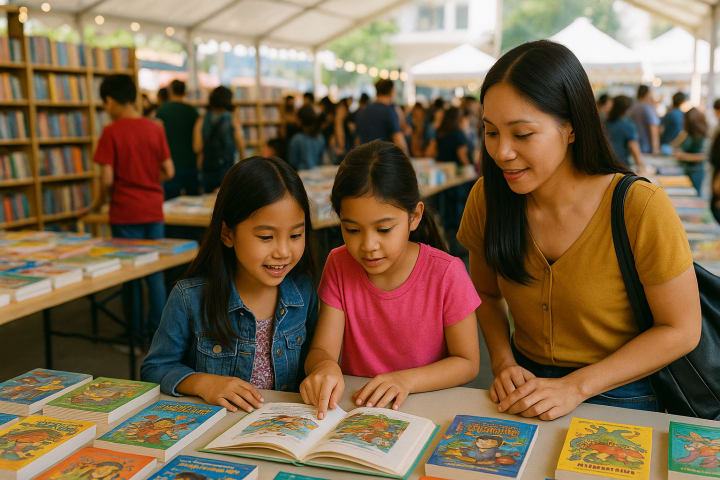
Examples of Grassroots Literacy Building
While large-scale fairs have wide reach, smaller grassroots events are often where transformation truly begins. Local libraries, barangay halls, and school gyms serve as venues for reading circles and storytime sessions. These community-driven efforts often rely on volunteers, local educators, and passionate parents who understand the role early literacy plays in social development.
In Quezon City, a monthly “Basahan sa Park” event gathers families for communal reading sessions under the trees. In Davao, a mobile book caravan visits rural schools with crates of Filipino middle grade books, giving children access to titles they’ve never seen before. Many of these events are supported not by institutions, but by everyday citizens who believe in the democratization of books.
The presence of titles written by Filipino middle grade authors at these events ensures that the children reading them see their realities mirrored in literature. When a child finds a book where the protagonist eats the same merienda or calls their grandmother “Lola,” that simple recognition fosters belonging.
The Lasting Impact of Early Book Culture
Research continues to show that children who grow up in book-rich environments are more likely to perform well academically and cultivate empathy. But beyond statistics, it’s the stories themselves—and the way they’re introduced—that leave enduring marks.
A child who met their favorite author at a town fair is more likely to keep reading, keep asking questions, and keep exploring ideas. A middle grader who laughed with friends at a puppet reading of a local legend may later seek out more folktales. These early literary memories are sticky; they attach reading to comfort, excitement, and a sense of community.
Crucially, these early connections are most effective when the books available reflect the readers themselves. Filipino middle grade books serve this function with elegance. They affirm identities while also expanding them. They show that magic can live in barangay streets just as easily as it does in castles.
Conclusion: The Power of the Local
In an age where global content is just a tap away, there’s still unmatched power in local experiences. Community events do more than put books into hands—they animate them. They turn authors into neighbors and stories into shared history. For children growing up in cities, towns, or provinces across the Philippines, these moments offer more than entertainment. They offer validation, possibility, and a lifelong relationship with reading.
Literacy doesn’t start with syllables—it starts with wonder. And nothing delivers that better than a child’s first book fair, a well-worn copy of a Filipino middle grade book, or a surprise encounter with a Filipino middle grade author who tells them, “Your story matters too.”
About the Creator
Maxine Dela Cruz
Maxine Dela Cruz is a storyteller who writes about culture, events, and youth media. Her work captures how books, traditions, and collaborations influence how we grow up and who we become.
Keep reading
More stories from Maxine Dela Cruz and writers in Writers and other communities.
How a Viral Collab Changed the Way We Reach Non-Readers
Not All Readers Start with Books Not every reader begins with a page. Some start with a video. Others, with a meme. For an entire generation raised on TikTok humor and YouTube deep-dives, reading isn't always the first instinct—it’s the afterthought, if at all. But what if stories could meet young audiences where they already are?
By Maxine Dela Cruz8 months ago in Writers
It's Winter
Anne Bernays and Pamela Painter — What If? Writing Exercise for Fiction Writers prompts The Exercise —Write a scene involving two characters. Have the point-of-view character presume something entirely different about the situation from what the other character's overt behavior seems to imply. For example, a landlord comes to visit, and the tenant suspects that it isn't a visit but an inspection. Make up several situations in which one character can fantasize or project or suspect or even fear what another character is thinking. The Objective - To show how your characters can use their imaginations to interpret the behavior and dialogue of other characters.
By Denise E Lindquist19 days ago in Writers


Comments (1)
Local book events are great. They turn reading into a shared joy, like at those Manila fairs.