
How DMV Driver’s Education Prepares Teens for Safe Driving
DMV Driver's Education

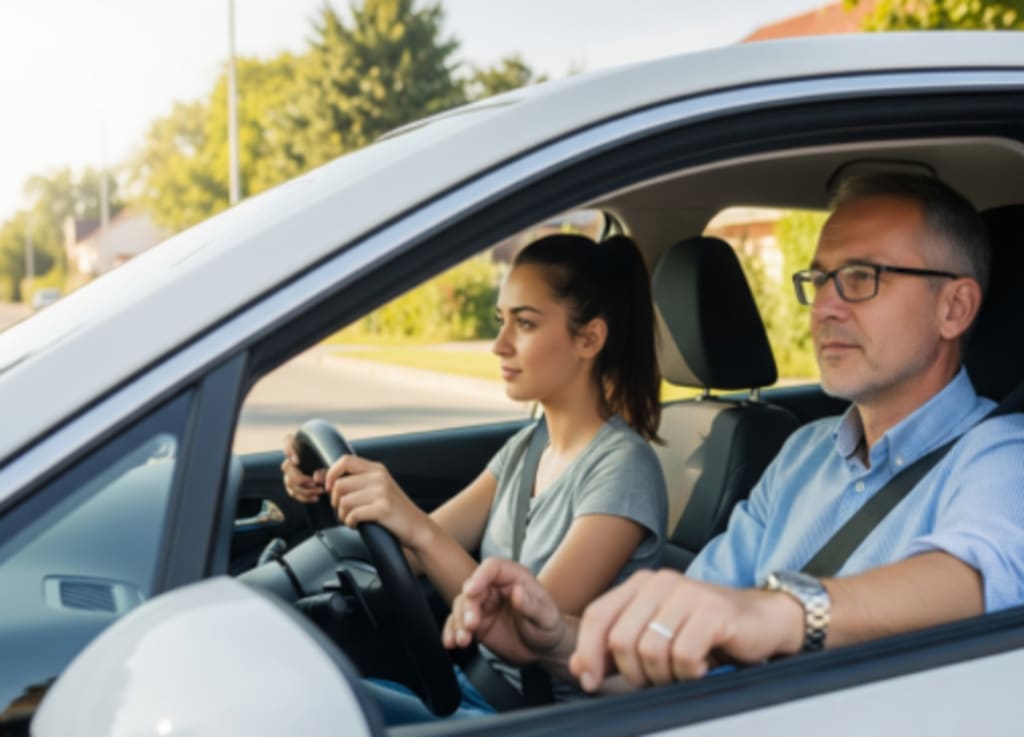
Getting a driver’s license is an exciting milestone for teens, but it also comes with significant responsibilities. Learning to drive safely requires more than just getting behind the wheel—it involves understanding traffic laws, developing defensive driving skills, and building confidence.
DMV-approved driver's education programs are specifically designed to prepare teens for these challenges. Here’s how DMV driver's education helps teens become safe, responsible drivers.
1. Comprehensive Classroom Instruction
DMV driver's education programs provide structured classroom lessons that cover the rules of the road, traffic signs, and California-specific laws. Teens learn about speed limits, right-of-way rules, school zones, and pedestrian safety, among other topics.
Classroom instruction ensures that teens gain a solid theoretical understanding of safe driving practices before they ever get behind the wheel. This knowledge forms the foundation for practical driving lessons and helps teens make informed decisions on the road.
2. Preparation for the Written Permit Test
Before taking behind-the-wheel lessons, teens must pass the DMV written permit test. Driver's education courses focus on preparing students for this exam by offering study guides, sample questions, and practice tests.
By familiarizing teens with the format and content of the permit test, DMV education programs increase the chances of passing on the first try. Passing the permit test is an important confidence booster and a necessary step toward getting a license.
3. Behind-the-Wheel Training With Professional Instructors
DMV driver's education programs combine classroom learning with hands-on driving experience. Teens practice essential skills such as steering, parking, lane changes, turning, and highway driving under the supervision of certified instructors.
Professional guidance ensures that teens learn proper techniques from the beginning. Instructors provide immediate feedback, correct mistakes, and teach safe habits that will last a lifetime.
4. Focus on Defensive Driving
Defensive driving is a key component of DMV driver's education. Teens are taught to anticipate potential hazards, maintain safe following distances, and remain aware of other drivers, pedestrians, and road conditions.
By learning defensive driving early, teens are better prepared to handle unexpected situations safely. This reduces the risk of accidents and promotes responsible decision-making behind the wheel.
5. Emphasis on Safe Driving Habits
DMV programs don’t just teach teens how to operate a vehicle—they teach them how to become responsible drivers. Teens learn about the dangers of distracted driving, driving under the influence, and aggressive behaviors.
By understanding the consequences of unsafe driving and practicing positive habits, teens develop a mindset focused on safety. These habits form the foundation for lifelong responsible driving.
6. Gradual Exposure to Real-World Driving Situations
DMV driver's education programs introduce teens to increasingly complex driving environments. Students start in low-traffic areas and gradually progress to busier streets, highways, and night driving.
This structured approach helps teens build confidence while learning to handle real-world situations safely. Gradual exposure reduces anxiety and ensures that teens are ready for independent driving once they receive their license.
7. Building Confidence and Responsibility
Confidence is as important as skill when learning to drive. DMV driver's education programs provide a supportive learning environment that encourages teens to ask questions, practice repeatedly, and gain self-assurance behind the wheel.
By combining knowledge, practical experience, and safe driving habits, teens develop both confidence and responsibility, preparing them to navigate roads safely on their own.
Conclusion
DMV driver's education programs are designed to give teens the knowledge, skills, and confidence they need to become safe and responsible drivers. From comprehensive classroom instruction and permit test preparation to behind-the-wheel training and defensive driving education, these programs provide a complete learning experience.
By participating in DMV driver's education, teens not only increase their chances of passing the license test but also develop lifelong safe driving habits. Proper training today ensures a safer, more confident driving future for every teen.
Read more: vocal.media
About the Creator
Becca lynch
Becca Lynch, passionate about construction, work wear, and safety tips, shares insights to help professionals stay safe and stylish on the job. Join her for expert advice and industry updates.
Keep reading
More stories from Becca lynch and writers in Writers and other communities.
Early March 2026: 4 Goals Accomplished
It's early March and I've now accomplished my 4th writing goal for the year of 2026. Before diving into the behind-the-scenes of it... why not tell you up front what that accomplishment was? I was published in a 2nd publication for this year. Published in Helix Literary Magazine out of Central Connecticut State University. You can read it for free right now!
By Stephen Kramer Avitabile5 days ago in Writers
The Post-Heat Murderer Imprisoned by the Shackles of Love
Prologue It was a dense, dark night. The street lamps on the deserted, cobblestone paths flickered dimly. From a distance, the sounds of the factories that were still awake moaned like a low wail. The wind, arriving in waves like a screaming army, swallowed that moaning sound entirely.
By Chanaka Praveena day ago in Writers




Comments
There are no comments for this story
Be the first to respond and start the conversation.