
How Can Targeted Marketing Transform Your Book's Sales?
Maximizing Impact: Precision Strategies to Boost Your Book's Reach and Revenue

Targeted marketing is key since it allows authors and publishers to increase professional book sales and visibility. With the proper understanding of the strategies necessary for implementing targeted marketing, business resources would now be aimed only at the particular market segments with the highest chances of buying the book thus saving on the marketing budget and improving sales further.
Understanding Targeted Marketing
Marketing defined in marketing textbooks always speaks about ‘the mass market’, however, there is always a mass in millions of different types of people and it often does not fit. That's why targeted marketing helps identify specific segments, representatives, or social status, and offers a product to those who are most likely to buy it.
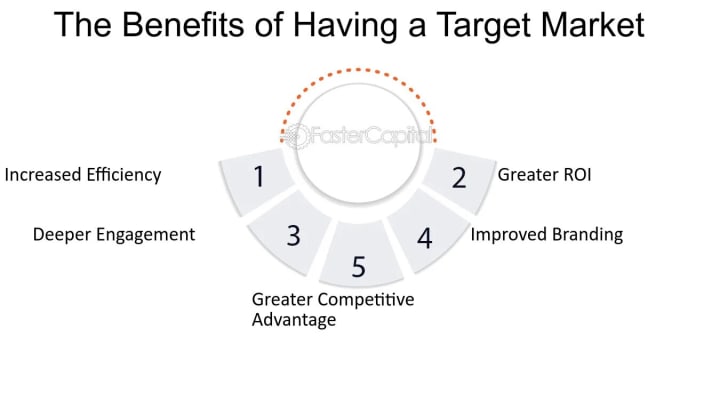
Benefits of Targeted Marketing
Auditory focus: In many cases, this is the key to the success of your advertisement. The core idea is to reach out to the right reader for your book. For example, marketing for a young adult series to adolescents on social media platforms, would work great as opposed to using ‘non-targeted’ methods.
Cost Efficiency: Concentrating on the people who are likely to connect with the product will guarantee a better bang for the marketing bucks. When you do not have to spend too much on the outreach, as the campaign is already targeted.
Better Customer Relationships: Customized marketing engagements are useful in enhancing interaction with the target audience. Communicating in a one-on-one manner enhances patronage and can cause readers to become advocates of the brand.
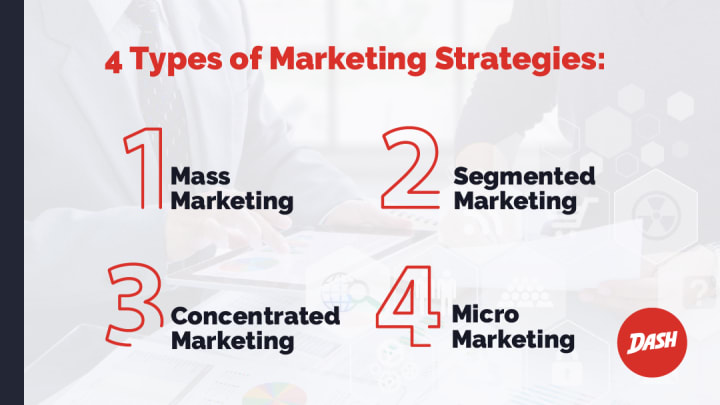
Strategies for Targeted Marketing
Audience Segmentation: The reader population can be subdivided into specific groups based on geographics, psychographics, and or interests. For example, a book on vegan cookery will find its target audience among the vegan/ vegetarian community and those interested in cookery.
Utilize Data Analytics: Make use of social networking and web analytic data to learn where the prospective readers are on the internet, the type of content they interacted with, and their conceivable buying pattern.
Content Marketing: Product content must always satisfy the needs of potential buyers of the goods and services produced by the business. For instance, in marketing a historical fiction book, it might be a good idea to write a blog about the historical aspects of the book’s location or make videos about the culture of the time.
Social Media Targeting: Utilize social media platforms’ targeting tools and display ads to people who are active and interested in genres similar to yours. For instance, someone can find their perfect audience with Facebook’s targeting options, which allow for age along with many other interest.
Email Marketing: Create an email list of your readers’ addresses and send out messages to them with the relevant content. This is the best way of making announcements about new releases and events, or sharing something special with your readers.
Partnerships and Collaborations: Collaborate with bloggers, other writers, or influencers with a common audience. This basically allows you to reach out to their fan base, thus allowing you to be more visible.
Conclusion
Targeted marketing is more than just looking for an audience; it is ensuring ‘who, when, and how’ with regards to reaching the right kind of audience. By concentrating your attempts on readers that are most likely to appreciate and buy your book, you not only economize on your marketing expenditure but also create advantageous conditions for your book’s success, which helps it stand out in a competitive environment. These are also the types of strategies that can increase your sales because sticking to the strategies together with a clear definition of the target audience is what is going to make your book stand out in the literature.
About the Creator
Diane L. Richardson
Author
Keep reading
More stories from Diane L. Richardson and writers in Writers and other communities.
Budgeting for Professional Editing Services – Writers and Publishers First Show Your Hand
In most cases, professional editing is vitally important in the process of preparing books, articles, or business documents, etc. Unfortunately, however, many writers and publishers design most budgets for their works, but few account for the cost of professional editing. Here is an easy way to comprehend the costs and plan your finances accordingly, step by step.
By Diane L. Richardsonabout a year ago in Writers



Comments
There are no comments for this story
Be the first to respond and start the conversation.